Key Points
- Labour councillors in Lambeth have launched a petition rebelling against London Mayor Sir Sadiq Khan’s policing cuts, which have led to the closure of police station front desks.
- The cuts mean only two London police stations will maintain 24-hour front desks, breaching Sir Sadiq Khan’s 2024 re-election pledge to keep a 24-hour counter open in every borough.
- Sir Sadiq Khan’s manifesto explicitly stated: ‘I’ll continue to ensure the Met is able to effectively respond to the public, including maintaining a 24-hour police front office counter in every borough.’
- In October, the Metropolitan Police (Met) agreed a plan to address a £260 million budget shortfall by axing 18 police station front desks entirely and retaining just 20, of which only two will stay open 24 hours.
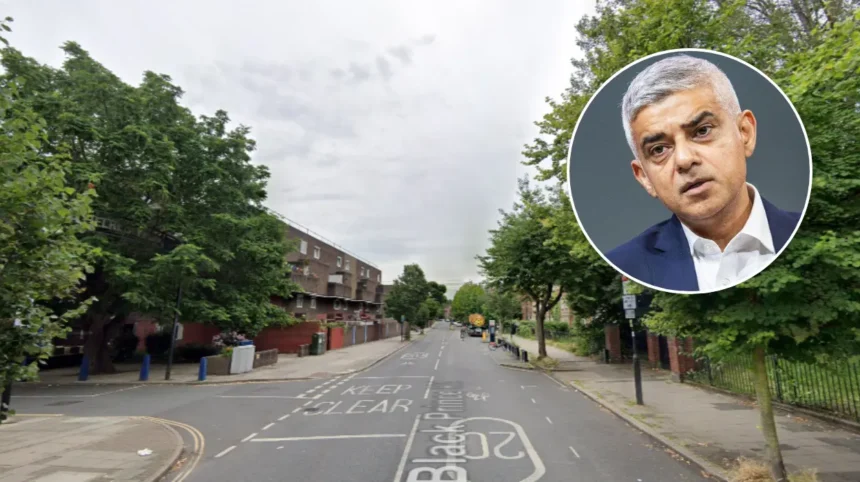
- Lambeth Labour group initiated the petition specifically to save Brixton Police Station’s front desk, describing it as ‘vital in keeping our borough safe’.
- The councillors criticised the Met’s decision as sending the ‘wrong message’ and claimed it was made ‘without proper consultation with residents, the council or local stakeholders’.
- Under the Met’s new plans, Brixton Police Station’s front desk would operate from 10am to 10pm Monday to Friday and 9am to 7pm on weekends, rather than 24 hours.
Lambeth, London (South London News) February 17, 2026 – Labour councillors in Lambeth have openly rebelled against London Mayor Sir Sadiq Khan’s policing cuts, following the collapse of his pledge to maintain 24-hour police station front desks across every borough. The move comes after the Metropolitan Police implemented drastic reductions, leaving just two stations with round-the-clock public counters. Local leaders argue this undermines public safety and ignores community input.
- Key Points
- What Sparked the Labour Councillors’ Rebellion?
- Why Did Sadiq Khan Pledge 24-Hour Counters?
- What Changes Did the Met Implement in October?
- How Does This Breach Sadiq Khan’s Manifesto?
- What Criticisms Have Lambeth Councillors Raised?
- Which Police Stations Will Keep 24-Hour Front Desks?
- What Is the Background to the Met’s Budget Shortfall?
- Who Are the Key Figures in This Dispute?
- What Impact Could the Petition Have?
- Why Is Brixton Police Station Vital to Lambeth?
- How Does This Fit Into Wider Policing Debates?
- What Happens Next for London Police Front Desks?
What Sparked the Labour Councillors’ Rebellion?
Labour councillors in Lambeth took decisive action by starting a petition to preserve Brixton Police Station’s front desk. As reported in the Daily Mail, the group highlighted its importance, stating it was ‘vital in keeping our borough safe’. This rebellion directly challenges the cuts imposed by the Mayor’s office at City Hall, which have drastically reduced accessible police services.
The petition emerged in response to the broader fallout from the Met’s budget-balancing measures. Councillors expressed frustration over the limited hours proposed for Brixton, which would restrict operations to 10am to 10pm on weekdays and 9am to 7pm on weekends. They contended that such changes fail to meet the needs of residents requiring urgent assistance at any time.
Why Did Sadiq Khan Pledge 24-Hour Counters?
During his second re-election campaign in 2024, Sir Sadiq Khan made a clear commitment on policing accessibility. His manifesto promised: ‘I’ll continue to ensure the Met is able to effectively respond to the public, including maintaining a 24-hour police front office counter in every borough.’ This pledge aimed to reassure voters amid ongoing concerns about crime and police visibility in the capital.
Supporters of the Mayor argued at the time that sustained front desk operations were essential for community trust in the Metropolitan Police. The commitment formed a cornerstone of his platform, positioning him as a champion of public safety. However, recent developments have cast doubt on the feasibility of this promise.
What Changes Did the Met Implement in October?
In October, the Metropolitan Police finalised a new plan to tackle a £260 million budget shortfall. This agreement resulted in the complete axing of 18 police station front desks across London, with only 20 remaining operational. Crucially, just two of these would retain 24-hour access, a sharp departure from previous arrangements.
The Daily Mail detailed how this money-saving strategy prioritised financial stability over full public access. Front desks, once a staple for reporting crimes and seeking immediate help, now face severe limitations in most locations. The Met’s leadership defended the cuts as necessary to avoid deeper operational impacts, such as staff reductions.
How Does This Breach Sadiq Khan’s Manifesto?
The reduction to only two 24-hour counters directly contravenes Sir Sadiq Khan’s manifesto pledge for every borough. Lambeth councillors pointed out this discrepancy, labelling the outcome as a broken promise from City Hall. The Mayor’s office has overseen the funding allocations that enabled the Met’s plan, tying the cuts to broader budget constraints.
Critics within the Labour Party argue that the pledge’s collapse erodes voter confidence. The manifesto language was unequivocal, emphasising continuity in police responsiveness. With boroughs like Lambeth now facing restricted hours, the rebellion underscores growing internal dissent against the Mayor’s policing strategy.
What Criticisms Have Lambeth Councillors Raised?
Lambeth’s Labour group has been vocal in their disapproval. They described the Met’s decision as sending the ‘wrong message’ to the public on safety priorities. Furthermore, they accused the force of proceeding ‘without proper consultation with residents, the council or local stakeholders’.
As per the Daily Mail coverage, the petition specifically targets Brixton Police Station, a key community hub. Councillors emphasised that reduced hours could deter vulnerable residents from reporting issues promptly. This lack of consultation has fuelled perceptions of top-down decision-making detached from local realities.
Which Police Stations Will Keep 24-Hour Front Desks?
Under the new Met plan, only two police stations in London will maintain 24-hour front desks. Specific identities were highlighted in the Daily Mail gallery on the Met’s savings plan, though broader reports confirm the scarcity. The remaining 20 counters will operate on limited schedules, exacerbating access issues for most residents.
This minimal provision falls far short of the per-borough guarantee pledged by Sir Sadiq Khan. Lambeth’s focus on Brixton illustrates how individual stations bear the brunt, with weekend closures particularly contentious. The Met’s strategy aims to redirect resources, but councillors warn it risks isolating communities.
What Is the Background to the Met’s Budget Shortfall?
The Metropolitan Police faced a pressing £260 million deficit, prompting the front desk closures. This financial strain stems from rising operational costs and constrained government funding. The October agreement marked a pragmatic response, though it has ignited political backlash.
Sir Sadiq Khan’s oversight of the Mayor’s Office for Policing and Crime (MOPAC) places him at the centre of these fiscal decisions. While the Met holds operational autonomy, budget approvals link back to City Hall. The shortfall’s resolution has prioritised core policing over public-facing services.
Who Are the Key Figures in This Dispute?
Sir Sadiq Khan, as London Mayor, spearheads the policing budget framework. Lambeth Labour councillors lead the rebellion, though specific names were not detailed in initial reports. The Metropolitan Police Commissioner oversees the force’s implementation of cuts.
The Daily Mail attributed the original exposure to its London desk, underscoring the story’s local significance. No direct quotes from the Mayor responding to the petition have surfaced yet, maintaining a one-sided narrative from councillors.
What Impact Could the Petition Have?
Lambeth’s petition seeks to reverse or amend the Brixton cuts, potentially pressuring the Met and City Hall. Success could inspire similar actions in other boroughs facing desk closures. Councillors frame it as a stand for resident safety and consultation rights.
If it gains traction, the campaign might force a review of the 20 retained counters’ hours. However, the entrenched budget shortfall poses challenges. The rebellion highlights fractures within Labour ranks, complicating Sir Sadiq Khan’s leadership ahead of future elections.
Why Is Brixton Police Station Vital to Lambeth?
Brixton Police Station serves as a critical frontline for one of London’s most diverse and challenged boroughs. Lambeth councillors stressed its role in immediate crime reporting and community engagement. Reduced hours, they argue, send a signal of diminished priority.
The station’s proposed schedule—10am to 10pm weekdays, 9am to 7pm weekends—excludes overnight and early access. This limitation could strain emergency responses, particularly in high-crime periods. The petition positions Brixton as a test case for broader resistance.
How Does This Fit Into Wider Policing Debates?
This row reflects ongoing tensions between fiscal prudence and public service in London policing. Sir Sadiq Khan’s 2024 pledge came amid voter demands for visible police presence. The Met’s cuts echo national trends of strained forces adapting to austerity.
Lambeth’s action draws attention to consultation deficits, a recurring grievance in local governance. As the capital grapples with crime rates, such rebellions could reshape policy. Neutral observers note the challenge of balancing budgets without eroding trust.
What Happens Next for London Police Front Desks?
The petition’s progress remains fluid, with potential for escalation to full council motions. The Met may face calls for revised consultations. Sir Sadiq Khan’s office has yet to comment publicly on the rebellion.
Longer-term, budget reviews could restore some hours if funding improves. Lambeth’s stance amplifies calls for manifesto accountability. Residents watch closely as safety assurances unravel.