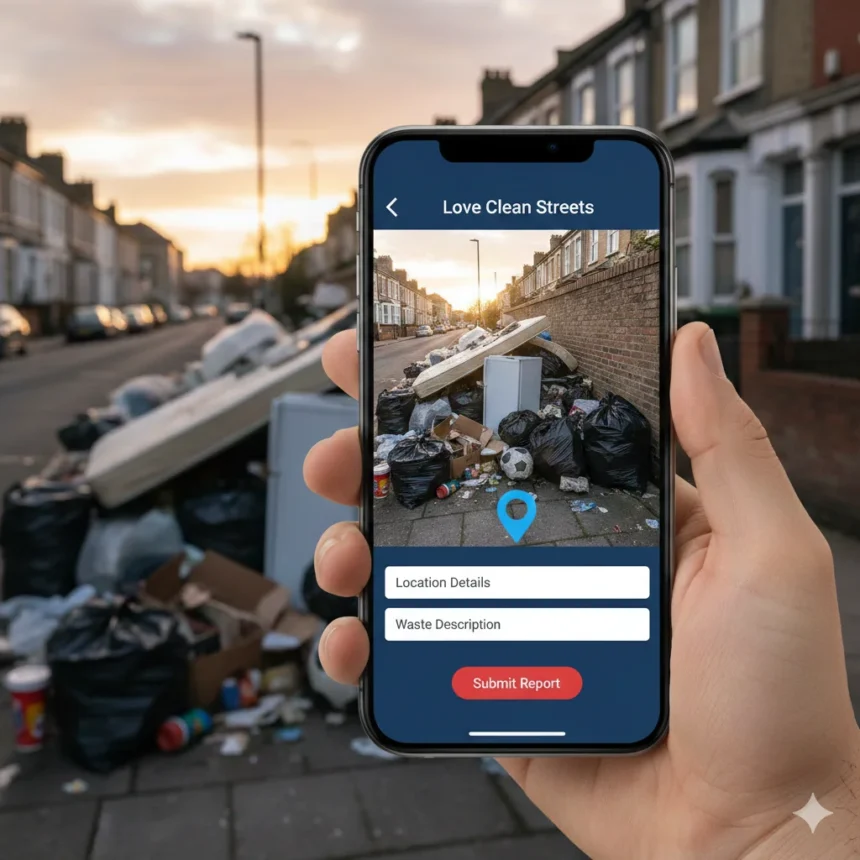
Report fly-tipping in Croydon using the Love Clean Streets app or website for the quickest action. Provide location details, photos, and waste description to Croydon Council, who handle clearances on public land. Local residents in Bexley, Bromley, Lewisham, Southwark, Greenwich, and Croydon can follow similar steps via their South London council portals.
- Why Fly-Tipping Matters to Local Residents
- Step-by-Step Actions to Report Fly-Tipping
- Which Council Service Handles Fly-Tipping
- Information or Documents Needed
- Expected Response Time
- What to Do if Follow-Up is Required
- Rights and Responsibilities Under UK Rules
- Practical Tips to Avoid Fly-Tipping in Future
- Additional Guidance for Neighbouring Boroughs
Why Fly-Tipping Matters to Local Residents
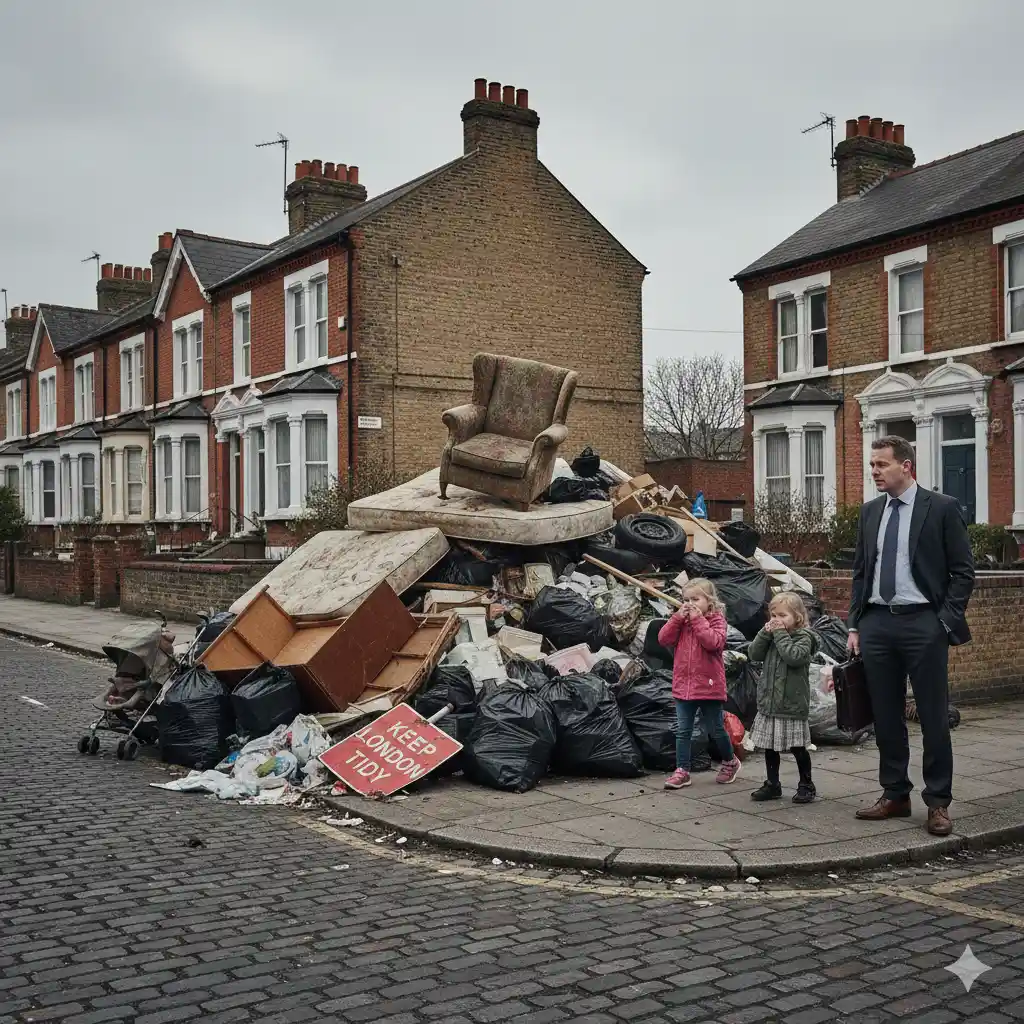
Fly-tipping blights neighbourhoods across South London, turning streets and green spaces into eyesores that lower property values and deter community pride. It poses health risks from vermin, hazardous materials, and pollution, affecting families in Croydon and nearby boroughs like Bexley and Lewisham.
Residents bear the cost through council taxes, as clearances divert funds from other services in Bromley, Southwark, and Greenwich. This illegal activity undermines efforts to keep South London clean, impacting daily life for commuters, parents, and shoppers alike.
Step-by-Step Actions to Report Fly-Tipping
Follow these clear steps to report fly-tipping effectively in Croydon under 2026 rules.
- Download the Love Clean Streets app or visit the Croydon portal to start your report.
- Pinpoint the exact location using a map or what3words reference for precision.
- Upload clear photos or videos showing the waste volume and type.
- Note the date, time noticed, and any witness details or vehicle descriptions.
- Submit and track your report via the reference number provided.
For Bexley council or Lewisham council reports, use their online forms or apps like FixMyStreet, mirroring Croydon’s process for consistency across South London.
Which Council Service Handles Fly-Tipping
Croydon Council’s Street Cleansing and Waste Enforcement team manages fly-tipping reports and clearances on public land. They partner with contractors like Veolia to ensure swift removal, aligning with UK duties under the Environmental Protection Act 1990.
If waste appears on private land, the landowner is responsible, but Croydon Council can advise or enforce notices. Neighbouring South London councils, such as Bromley and Southwark, have dedicated environmental services teams for the same purpose.
Information or Documents Needed
Gather key details before submitting to speed up the process in Croydon.
Provide the precise location, including postcode or what3words, to help teams locate it quickly. Describe the waste type—household rubbish, builders’ waste, or hazardous items like asbestos—and estimate volume, such as bags or cubic metres.
Photos are essential: take multiple angles showing the full extent and any clues like vehicle registrations. Include when you spotted it and any observed details, without needing personal documents unless you’re the landowner.
Expected Response Time
Croydon Council clears 95% of reported fly-tips within 24 hours through their efficient contract system. Prioritisation depends on risks—hazardous waste or blockages get immediate attention.
Track progress via your report reference on Love Clean Streets; updates appear online within hours. Similar timelines apply in Greenwich and Southwark councils, ensuring prompt action for local residents.
What to Do if Follow-Up is Required
Check your report status regularly on the Love Clean Streets portal if no action follows initial clearance. Contact Croydon Council’s environmental team with your reference for updates if delays exceed a week.
If waste reappears, submit a new report with fresh photos, noting the previous reference. For unresolved issues or suspected repeat offenders, provide additional evidence like CCTV to aid enforcement.
Escalate to your local councillor if needed, as South London councils encourage resident involvement.
Rights and Responsibilities Under UK Rules
Under the Environmental Protection Act 1990, councils must clear fly-tipped waste from public land promptly. Residents have the right to report anonymously and expect investigation where evidence exists, with fixed penalty notices up to £1,000 for offenders in Croydon.
Your responsibility is to report accurately without handling waste yourself—leave it for professionals. Fly-tippers face unlimited fines or up to five years in prison if prosecuted, protecting communities in Bexley and Lewisham.
Councils recover costs from perpetrators, reducing taxpayer burden across South London.
Practical Tips to Avoid Fly-Tipping in Future
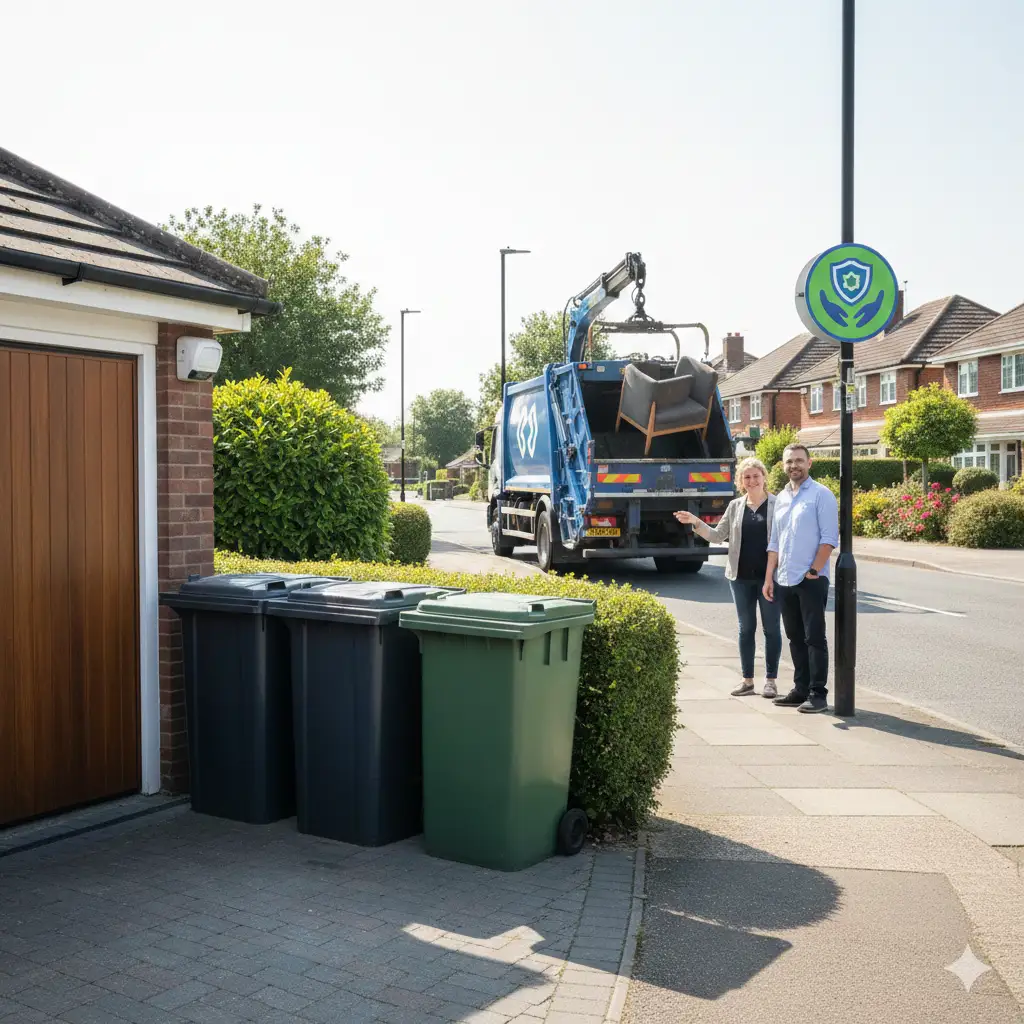
Secure household waste in proper bins to prevent opportunistic dumping near your property in Croydon. Use licensed waste carriers for bulky items—check their upper-tier licence online via government portals.
Support community clean-ups organised by South London councils to deter hotspots in Bromley or Greenwich. Report suspicious vehicles early to build evidence patterns.
Install CCTV or motion lights on private land, and join neighbourhood watch groups for shared vigilance among local residents.
Choose official recycling centres over unofficial sites, cutting demand for illegal disposal in areas like Southwark.
Additional Guidance for Neighbouring Boroughs
Residents in Bexley council areas report via their dedicated fly-tipping page, with fines now at £1,000. Bromley follows suit with online forms emphasising evidence submission.
Lewisham council and Southwark use apps like FixMyStreet for seamless reporting, prioritising high-risk sites. Greenwich mirrors this, ensuring uniform protection across South London boroughs.
Stay vigilant—your reports help enforce 2026 rules effectively.