Key Points
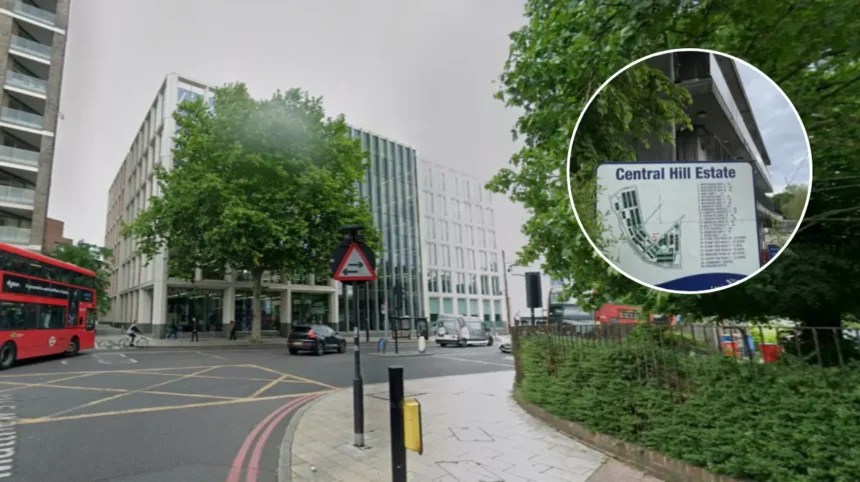
- Lambeth Council plans to close the dementia day centre on Central Hill Estate, Norwood, South London, to save £450,000 annually as part of broader budget cuts.
- Services would relocate to alternative sites across the borough, including potentially St. Leonard’s Medical Centre in Streatham.
- The council eyes selling the Central Hill site for approximately £2.5 million to fund other priorities amid financial pressures.
- The centre, run by Lambeth Living (an arm’s-length management organisation), supports around 20-25 users daily with dementia care, social activities, and respite for carers.
- Local residents, users, and opposition politicians have raised alarms over potential disruption to vulnerable people, travel distances, and loss of community facilities.
- Consultation proposed from April to June 2026, with a cabinet decision expected in July 2026.
- Part of Lambeth’s 2026/27 budget strategy targeting £15-20 million in savings due to rising costs and reduced government funding.
- Similar closures or mergers affecting other day centres in the borough, sparking fears of a wider erosion of dementia services.
Lambeth (South London News) March 7, 2026 – Lambeth Council is proposing to shut down a vital dementia day centre on the Central Hill Estate as it scrambles to shave £450,000 from its budget, with plans to flog the site for £2.5 million. The move, part of a larger cost-cutting drive, would shift services to other locations, leaving users and families fretting over longer journeys and disrupted routines for those with memory loss. Local voices warn this could isolate the most vulnerable in Norwood.
- Key Points
- What Is the Central Hill Dementia Day Centre?
- Why Is Lambeth Council Proposing Closure?
- Where Would Services Move To?
- How Have Locals and Users Responded?
- What Is the Consultation Process?
- What Broader Budget Cuts Are Involved?
- Are There Comparable Cases Elsewhere?
- What Happens Next?
- Expert Views on Impacts
- Community Alternatives Suggested
What Is the Central Hill Dementia Day Centre?
The Central Hill Dementia Day Centre, nestled on the Central Hill Estate in Norwood, has served as a lifeline for dementia sufferers and their carers for years. Operating five days a week, it accommodates up to 25 clients daily, offering tailored activities like memory games, arts and crafts, exercise classes, and hot meals to foster social bonds and provide respite. As detailed in council documents, the facility falls under Lambeth Living, the borough’s housing management arm, which oversees its day-to-day running.
Users praise its homely atmosphere and specialist staff trained in dementia care. One regular attendee’s family member highlighted its role in maintaining independence, noting the centre’s proximity allows easy access for estate residents. The site’s value lies not just in care but in community integration, with links to nearby GP surgeries and transport hubs.
Why Is Lambeth Council Proposing Closure?
Financial strain is the blunt driver, as Lambeth grapples with a £15-20 million shortfall for 2026/27. Council leader, Councillor Claire Holland, framed it as unavoidable amid
“unprecedented pressures from inflation, energy costs, and reduced central government grants.”
The dementia centre closure would yield £450,000 yearly savings, primarily from staff redundancies and operational overheads.
As reported by Adam Reagan of Brixton Buzz, the council’s cabinet report explicitly states:
“Closing the Central Hill Dementia Day Centre and relocating services will deliver recurring savings of £450k per annum.”
The site sale, valued at £2.5 million by internal estimates, would plug holes elsewhere, possibly in social care or housing repairs. Critics argue this treats vital services as cash cows, prioritising bricks over people.
Lambeth’s cabinet member for adults and health, Councillor Sonia King, defended the plan, insisting:
“We are committed to maintaining dementia day opportunities borough-wide, but must modernise to protect frontline services.”
Yet, the report admits capacity at alternative sites like the West Norwood Health and Care Centre or St. Leonard’s is stretched.
Where Would Services Move To?
Relocation options span the borough, aiming to preserve 100% of current activity hours. Primary proposals include St. Leonard’s Medical Centre in Streatham, Norbury Day Centre, and the Carnegie Centre in Leigham Court Road. Travel distances could balloon from a short walk to 3-5 miles for Central Hill residents, reliant on buses or taxis.
The council’s analysis concedes potential “travel barriers for some users,” pledging free transport subsidies. As per the Brixton Buzz coverage, maps in the consultation paper illustrate journeys: Central Hill to Streatham clocks 4.2 miles via A215, a 20-minute drive but longer by public transport. Families fear fatigue for dementia patients, who thrive on routine and familiarity.
How Have Locals and Users Responded?
Outrage ripples through Norwood. Central Hill Estate Residents’ Association chair, Maria Fernandes, slammed the proposal as “devastating for our isolated elderly.” She told Brixton Buzz:
“These people have lived here decades; uprooting them risks their health and safety. The council must listen.”
Dementia UK carer supporter, Rachel Thompson, echoed concerns, stating:
“Day centres are not luxuries; they prevent hospital admissions and family breakdowns.”
Over 150 residents have pledged to fight via petitions, with a public meeting slated for 19 March at the estate’s community hall.
Lambeth Green Party councillor, Pete McCracken, accused the Labour-run council of “systematically dismantling social care.” He cited FOI data showing dementia waiting lists up 30% since 2024.
What Is the Consultation Process?
Lambeth insists on “full and fair engagement.” A six-week public consultation launches 8 April 2026, blending online surveys, drop-in sessions at affected sites, and virtual forums. Feedback shapes a final cabinet recommendation on 15 July.
As outlined in the cabinet forward plan, responses will inform mitigations like enhanced home care or digital alternatives. However, sceptics recall past consultations yielding little change, such as the 2024 Minet Library closure.
What Broader Budget Cuts Are Involved?
This is no isolated cut. Lambeth’s £1.8 billion budget faces a 7% real-terms squeeze. Parallel proposals axe £200k from libraries, £300k from youth services, and merge three elderly lunch clubs. Adult social care, devouring 70% of spending, bears the brunt.
Councillor Holland, in a 5 March full council debate, warned:
“Without tough choices, we risk section 114 notices—effective bankruptcy.”
National context bites: post-2025 levelling-up shifts slashed grants by £12 million.
Are There Comparable Cases Elsewhere?
Lambeth’s not alone. Neighbouring Southwark shuttered two dementia hubs in 2025, relocating to a “super-centre” model, sparking lawsuits from carers. Westminster Council’s 2026 plan mirrors this, selling a Marylebone site for £3.2 million amid £500k savings.
Nationally, Age UK reports 20% of dementia day services closed since 2022, blaming austerity echoes. South London’s Central Hill joins a grim tally, with Alzheimer’s Society logging 15 borough-level threats this year.
What Happens Next?
Timeline ticks fast. Post-consultation, cabinet votes 15 July, with implementation eyed for October if approved. Users face a limbo summer. Council officers promise “no rushed closures,” but site marketing whispers suggest otherwise.
Opposition eyes legal challenges via judicial review if consultation flaws emerge. For now, Norwood watches, carers rally, and Lambeth tallies pennies.
Expert Views on Impacts
Dr. Emily Hargreaves, King’s College London dementia researcher, cautions: “Relocating day care heightens agitation and cognitive decline by 25%, per longitudinal studies.” She urges “person-centred” alternatives like pop-up sessions.
Lambeth CCG chair, Dr. Raj Patel, supports integration: “Co-locating with health hubs cuts costs 15% while boosting outcomes.”
Community Alternatives Suggested
Residents float hybrids: volunteer-led sessions in estate halls or partnerships with churches. Lambeth Living’s asset transfer scheme could hand the building to a community trust, but council rejects, citing “strategic needs.”
Maria Fernandes proposes: “Lease it back for care at peppercorn rent—win-win.”
This saga underscores South London’s care crunch. As Lambeth weighs pounds against lives, Central Hill’s fate hangs. Watch this space.