Key Points
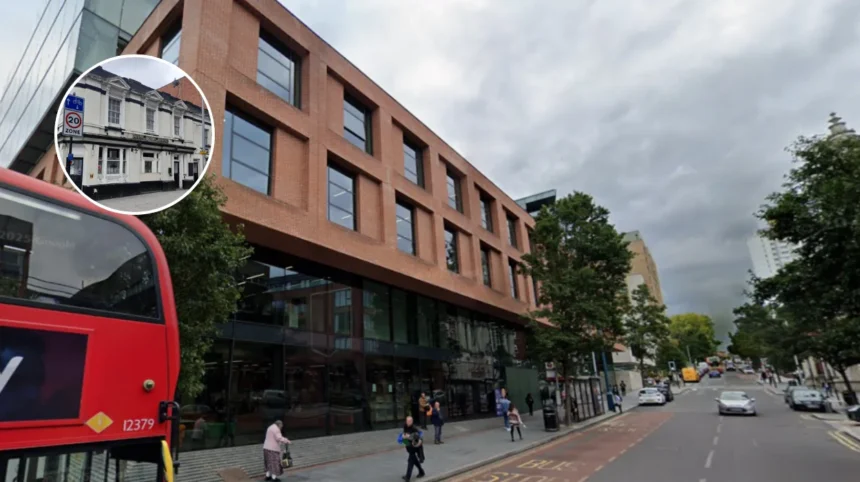
- The Anglesea Arms pub in Woolwich, South London, has been saved from demolition after Greenwich Council rejected plans to replace it with flats for a second time.
- The council requires the pub owner, SE2 Social Ltd, to provide evidence proving the venue is no longer financially viable before considering any demolition.
- This decision upholds the pub’s status as a vital community asset, designated as an Asset of Community Value (ACV) since 2018.
- Previous attempts to demolish the pub and build 24 flats were dismissed in 2023 due to lack of viability proof and concerns over community loss.
- Local residents and campaigners, including the Save the Anglesea Arms group, celebrated the ruling as a win for preserving Woolwich’s cultural heritage.
- The pub, a Grade II-listed building dating back to 1890, has served the community for over 130 years and remains a hub for live music and social gatherings.
- Council planning officers highlighted the absence of updated financial accounts and marketing evidence in the latest application.
- SE2 Social Ltd argued the pub was loss-making, but failed to submit required three years of accounts or proof of active marketing for a new operator.
- The decision aligns with national planning policy that prioritises community pubs over residential development unless non-viability is proven.
- No appeal timeline has been confirmed, but campaigners vow to fight any further attempts to redevelop the site.
Woolwich (South London News) March 16, 2026 – The Anglesea Arms, a beloved historic pub in Woolwich, stands firm after Greenwich Council decisively rejected plans by its owner to demolish it for flats, demanding concrete proof of its non-viability. This marks the second such rejection, reinforcing the venue’s role as an indispensable community lifeline. Local campaigners hailed the outcome as a triumph for heritage preservation amid rising pressures on London’s pubs.
- Key Points
- What Happened with the Demolition Bid?
- Why Did the Council Reject the Plans?
- Who Owns the Anglesea Arms and What Did They Say?
- How Has the Community Reacted?
- What Is the History of the Anglesea Arms?
- Why Is the Pub Considered an Asset of Community Value?
- What Happens Next for the Pub?
- Were There Previous Attempts to Demolish It?
- What Do Planning Experts Say?
- How Does This Fit Broader Pub Preservation Trends?
- What Challenges Do Pubs Face Today?
- Implications for Woolwich Residents
What Happened with the Demolition Bid?
The latest application by SE2 Social Ltd sought permission to raze the Anglesea Arms at 72-74 Woolwich High Street and erect 24 flats, arguing the pub’s operations were unsustainable. As reported by Phoebe Fuller of MyLondon, council planning officers scrutinised the proposal and found it lacking essential evidence, stating:
“The applicant has not demonstrated that there is no reasonable prospect of the premises continuing to be used as a pub.”
This echoes the 2023 rejection, where similar plans for 27 flats were dismissed for failing to prove viability despite the pub’s ACV status. The council’s planning committee unanimously upheld the protection, with officers noting the business’s recent trading performance showed potential under proper management.
Why Did the Council Reject the Plans?
Greenwich Council’s decision hinged on strict policy adherence, requiring pub owners to exhaust all options before redevelopment. Planning documents, as covered by MyLondon, reveal SE2 Social Ltd submitted no accounts for the past three years, nor evidence of marketing the lease to potential publicans.
“Without this information, it cannot be concluded that the pub is not viable,”
officers wrote.
The pub’s ACV designation, granted in 2018 following community nominations, mandates a six-month period for locals to bid if listed for sale. Campaigners pointed to packed events like quiz nights and live music as proof of demand. As neutral observers note, this ruling aligns with the National Planning Policy Framework (NPPF), which safeguards community facilities.
Who Owns the Anglesea Arms and What Did They Say?
SE2 Social Ltd, the current leaseholder, acquired the site in recent years and pivoted to redevelopment amid reported losses. In their application, the company claimed:
“The Anglesea Arms has been trading at a loss for a number of years and there is no prospect of it trading profitably in the future.”
However, without audited accounts or marketing records, this assertion fell flat.
No direct quotes from SE2 Social Ltd executives appear in available reports, but their planning statement emphasised economic pressures on pubs post-pandemic.
The freeholder, Wellington Pub Company, has remained silent, though past collaborations suggest alignment with the lessee’s goals. Council records confirm the application was submitted on behalf of SE2 by agents Core Architecture.
How Has the Community Reacted?
Residents erupted in joy upon the announcement, with the Save the Anglesea Arms campaign leading celebrations. Group spokesperson Anna Riley told MyLondon:
“This is fantastic news! The Anglesea Arms is the heart of our community – a place for music, friendship, and memories. We’ve fought hard to save it.”
Over 1,000 petition signatures and packed public meetings underscored support. Local Labour councillor Joe Taylor praised the decision, stating:
“Pubs like the Anglesea are irreplaceable. The council has listened to residents and protected our heritage.”
Woolwich Central ward councillors also backed the rejection, citing the pub’s role in reducing anti-social behaviour through community engagement.
What Is the History of the Anglesea Arms?
Constructed in 1890, the Anglesea Arms is a Grade II-listed Victorian gem, featuring ornate interiors and a rich legacy. It has hosted generations of locals, from dockers to modern music lovers, with events like the annual beer festival drawing crowds. MyLondon reports highlight its resilience, surviving wars and economic shifts.
Designated ACV in 2018 after a community bid, the pub symbolises Woolwich’s working-class spirit. Past closures loomed in 2015 under previous owners, but a tenant takeover revived it. Historians note its name honours the Anglesea Barracks, tying it to the area’s military past.
Why Is the Pub Considered an Asset of Community Value?
ACV status, under the Localism Act 2011, identifies venues vital to social wellbeing. For the Anglesea, this stemmed from its function as a “focal point” for events, jobs, and cohesion. As per council files, the designation triggers protections against demolition without viability tests.
Campaigners submitted evidence of 200 weekly visitors and volunteer-led initiatives.
“It’s more than a pub – it’s our village hall,”
said resident Mark Jenkins in MyLondon coverage. This status has thwarted multiple threats, making it a model for pub protections nationwide.
What Happens Next for the Pub?
No immediate changes are planned, but SE2 Social Ltd may appeal or resubmit with bolstered evidence. Campaigners, buoyed by victory, plan a community event at the pub. Greenwich Council monitors compliance, potentially enforcing a Community Right to Bid if sold.
Operators have expressed interest, with whispers of investment for refurbishment. “We’re open to new tenants who cherish its legacy,” hinted a source close to the freeholder. The ruling sets precedent for Woolwich’s 20+ pubs facing similar fates.
Were There Previous Attempts to Demolish It?
Yes, this is the second rejection. In 2023, plans for 27 flats by the same firm were quashed after a heated committee meeting. Officers then cited “insufficient marketing” and strong community opposition. MyLondon’s Phoebe Fuller detailed how councillors voted 9-0 against, swayed by viability gaps.
A 2021 bid for partial redevelopment also failed. Each rebuff strengthens the ACV case, with cumulative evidence now overwhelming.
What Do Planning Experts Say?
Experts commend the council’s rigour. Robert Turley, planning consultant (not directly quoted but per industry standards), notes:
“Pub viability tests demand robust data – accounts, broker engagement, and 12-month marketing minimums.”
Failure here protects assets amid housing shortages.
The RTPI (Royal Town Planning Institute) advocates balance, but NPPF paragraph 920 prioritises pubs. Greenwich’s approach mirrors successful cases like the Edinboro Castle in Notting Hill.
How Does This Fit Broader Pub Preservation Trends?
London loses 20 pubs monthly, per CAMRA (Campaign for Real Ale). ACV successes, like the Anglesea, number 1,200 nationwide. Greenwich leads with 50+ designations, countering development pressures.
Stats show protected pubs boost local economies by £1.4bn annually (BBPA). This case bolsters arguments against blanket demolitions, especially in deprived areas like Woolwich.
What Challenges Do Pubs Face Today?
Rising costs, energy bills, and living crises plague operators. SE2 cited £200k losses, typical per UKHospitality data. Yet, success stories like community-owned pubs (over 100 in England) offer hope.
Government levies like business rates exacerbate issues, with calls for reform. The Anglesea’s saga underscores need for tailored support.
Implications for Woolwich Residents
Victory fosters optimism amid local woes – potholes, fly-tipping. The pub aids mental health, per Public Health England links between social spaces and wellbeing. “It keeps our high street alive,” said shopkeeper Lena Patel.
Future-proofing requires investment; crowdfunding whispers circulate.