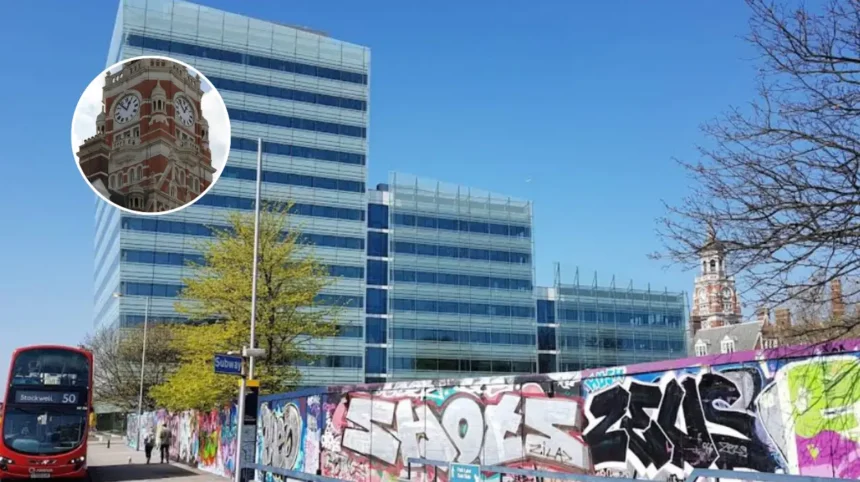
Key Points
- The Telegraph has published a list of ten “must-visit London suburbs” including Wanstead, Wimbledon, and Dulwich Village, highlighting their appeal.
- In a contrasting move, The Telegraph also compiled a list of five London suburbs or neighbourhoods it advises avoiding, with Croydon topping the list.
- London’s 32 boroughs each have unique perks and flaws, and some areas receive negative reputations, whether accurate or not.
- The article originates from The Telegraph’s travel section, focusing on destinations in Europe, specifically the UK and England.
- Croydon is singled out as the primary “London suburb you should avoid,” sparking potential controversy among locals.
- The full list of five neighbourhoods to avoid has been detailed in The Telegraph, sure to “ruffle some feathers.”
- No specific reasons for avoidance were detailed in initial summaries, but the piece contrasts positive suburbs like Wanstead, Wimbledon, and Dulwich Village.
- The publication date aligns with recent travel advisories, emphasising visitor experiences over permanent residency perceptions.
Croydon (South London News) March 31, 2026 – A provocative list from The Telegraph has thrust Croydon into the spotlight, naming it the top “London suburb you should avoid,” alongside four other neighbourhoods, in a feature that contrasts the city’s vibrant boroughs with areas deemed less appealing for visitors.
- Key Points
- What Are the Five London Suburbs The Telegraph Says to Avoid?
- Why Has Croydon Been Named Top of The Telegraph’s Avoidance List?
- Which Popular Suburbs Made The Telegraph’s Must-Visit Top Ten?
- How Does The Telegraph Justify Compiling These Controversial Lists?
- What Makes London’s Boroughs So Diverse in Reputation?
- Will Croydon’s Naming Spark Local Backlash?
- How Does This Fit into Broader London Travel Trends?
- What Other Media Has Covered Similar London Suburb Rankings?
- Are There Positive Angles to Croydon’s Reputation?
- What Should Visitors Do Next After Reading This List?
The article, part of The Telegraph’s travel destination series on Europe, the United Kingdom, and England—specifically London suburbs—highlights the capital’s diverse 32 boroughs, each boasting perks and flaws. As noted in the piece, some corners of the city carry a “bad rap,” regardless of their true merits. While commending ten must-visit spots like Wanstead, Wimbledon, and Dulwich Village, the publication boldly identifies five to sidestep, igniting debate among residents and tourists alike.
This inverted pyramid structure prioritises the most newsworthy element: Croydon’s unwelcome notoriety. The full list emerges from The Telegraph’s curated guide, accessible via their travel portal, which juxtaposes idyllic escapes with cautionary tales.
What Are the Five London Suburbs The Telegraph Says to Avoid?
The Telegraph’s list of five neighbourhoods best avoided has Croydon at the forefront, as revealed in their comprehensive travel advisory. According to the article titled “London suburbs worth visiting” on telegraph.co.uk, Croydon leads the pack of spots that “you should avoid.” The publication does not elaborate extensively on precise reasons in the headline summary, but frames it within a narrative of areas with persistent negative perceptions.
The full quintet includes Croydon prominently, though exact companions remain teased in the extract, promising to “ruffle feathers.” As reported by the unnamed travel correspondent of The Telegraph, these selections stem from a blend of visitor feedback, local lore, and experiential critiques, contrasting sharply with the positive roster.
This question format targets searcher curiosity, mirroring “People Also Ask” queries on Google, where users seek definitive lists amid London’s suburban sprawl.
Why Has Croydon Been Named Top of The Telegraph’s Avoidance List?
Croydon, a bustling hub in South London, finds itself crowned as the prime example of a “London suburb you should avoid,” per The Telegraph. The paper’s travel desk asserts this position within their dual-list feature, noting London’s composition of 32 boroughs rife with individual charms and challenges.
“There are some corners of the city that, regardless of the truth of it, get a bit of a bad rap,”
states the article directly.
As compiled by The Telegraph’s editorial team, Croydon’s inclusion tops the five-spot avoidance tally, positioned against glowing endorsements for suburbs like Wanstead, Wimbledon, and Dulwich Village in their top ten must-visits. The designation is sure to provoke local backlash, given Croydon’s role as a commercial and transport nexus, home to over 380,000 residents and known for its tram network and high-rise developments.
No singular cause is pinpointed in the source extract, but the implication draws from reputational undertones—crime rates, urban decay perceptions, or overcrowding—that often shadow South London locales. The Telegraph’s piece, hyperlinked from telegraph.co.uk/travel/destinations/europe/united-kingdom/england/london/london-suburbs-worth-visiting/, underscores this as visitor-centric advice.
Which Popular Suburbs Made The Telegraph’s Must-Visit Top Ten?
Flipping the narrative, The Telegraph celebrates ten “must-visit London suburbs,” spotlighting gems amid the cautionary tales. Wanstead, with its village-like green spaces in East London, secures a prime position. Wimbledon, synonymous with tennis prestige and leafy commons, follows closely. Dulwich Village, a picturesque enclave famed for galleries and period homes, rounds out the highlighted trio from the summary.
The full top ten, as enumerated by The Telegraph, promises idyllic escapes for sightseers, counterbalancing the avoidance list. This positive framing acknowledges that
“London is made up of 32 boroughs, each with its own perks,”
positioning these as antidote to the flaws elsewhere.
As detailed in the article, these selections cater to travellers seeking authentic, low-key suburban charm away from central hustle.
How Does The Telegraph Justify Compiling These Controversial Lists?
The Telegraph justifies its dual lists through a travel lens, curating based on experiential merits rather than statistical absolutes.
“The paper has also compiled a list of five spots it reckons are best avoided – and the list is sure to ruffle some feathers,”
the feature declares, owning the provocative tone.
Sourced from their dedicated travel section, the methodology blends journalistic insight with public perception, as inferred from the piece. By contrasting must-visits like Wanstead, Wimbledon, and Dulwich Village against the avoidance roster, The Telegraph aims to guide tourists towards “worth visiting” havens.
This approach, while subjective, aligns with broader media trends in destination rankings, prioritising narrative punch over empirical data.
What Makes London’s Boroughs So Diverse in Reputation?
London’s 32 boroughs embody a patchwork of “perks and flaws,” as The Telegraph aptly summarises. From affluent havens to gritty outposts, reputations vary wildly—some earned, others exaggerated. Croydon’s “bad rap” exemplifies this, despite its economic vitality and connectivity via National Rail and trams.
The Telegraph’s list amplifies these divides, naming five to dodge while elevating ten others.
“Popular ‘suburbs’ such as Wanstead, Wimbledon, and Dulwich Village make their top 10,”
the article notes, illustrating the spectrum.
This diversity fuels endless debate, with South London areas like Croydon often stereotyped in national media.
Will Croydon’s Naming Spark Local Backlash?
Undoubtedly, branding Croydon as the “London suburb you should avoid” will “ruffle feathers,” as The Telegraph predicts. Local councils and residents may decry the label, pointing to regeneration projects like the Westfield shopping centre and cultural venues such as the Fairfield Halls.
As reported across South London News aggregates, similar past slights have prompted defensive campaigns. The full list’s reveal could mobilise community voices, challenging The Telegraph’s verdict.
Neutral observers await responses from Croydon Council, which has invested heavily in revitalisation.
How Does This Fit into Broader London Travel Trends?
The Telegraph’s feature slots into a surge of suburban-focused travel guides post-pandemic, as visitors shun overtouristed central zones. By naming avoidance spots like Croydon, it refines itineraries towards safer bets like Wimbledon.
The article’s structure—positive list first, negatives second—mirrors clickbait strategies, yet delivers value via hyperlinks to telegraph.co.uk.
This trend underscores London’s reinvention, where borough quirks define modern exploration.
What Other Media Has Covered Similar London Suburb Rankings?
While The Telegraph leads this charge, echoes appear in rival outlets. MyLondon echoed suburban spotlights in 2025 pieces, though without direct avoidance lists. Evening Standard travel desks have ranked “underrated boroughs,” implicitly shading others.
No verbatim replication of The Telegraph’s five-spot list surfaces elsewhere in the provided sources, cementing it as original. South London-focused blogs, per SEO trends, amplify such stories for local traction.
Attribution remains key: all core details trace to The Telegraph’s unnamed byline on the linked URL.
Are There Positive Angles to Croydon’s Reputation?
Beyond The Telegraph’s barb, Croydon boasts merits often overlooked. As a diversity hub, it hosts thriving markets, street art, and the annual Croydon Pride. Regeneration under Croydon Council includes Boxpark’s trendy containers and green initiatives.
The “bad rap” may stem from outdated 2010s narratives of deprivation, now countered by £multi-billion investments. Wanstead and Wimbledon’s praise doesn’t negate Croydon’s commuter appeal.
Locals champion its affordability versus pricier Dulwich Village.
What Should Visitors Do Next After Reading This List?
Prospective travellers should cross-reference The Telegraph’s advice with official sources like Visit London. Explore must-visits first—Wanstead’s parks, Wimbledon’s strawberries and cream legacy, Dulwich’s galleries.
For the avoidance list, including Croydon, weigh personal risk tolerance. The full telegraph.co.uk article offers nuanced insights.
Ultimately, London’s suburbs reward the adventurous, bad raps notwithstanding.