Key Points
- Residents of Orpington, South London fear that plans for a new late‑night bar and tapas lounge at 140 High Street would make the area “unsafe for locals” and bring late‑night revellers into family‑oriented streets.
- The applicant, Ekrem Cena, has applied to Bromley Council’s licensing authority for a new premises licence for Priory Lounge & Tapas Bar at 140 High Street, Orpington, BR6 0JS.
- The requested operating hours are from 11:00 to midnight on Sundays to Thursdays and from 11:00 to 1:30 am on Fridays and Saturdays, including late‑night refreshment and the provision of live and recorded music.
- Objections have been lodged by local residents, the Metropolitan Police and, in reporting the context, by Bromley Council officials, who warn of potential impacts on neighbourhood amenity and public safety.
- Bromley Council’s Licensing Sub‑Committee is scheduled to meet on Friday, 17 April 2026 at 10:00 am to consider the new premises licence application for Priory Lounge & Tapas Bar, alongside another application for Mide Afro Mart.
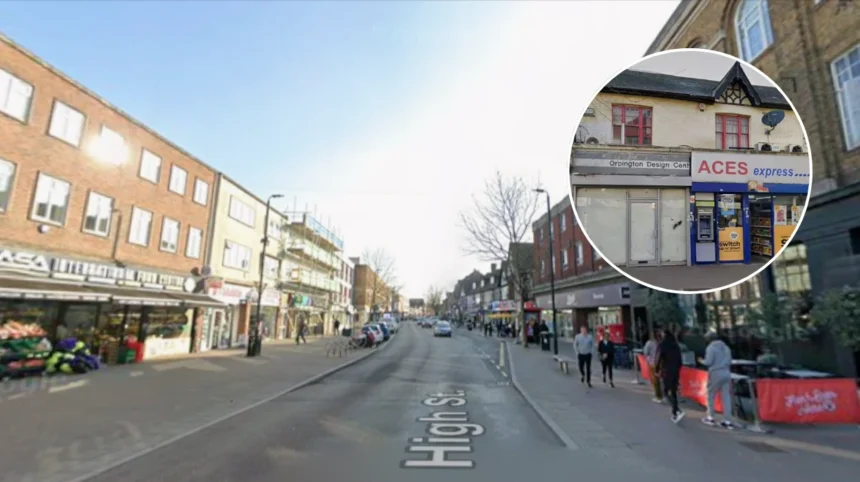
Orpington (South London News) April 16, 2026 Orpington – A proposal to open a late‑night bar and tapas lounge on Orpington High Street has ignited concern among local residents, who say the plan could make the area unsafe for families and shift late‑night revellers into residential streets. The Priory Lounge & Tapas Bar, due to occupy 140 High Street in Orpington, BR6 0JS, is seeking a new premises licence from Bromley Council that would allow it to trade until midnight on week nights and 1:30 am at weekends.
As reported by multiple local information portals and community posts citing Bromley Council’s licensing notices, the licence application was published by the London Borough of Bromley on a public‑notice portal under the Licensing Act 2003. The notice states that Ekrem Cena has applied for the new premises licence and that the venue proposes to sell alcohol, offer late‑night refreshment and provide live and recorded music. Hours listed in the application are 11:00 to 00:00 (midnight) on Sundays to Thursdays and 11:00 to 01:30 on Fridays and Saturdays.
The council’s licensing sub‑committee has added the Priory Lounge & Tapas Bar application to the agenda for a meeting on Friday, 17 April 2026 at 10.00 am, where members will decide whether to grant, refuse or attach conditions to the licence. Council‑transparency site Open Council Network notes that the Licensing Sub‑Committee is scheduled to consider two new premises‑licence applications that day: one for Mide Afro Mart and one for Priory Lounge & Tapas Bar, both involving alcohol sales and late‑night refreshment.
What are residents worried about?
Residents and neighbours have made submissions via the council’s public representations channel, warning that the proposed late‑night operation could place boisterous customers in close proximity to family homes. As reported in community‑group posts that reference the Bromley council notice, local residents fear that a bar operating until 1:30 am on weekends would
“place late‑night revellers within family streets”
and could make the wider area feel unsafe, particularly at night.
The same resident objections, logged with Bromley Council’s Public Protection department, stress that the project could upset local amenity, increase noise, and create additional litter and anti‑social behaviour around the High Street and nearby residential roads.
These views echo broader concerns seen in other Orpington licensing cases, where neighbours have similarly raised issues about late‑night outlets in predominantly residential or family‑focused areas.
What role does the police play in the decision?
The Metropolitan Police has also registered an objection to the Priory Lounge & Tapas Bar application, as listed in the council’s public‑notice documentation. Police‑force objections in licensing matters are typically based on the potential impact on public order, crime, or anti‑social behaviour linked to the premises, though the published notice does not spell out the specific grounds beyond “objection.”
In other recent Orpington licensing cases, the Metropolitan Police has used its right to object or request licence‑review hearings where officers believed extended drinking hours or late‑night activity could increase drunken disorder or burden policing resources in the town centre.
Licensing officers for Bromley Council’s Public Protection team are expected to factor these police concerns into the final report that will be presented to the Licensing Sub‑Committee before the 17 April decision.
How does the council proceed with the application?
Under the Licensing Act 2003, Bromley Council’s licensing authority is required to publish a public notice of any new premises‑licence application and invite written representations from affected persons or statutory bodies such as the police.
The notice for Priory Lounge & Tapas Bar invites comments to be sent to Public Protection at Bromley Civic Centre, Churchill Court, 2 Westmoreland Road, Bromley BR1 1AS, or by email to licensing@bromley.gov.uk by 23 March 2026, which is the statutory
After that deadline, licensing officers compile a Final Licensing Sub‑Committee (LSC) report, summarising the application, the likely impact on the area and any objections received.
That report is then placed before the Licensing Sub‑Committee, which meets on 17 April 2026 at 10.00 am specifically to consider the Priory Lounge & Tapas Bar licence alongside Mide Afro Mart’s application. Members of the public may attend the meeting to observe the discussion, though the committee’s decision itself is reached in private deliberations.
What are the developer’s proposals?
The applicant’s public notice for Priory Lounge & Tapas Bar outlines that the venue will focus on alcohol sales, late‑night refreshment and the provision of live and recorded music within the stated hours.
No detailed description of the internal layout, seating capacity or staffing plan is included in the open‑notice summary, which primarily sets out the proposed hours and licensable activities rather than business‑plan specifics.
Local coverage and community posts indicate that supporters of the project argue it could add a new dining and social‑space option on Orpington High Street, potentially boosting footfall for nearby shops and restaurants. However, these positive expectations are not formally recorded in the council’s licensing‑notice document, which is limited to the legal and technical details of the application.
Background to this licensing development
This case fits into a wider pattern of Orpington licensing applications that have sparked debate over the balance between commercial activity and residential amenity in the town centre.
In recent years, Bromley Council’s Licensing Sub‑Committee has heard objections over other new or varied licences in Orpington, including for late‑night outlets and restaurants, where police and residents have raised similar concerns about noise, drunken behaviour and pressure on local streets.
The council’s general approach under the Licensing Act 2003 is to weigh the four licensing objectives – the prevention of crime and disorder, public safety, the prevention of public nuisance and the protection of children from harm – against the benefits of the proposal.
In past Orpington cases, the sub‑committee has sometimes imposed strict conditions, such as earlier closing times, reduced music volumes or enhanced door‑staffing, to offset risk while still allowing businesses to operate.
How might this development affect the local audience?
If the Licensing Sub‑Committee approves the Priory Lounge & Tapas Bar licence as applied, Orpington residents living on or near High Street could see increased late‑night footfall, louder music and more alcohol‑related activity in the evening, particularly on weekends. This may raise residents’ concerns about noise, litter and potential anti‑social behaviour, but could also offer more options for evening dining and socialising for shoppers and visitors to the town centre.
If the committee refuses the licence or imposes tighter conditions – such as an earlier closing time, a ban on late‑night music or a cap on customer numbers – the establishment may either adapt its business model or withdraw the application. In that scenario, local residents might avoid the anticipated negative impacts, but Orpington’s hospitality sector would miss out on a new late‑night venue that could have contributed to the town centre’s evening economy.