Key Points
- Bromley Council’s Licensing Sub-Committee refused a premises licence application for Priory Lounge & Tapas Bar at 140 High Street, Orpington.
- The applicant was named as Ekrem Cena, and the council said his criminal record meant he was not a fit and proper person to operate the premises.
- Police concerns centred on Mr Cena’s previous arrest and possession of Class A drugs, which he admitted were for personal use.
- The application, published on 6 March 2026, sought permission for alcohol sales, late-night refreshment and live or recorded music, with opening hours extending to 1:30 am on Fridays and Saturdays.
- Objections to the application had to be submitted in writing by 23 March 2026.
- Bromley Council says a premises licence is required in England and Wales to sell alcohol, provide late-night refreshment or offer regulated entertainment.
Orpington (South London News) May 11, 2026 – Bromley Council has rejected a premises licence application for Priory Lounge & Tapas Bar in Orpington after police raised concerns about the applicant’s previous Class A drug possession and the Licensing Sub-Committee concluded he was not suitable to run the venue.
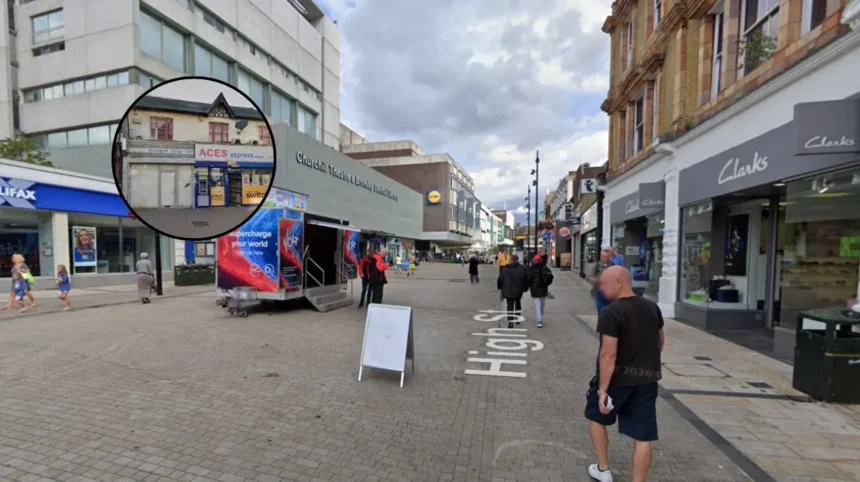
As reported by MyLondon, the application was submitted by Ekrem Cena for the venue at 140 High Street, Orpington, and the council’s minutes show the licensing hearing took place on 17 April 2026. The refusal means the planned bar and tapas venue cannot, at this stage, lawfully sell alcohol or provide the late-night and entertainment activities listed in the application.
What did the licence application ask for?
According to the public notice, the application sought permission for the sale of alcohol on the premises from Sunday to Thursday between 11:00 and 00:00, and on Friday and Saturday between 11:00 and 01:30. It also requested late-night refreshment and live or recorded music on the same extended weekend hours. The notice was published on 6 March 2026 and gave 23 March 2026 as the deadline for written objections.
Bromley Council’s own guidance states that premises licences are required in England and Wales to sell alcohol, provide late-night refreshment and deliver regulated entertainment. The council also says applicants must ensure their business is registered as a food business when applying for a new premises licence or club premises certificate.
What concerns did police raise?
The key objection came from the police, with Met Police Sergeant Peter Wright telling the sub-committee that Mr Cena’s previous arrest and possession of Class A drugs raised concerns about his ability to act responsibly as a premises licence holder. The report says Mr Cena had admitted the drugs were for personal use.
The article does not set out any criminal conviction linked to the drug possession in the material provided, but the council nonetheless treated the past incident as relevant to its judgment on whether he was a fit and proper person. In licensing decisions, councils are able to weigh public safety, crime prevention and the suitability of the applicant before granting permission.
How does the council process work?
Bromley Council says licence applications are handled by the local authority’s Public Protection team at Bromley Civic Centre in Churchill Court, 2 Westmoreland Road, Bromley. The council’s published guidance lists the contact details for licensing queries as 0300 303 8657 and licensing@bromley.gov.uk.
The public notice for Priory Lounge & Tapas Bar states that any representations had to be made in writing and that late submissions could not be considered. It also notes that false statements made knowingly or recklessly in connection with the application can lead to an unlimited fine on summary conviction.
What was published before the hearing?
The notice confirmed that Esi Licensing & Legal Consultancy Ltd acted on behalf of the applicant and dated the notice 23 February 2026. It also set out the proposed operating hours in full, including weekend opening until 1:30am. The council’s licensing rules suggest such applications are assessed against the legal requirements for alcohol sales and entertainment permissions.
MyLondon’s report says the council rejected the application after considering both the police concerns and the applicant’s history. The available material does not quote the full committee reasons beyond the statement that Mr Cena was not a fit and proper person to run the premises.
What is the background to this development?
This case sits within the normal licensing process for new hospitality venues in England and Wales, where operators must seek council permission before selling alcohol or offering late-night entertainment. The Priory Lounge & Tapas Bar application became public in early March 2026 and was then considered by Bromley Council’s Licensing Sub-Committee in mid-April 2026.
The background detail that matters here is the link between licensing suitability and public protection. Bromley Council’s refusal shows that even where a business proposes standard bar and music hours, the applicant’s past conduct can still influence whether the licence is granted.
How could this affect local residents and traders?
For local residents, the refusal means the proposed late-night venue cannot yet open with the alcohol and music permissions it wanted. That may reduce immediate concerns about later trading hours, noise and footfall on Orpington High Street, although the venue could still seek to resubmit or challenge the outcome through the licensing system.
For traders and hospitality operators, the decision is a reminder that licensing applications in Bromley are examined closely and can be refused if the council or police have doubts about suitability. It also shows that past drug-related incidents, even where admitted as personal use, may still weigh heavily in a licensing hearing.