Key Points
- Residents in Lee, south-east London, say rubbish bags left by council street cleaners are being left on the street and torn apart by foxes.
- The dispute has reportedly been ongoing since 2024, continued through 2025, and most recently happened in March 2026.
- Locals say the problem leaves glass, dog faeces and needles scattered on the pavement after foxes search the bags for food.
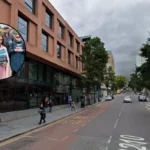
- Matthew Richards said bags on Woodyates Road can remain there “for days on end”, forcing residents to clear up the mess themselves.
- Lewisham Council said it is aware of the issue, is responding to residents’ concerns and says bags are not normally left out for extended periods.
- The council added that some bags may need to be placed temporarily in the area before collection, and said it is monitoring the situation closely.
Lewisham Council (South London News) April 28, 2026 The complaint centres on Woodyates Road, where locals say bags are placed out by street cleaners but are not collected quickly enough, creating repeated street mess and hygiene concerns.
As reported by the Local Democracy Reporting Service, Matthew Richards said the situation has been recurring for a long time and cannot be dismissed as a one-off. He argued that it is inconsistent for the council to campaign against fly-tipping while, in residents’ view, allowing waste to remain on the street.
How did the problem develop?
The issue, according to residents, began in 2024 and has continued through 2025 into 2026. They say the rubbish is sometimes left in place overnight or for several days, giving foxes time to rip open the bags and scatter the contents across the road.
Residents say the resulting mess has included broken glass, dog waste and needles, which increases concern about both cleanliness and public safety.
Their complaint is not only about missed collections, but about what they describe as a repeated system failure in how the waste is handled before collection.
What did residents say?
Matthew Richards said the council should not be criticising illegal dumping elsewhere while, in his view, allowing bags to sit on the street unattended.
He said residents have repeatedly raised the matter and that they should not have to keep reporting the same problem for it to be taken seriously.
He also said there was a period when the situation improved after a council contact acknowledged the issue and agreed it should not be happening.
According to Richards, residents were later told the bags had to remain out for a while during the leaf season, with assurances that staff had been instructed not to leave rubbish there any more.
What has the council said?
Lewisham Council said it knows about the complaints and is responding to residents. The council said its staff avoid putting bags on Woodyates Road where possible and ensure they are not left out for extended periods before collection.
The council also said there are occasions when bags still have to be placed in the area temporarily before being collected.
It asked residents for patience and understanding in those cases, and said it is continuing to monitor the situation closely while working with locals.
Why does this matter locally?
The dispute highlights a wider issue around waste handling in residential streets, where bags may be left outside before being removed.
In this case, residents say the delay is turning a routine collection process into a repeated street-cleaning and pest issue, with foxes spreading waste around the area.
It also places pressure on the council’s public messaging, because residents are linking the complaint to enforcement against fly-tipping. That has made the issue more than a simple bin-collection dispute, turning it into a question of trust, oversight and service consistency.
Background of the development
Lewisham has its own waste and recycling rules for different property types, including guidance for missed collections and arrangements for households without standard bin space.
The council’s published guidance says collection schedules vary by waste type and property, and residents are instructed to report missed collections within a set timeframe.
The present dispute fits into a broader pattern of local concern about waste collection reliability in parts of Lewisham.
Residents in such disputes often argue that the practical reality on the ground does not match council guidance, especially when waste is left visible on streets rather than being removed promptly.
Prediction for residents
For Lee residents, the likely short-term effect is continued frustration unless the council changes the collection process or residents see a more consistent response. If the current approach continues, the area could face repeated street contamination, more complaints and further tension between locals and the council.
For nearby households, the case may also encourage closer scrutiny of how rubbish is stored and collected before it reaches the council’s in-house waste team. If Lewisham can reduce the time bags spend on the street, the risk of foxes tearing them open should fall; if not, the issue may keep returning as a local service complaint.