Key Points
- Residents in Lee, a South East London neighbourhood, accuse Lewisham Council of effectively fly-tipping by failing to collect rubbish bags placed on streets by its street cleaners.
- Issues began in 2024 and continued through 2025, with the most recent incident in March 2026.
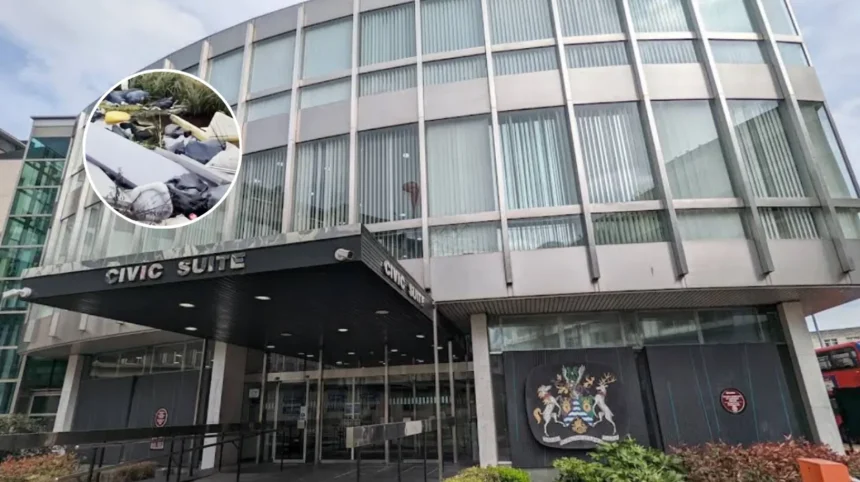
- Uncollected bags on streets like Woodyates Road are torn open by foxes, scattering items such as glass, dog poo, and needles.
- Residents claim bags are left “for days on end,” forcing them to clean up the mess themselves.
- Matthew Richards called the council’s actions hypocritical, given their anti-fly-tipping campaigns and £1,000 fines for residents.
South East London (South London News) April 21, 2026 – Residents living in Lee have accused Lewisham Council of hypocrisy after uncollected rubbish bags littered streets, drawing comparisons to fly-tipping while the authority enforces £1,000 fines on locals for similar offences.
- Key Points
- Why Are Lee Residents Accusing Lewisham Council of Fly-Tipping?
- What Problems Have Foxes Caused with Uncollected Bins?
- How Long Has This Rubbish Collection Dispute Lasted?
- What Has Lewisham Council Said About the Complaints?
- Which Streets Are Worst Affected in Lee?
- Are There Health and Safety Risks from Scattered Waste?
- What Fly-Tipping Enforcement Does Lewisham Council Run?
- Background of the Development
- Prediction: How This Affects Lee Residents
Why Are Lee Residents Accusing Lewisham Council of Fly-Tipping?
Residents in Lee have been locked in a long-standing dispute with Lewisham Council over regular failures to collect rubbish. Street cleaners place bin bags on the street, but collections often do not follow, leaving waste exposed.
This practice, they argue, mirrors fly-tipping, the illegal dumping of waste for which the council fines residents up to £1,000.
The problems started in 2024 and persisted throughout 2025, with the latest incident occurring in March 2026. Residents report foxes ripping open the bags in search of food, scattering hazardous items across the streets.
As reported by Ruby Gregory of MyLondon, residents in Lee have highlighted this ongoing issue, linking it directly to council collection shortcomings.
Matthew Richards, a local resident on Woodyates Road, described bags left “for days on end,” with residents forced to clean up the resulting mess. Mr Richards told the Local Democracy Reporting Service (LDRS):
“It’s hypocritical of [the council] to be campaigning against fly-tipping, fining people, putting up posters, and so on when they’re [effectively] doing it themselves.”
What Problems Have Foxes Caused with Uncollected Bins?
Foxes scavenging through uncollected bin bags have exacerbated the situation in Lee. Residents claim to find dangerous debris, including glass shards, dog poo, and even needles, strewn across streets.
This not only poses health risks but also creates an unsanitary environment in the neighbourhood.
The issue stems from bags placed curbside by council street cleaners but left uncollected. MyLondon detailed how these bags, exposed overnight, attract urban foxes common in South East London.
No alternative collection points or covered bins have been provided, leaving waste vulnerable.
Local frustration has mounted as cleanup falls to residents. Mr Richards noted the irony, as Lewisham Council actively promotes anti-fly-tipping measures while its own service lapses contribute to street litter.
How Long Has This Rubbish Collection Dispute Lasted?
The dispute traces back to 2024, when initial collection failures were reported in Lee. By 2025, complaints had become routine, with residents documenting repeated instances of missed pickups. The pattern continued into 2026, culminating in the March incident on Woodyates Road.
Ruby Gregory of MyLondon reported that residents view the council’s street placement of bags—followed by non-collection—as tantamount to fly-tipping.
Throughout this period, the council has maintained its fly-tipping enforcement, issuing fines without addressing its own service gaps.
No resolution has been publicly announced by Lewisham Council as of 21 April 2026. Residents continue to raise concerns via local channels, including the Local Democracy Reporting Service.
What Has Lewisham Council Said About the Complaints?
Lewisham Council has not issued a direct response in available reports. MyLondon coverage by Ruby Gregory notes the absence of council statements addressing the specific Lee accusations.
The authority’s focus remains on public campaigns against fly-tipping, including posters and £1,000 fines, without reference to internal collection issues.
Residents like Matthew Richards have questioned this stance through the LDRS, highlighting the perceived double standard. No council spokesperson is quoted responding to Mr Richards’ comments or the broader dispute.
Similar complaints in other areas, as investigated by the Local Government and Social Care Ombudsman, reveal patterns of missed collections and poor communication, though not specific to Lee.
Which Streets Are Worst Affected in Lee?
Woodyates Road stands out as a primary hotspot, where Mr Richards reported bags lingering for days. Lee Green, referenced in MyLondon’s coverage, encompasses the affected neighbourhood, with general street litter issues tied to the same collection failures.
Fox activity concentrates around these exposed bags, worsening scatter on pavements and roads. Residents report no designated safe presentation points, forcing ad-hoc placement.
Are There Health and Safety Risks from Scattered Waste?
Scattered waste from fox-torn bags presents clear hazards. Glass poses cut risks, dog poo spreads bacteria, and needles raise concerns over needle-stick injuries and disease transmission. These items end up on streets walked by children, the elderly, and pets.
MyLondon emphasised how uncollected bags fuel this cycle, with no interim measures like reinforced bins proposed. Residents handle cleanup without protective gear, amplifying risks.
What Fly-Tipping Enforcement Does Lewisham Council Run?
Lewisham Council enforces fly-tipping fines up to £1,000, alongside awareness posters. This contrasts sharply with resident claims of council-induced litter. Ruby Gregory’s MyLondon article underscores the residents’ view of council hypocrisy.
No data specifies fines issued in Lee, but the policy applies borough-wide. The council’s campaigns target illegal dumping, yet service lapses mirror the offence, per locals.
Background of the Development
The rubbish collection issues in Lee emerged in 2024 amid broader pressures on UK local councils, including budget constraints and rising waste volumes. Lewisham Council, like many, relies on street presentation for bin collections, but urban fox populations in South East London have long complicated services. MyLondon’s coverage by Ruby Gregory marks the first detailed resident accounts, building on prior unpublicised complaints. The March 2026 incident followed a winter of similar lapses, with no prior council intervention noted.
Fly-tipping fines, standard since 2018 under UK law, generate revenue but fuel resident discontent when services falter.
Prediction: How This Affects Lee Residents
This development can inconvenience Lee residents through ongoing street cleaning burdens and health risks from scattered waste. Cleanup time diverts from daily routines, while hazards like needles affect pedestrian safety, particularly for families. Persistent litter may lower property appeal and community morale, prompting some to explore private waste options. Without resolution, complaints could escalate to formal ombudsman reviews, as seen in similar cases, delaying fixes and straining council-resident relations.