Key Points
- Specialist operation in south London tourist hotspots resulted in six arrests for robbery on Borough High Street, Southwark.
- Operation ran from late Friday, 24 April into early Saturday, targeting Southbank, Borough Market, and Waterloo.
- Suspects used distraction tactic: asking victims to unlock phones for social media follows, then snatching devices.
- Plain-clothes officers, specialist pursuit drivers, and motorbikes deployed to counter illegally modified e-bikes used by thieves.
- Total 15 arrests over 12 hours for robbery, theft, and drugs offences.
- Met cut phone theft offences by 13,000 in past financial year; 21% reduction in theft from person (20,000 fewer victims).
- In Southwark and Lambeth, e-bike enabled crime down nearly 40% in one week; London neighbourhood crime down over 15% (40,000 fewer victims).
- 3,000 illegally modified e-bikes and e-scooters seized since January 2025.
- Technologies used: drones, high-powered e-bikes, live facial recognition.
- Met Commissioner Sir Mark Rowley set 1 June deadline for phone makers to make stolen devices worthless, or push for legislation.
- Operation Reckoning (January-February) led to 248 arrests.
Southwark (South London News) April 30, 2026 –A specialist operation by Metropolitan Police officers against phone thieves in south London tourist hotspots has led to six arrests for robbery. The action focused on areas like Southbank, Borough Market, and Waterloo, where such crimes are prevalent.
- Key Points
- Why Did Met Officers Launch the Friday Night Operation?
- What Distraction Tactic Did Thieves Use?
- How Many Arrests Were Made Overall?
- What Results Has the Met Achieved in Phone Theft Reduction?
- What Policing Tactics Are Being Used?
- What Did Detective Superintendent Gareth Gilbert Say?
- What Is Sir Mark Rowley’s Stance on Phone Manufacturers?
- Are There Broader Crackdowns?
- Background of the Development
- Prediction: Effects on Tourists and South London Residents
Why Did Met Officers Launch the Friday Night Operation?
From late Friday, 24 April, into the early hours of Saturday, Met officers targeted known crime hotspots in these areas. Offenders often use illegally modified e-bikes to snatch phones and flee quickly.
As reported in the official Met Police news release, plain-clothes officers, specialist pursuit drivers, and motorbikes were deployed to intercept these criminals. This followed intelligence on groups operating in the zones.
The operation aligns with the Met’s priority on phone theft reduction, as covered across multiple outlets including UKNIP and ITV News.
What Distraction Tactic Did Thieves Use?
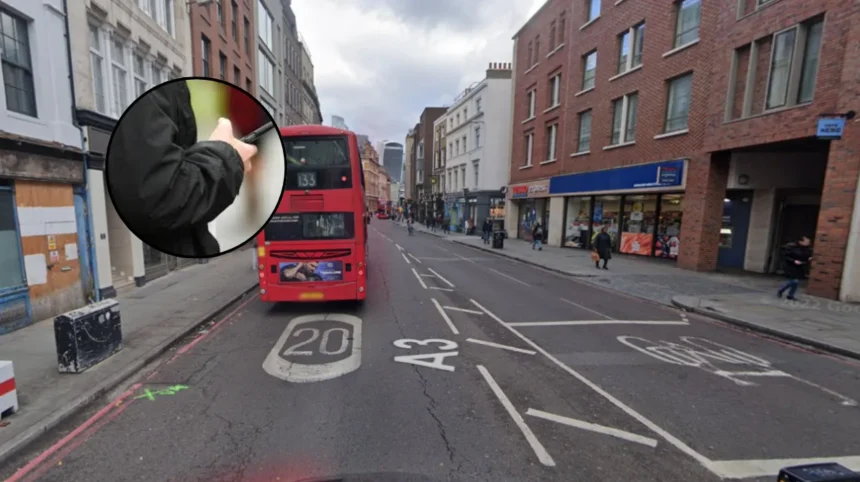
Shortly after midnight, officers spotted a group on Borough High Street in Southwark. The suspects approached members of the public, asking them to unlock phones to follow on social media.
While the device was open, they stole it, as detailed in the Met’s account and echoed by Dailymotion reports. Officers intervened within minutes, arresting the six on suspicion of conspiracy to rob.
UKNIP described this as a “cunning distraction method” commonly used by such gangs.
How Many Arrests Were Made Overall?
Over the 12-hour period, officers made 15 arrests total, covering robbery, theft, and drugs-related offences. The six key arrests formed part of this broader sweep.
Evening Standard noted the additional arrests occurred the same night, reinforcing the operation’s scope.
What Results Has the Met Achieved in Phone Theft Reduction?
The Met has reduced phone theft offences by 13,000 in the past financial year compared to the previous one. Theft from person offences dropped 21% across London, sparing 20,000 victims.
Neighbourhood crime fell more than 15%, meaning 40,000 fewer victims citywide . In Southwark and Lambeth, e-bike enabled crime, linked to phone theft, decreased nearly 40% in one week.
Since January 2025, 3,000 illegally modified e-bikes and e-scooters have been seized.
What Policing Tactics Are Being Used?
Improvements stem from sustained action, including expanded specialist operations and intelligence-led patrols.
New technology such as drones, high-powered e-bikes, and live facial recognition helps catch offenders and disrupt networks.
ITV News highlighted these tactics in reducing phone thefts. UKNIP reported their role in advanced policing against organised crime.
This builds on Operation Reckoning, a January-February effort yielding 248 arrests, as noted in Met background notes and Evening Standard.
What Did Detective Superintendent Gareth Gilbert Say?
Detective Superintendent Gareth Gilbert, leading phone theft action in Southwark and Lambeth, stated: “We are cracking down on phone theft, and our tactics are delivering results. Across London, neighbourhood crime is down by more than 15 per cent. That’s 40,000 fewer victims spared the stress, cost and disruption of crime”.
He added:
“In Southwark and Lambeth, what we are doing is working. In just one week, we cut e-bike enabled crime, which is linked to phone theft, by nearly 40 per cent. Our message is simple: if you commit these crimes, we will catch you”.
These comments appear verbatim in the Met release and ITV coverage.
What Is Sir Mark Rowley’s Stance on Phone Manufacturers?
Met Commissioner Sir Mark Rowley has urged phone manufacturers and technology companies to prevent stolen devices from being reset and resold. He set a 1 June deadline for meaningful measures to “design out crime” by rendering stolen phones worthless.
If no progress, the Met will request government legislative action. BBC reported:
“I’m establishing a clear public expectation; if the industry does not engage constructively and seriously by June 1, with tangible commitments to address mobile phone theft, the Met will formally request the Home Secretary to legislate”.
Rowley called stolen phones “unusable bricks” in speeches, as per ITV and YouTube coverage. This was raised at the International Mobile Phone Crime Conference in March .
Are There Broader Crackdowns?
Recent efforts include a four-week crackdown with 248 arrests for pickpocketing, snatching, handling, and export links, per Emergency Services Times. BBC noted 770 handsets recovered in one month to mid-February.
The Met targets the criminal chain from street thieves to organised groups.
Background of the Development
Phone theft has been a persistent issue in London, particularly in tourist areas, with e-bikes enabling quick escapes since around 2024. The Met intensified its focus via Operation Reckoning from 19 January to 16 February 2026, achieving 248 arrests.
Commissioner Rowley’s June deadline follows his March conference speech, where he criticised industry inaction despite features from Apple and Samsung.
Sustained tactics like those in the 24 April operation build on seizures of over 3,000 modified vehicles since January 2025 and tech deployments.
This reflects wider reductions: 13,000 fewer phone thefts and 20,000 fewer personal theft victims in the past year.
Prediction: Effects on Tourists and South London Residents
This development can reduce immediate risks for tourists and residents in hotspots like Southbank, Borough Market, and Waterloo by deterring thieves through visible arrests and pursuits. Fewer offences, as shown by 13,000 reductions and local 40% drops, may lower stress and costs for victims replacing devices .
If industry meets the 1 June deadline, stolen phones becoming worthless could shrink black market demand, affecting organised networks and leading to sustained lower theft rates for locals and visitors. Without it, potential legislation might enforce changes, indirectly benefiting the audience via harder resets and global blocks.
Ongoing operations signal continued protection, potentially sparing thousands more from disruption in these areas.