
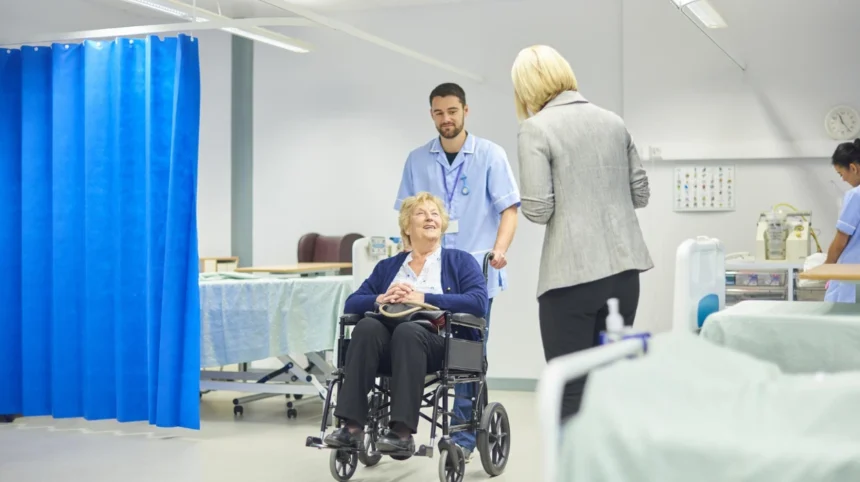
Across the UK in 2026, long waits at GP surgeries and packed A&E departments have become so normal that people barely react anymore. The NHS is going through one of its toughest periods in decades and the pressure is now spilling straight into Parliament, where healthcare has turned into one of the biggest political flashpoints of the year.
The reality behind the numbers
Yes, the waiting list has come down a bit from its pandemic peak, but that doesn’t mean the system is anywhere near fixed.
Only around 61% of patients in England are being treated within the NHS’s 18‑week target, which is miles off the government’s 92% goal. Millions are still waiting for routine care and diagnostic delays continue to pile up.
For patients, these numbers translate into months of uncertainty, delayed diagnoses and conditions that often get worse while they wait.
Westminster can’t agree
Inside Parliament, the arguments over the NHS are getting louder.
One of the biggest rows is over a proposal that would give ministers more control over how much the NHS pays for medicines. Supporters say it could save money and streamline the system. Critics warn it risks turning medical decisions into political ones, instead of basing them purely on patient need.
Meanwhile, MPs are hearing directly from people who can’t get GP appointments or are stuck in long hospital queues and that pressure is shaping the debate.
Doctors are feeling it too
Behind every statistic is a workforce that’s exhausted.
GPs say outdated systems and endless admin are eating into the time they can actually spend with patients. Hospitals are dealing with high demand, staff shortages and increasingly complex cases.Even though more staff have joined the NHS in recent years, it still isn’t enough to keep up with the rising need.
A bigger health problem is emerging
What’s becoming clearer is that the NHS crisis isn’t just about waiting times, it’s about the country’s overall health.
People in the UK are living longer, but they’re also spending more years in poor health. Chronic illnesses, mental health issues, and lifestyle‑related conditions are all rising, adding even more pressure to a system that’s already stretched thin.
Why this matters now
Healthcare isn’t just another policy debate, it’s shaping politics, public confidence and everyday life.
The government has promised to cut waiting times and improve services, but progress is slow, and people’s patience is wearing thin.
For communities across the UK, including South London, the impact is immediate. Delays in care affect families, workplaces and quality of life in ways that go far beyond hospital walls.
The bigger question
The NHS has survived crises before, but this moment feels different.
Because this time, it’s not just about fixing what’s broken. It’s about whether the system can cope with the future and as Parliament continues to argue over solutions, one question is becoming harder to ignore:
Can the NHS keep up with the demands of modern Britain — or is it time to accept that fundamental change might be unavoidable?