Reporting a suspected abandoned car in Lambeth is a straightforward process. Lambeth Council asks residents to provide the vehicle’s colour, make, model, registration number, and exact location, and it also offers an online reporting system for abandoned vehicles.
- What counts as an abandoned car in Lambeth?
- How do you report it to Lambeth Council?
- What information should you include?
- What happens after you report it?
- Where does Lambeth’s process come from?
- What types of places are covered?
- What evidence helps your report?
- How long does removal take?
- What if the vehicle is not on a public road?
- What is the role of the DVLA?
- Why does abandoned vehicle reporting matter in South London?
- What should you do before reporting?
- How does Lambeth’s online map help?
- What should South London residents remember?
- A South London guide for residents
Abandoned vehicles matter because they can block parking, attract vandalism, and create a poor street environment. In Lambeth, the council uses a reporting and monitoring process that helps identify whether a vehicle is truly abandoned before removal action begins.
What counts as an abandoned car in Lambeth?
A suspected abandoned car is a vehicle that appears left in one place for a long time and shows signs of neglect. Lambeth Council uses reports from residents, along with inspection and keeper checks, to decide whether a vehicle meets the threshold for action.
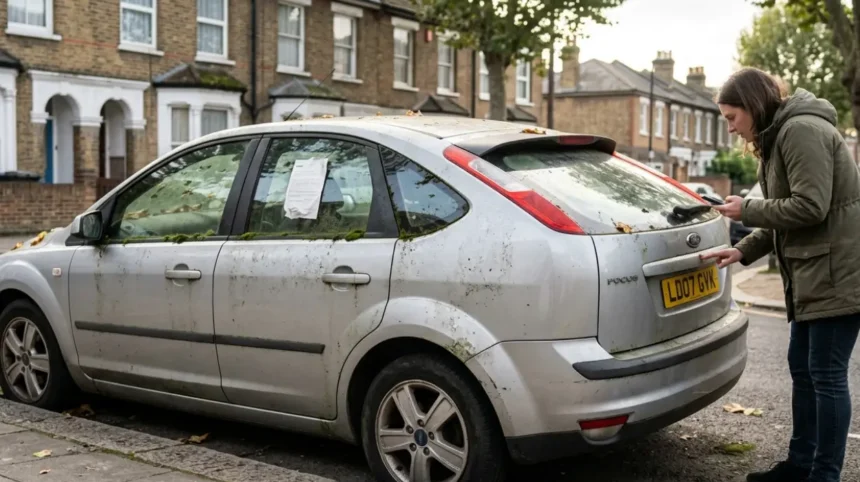
An abandoned vehicle is different from a car that is simply parked legally for several days. Signs of abandonment include a flat tyre, broken windows, missing number plates, unpaid tax, visible damage, or a buildup of dirt and debris. Councils also look at whether the vehicle has been moved recently and whether it is parked on public land or an estate.
How do you report it to Lambeth Council?
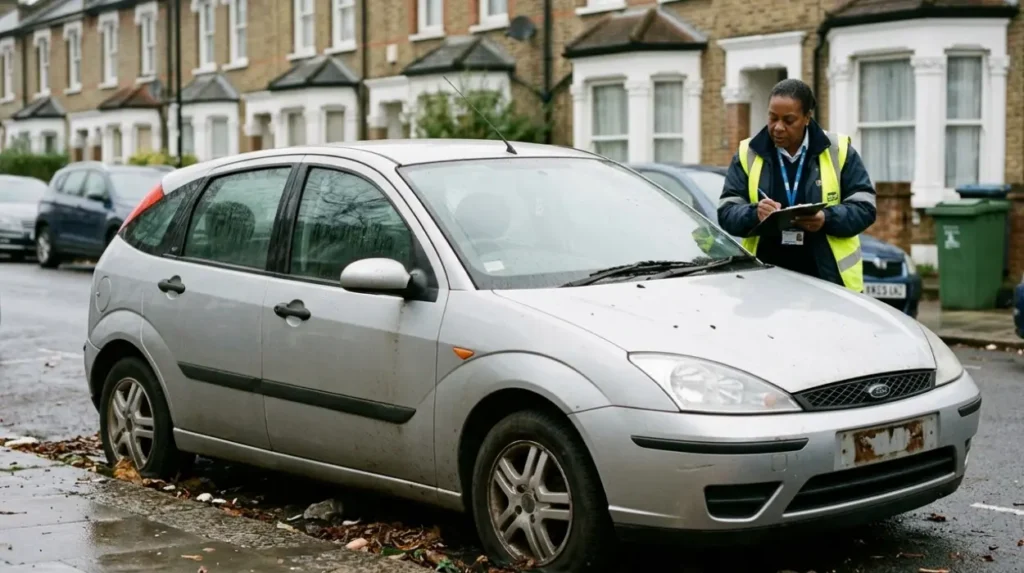
The direct way to report a suspected abandoned car is through Lambeth Council’s abandoned vehicle reporting service. The council asks for the vehicle’s colour, make, model, registration, and exact location so officers can identify and inspect it quickly.
Lambeth also uses an online map-based reporting system that lets residents submit reports and view vehicles already reported in their area. That system supports a faster workflow for reporting, monitoring, and removing abandoned vehicles.
If the issue involves a cycle rather than a car, Lambeth gives a separate contact route for abandoned cycles by email. That is a different process from reporting a motor vehicle and shows that the council separates vehicle types in its handling process.
What information should you include?
Lambeth Council needs enough detail to locate the vehicle and assess it correctly. The key details are the car’s colour, make, model, registration number, and exact location.
Strong reports also include the following:
- The street name and nearby landmark, for example “outside 42 Acre Lane.”
- The condition of the vehicle, for example “flat front tyre” or “broken rear window.”
- The length of time it has been in place, for example “more than two weeks.”
- A photo, if available, because it helps with identification and follow-up.
Clear information reduces delays because officers can match the report to the vehicle faster. The council’s own system is built around accurate identification and location data, which supports inspection and removal decisions.
What happens after you report it?
After you submit a report, Lambeth Council can inspect the vehicle and check whether it is taxed, registered, or in active use. The council’s reporting system links reporting, inspection, removal, and disposal into one process.
Lambeth’s earlier reporting update stated that the council could obtain registered keeper information from the Driver and Vehicle Licensing Agency within 48 hours, which helps speed up the process. The same update said removal can take up to six weeks in some cases.
That timeline matters because not every suspected abandoned car is removed immediately. The council first confirms status, then decides whether the vehicle is abandoned, and then follows the legal and operational steps needed before removal.
Where does Lambeth’s process come from?
The modern reporting route is part of a council service designed to make abandoned vehicle handling quicker and easier for residents. Lambeth introduced a map-based public reporting system that lets people report vehicles, review those already reported, and see which ones are being monitored or are due for removal.
This approach reflects a wider local-government practice in London. Borough councils handle abandoned vehicles on public roads, while residents use online systems to feed information into the enforcement process. Lambeth’s service fits that model and gives the council better data for action.
The historical shift is important because it shows how reporting has moved from slower manual contact to digital case management. That change helps residents, enforcement staff, and neighbourhood teams work from the same records.
What types of places are covered?
Lambeth Council’s abandoned vehicle reporting includes vehicles on streets and on estates. The council’s reporting page specifically separates reporting for abandoned vehicles generally and abandoned vehicles on an estate, which shows that location affects the handling route.
This distinction matters because different land ownership and management rules apply to different places. A vehicle parked on a public road enters the council’s enforcement pathway, while one on an estate may involve estate management procedures alongside council action.
Residents should give the exact location in every case. The more precise the location, the easier it is for officers to verify the vehicle against the report and decide whether it needs monitoring or removal.
What evidence helps your report?
A good report is factual and specific. The strongest supporting details are the vehicle’s registration number, visible damage, location, and the date you noticed it first.
Photos help because they show condition, surrounding street context, and exact placement. A photo also helps distinguish an abandoned vehicle from a lawful parked car, a visitor’s car, or a vehicle temporarily waiting for repair or collection.
If you report the same car again later, keep the original date and note whether the vehicle has moved or changed condition. That record supports follow-up and helps the council track whether the vehicle remains unattended.
How long does removal take?
Removal time depends on the council’s inspection findings, keeper checks, and the legal notice process. Lambeth’s public update stated that the system can speed up removal, but the actual process can still take up to six weeks.
That time frame is useful for expectations. It shows that reporting does not mean immediate towing, because the council has to verify abandonment, contact the registered keeper where possible, and complete procedural steps before disposal.
The map-based reporting system improves visibility because residents can see vehicles being monitored or due for removal. That transparency helps explain why some cases move faster than others.
What if the vehicle is not on a public road?
If the vehicle is on an estate, Lambeth still provides a route to report it. The council’s reporting page includes a separate option for abandoned vehicles on an estate, which signals that estate locations are part of the service.
Estate cases often involve another layer of management because the land is not always part of the public highway. Residents still need the same core facts: make, model, colour, registration, and exact location.
The practical implication is simple. You should report the vehicle through the Lambeth route that matches the land type, because that improves the chance of correct routing and faster review.
What is the role of the DVLA?
The DVLA, the Driver and Vehicle Licensing Agency, holds vehicle registration and keeper information. Lambeth’s earlier reporting update explained that the council can obtain registered keeper information from the DVLA within 48 hours, which helps the enforcement process.
That data is important because a vehicle cannot be treated as abandoned only by appearance alone. The council uses registration and keeper checks to decide whether the car is taxed, insured, owned, or simply left behind.
For residents, this means that a report with a correct registration number is especially valuable. It gives the council a direct route into the official records needed to assess the case.
Why does abandoned vehicle reporting matter in South London?
Abandoned vehicles affect neighbourhoods across South London because they reduce parking availability, create visual blight, and can encourage antisocial behaviour. Councils treat them as a local enforcement issue because they affect how streets are used and maintained.
Lambeth’s system matters because it gives residents a clear route to submit accurate reports and track outcomes. That transparency supports community confidence and helps councils focus resources on vehicles that genuinely need intervention.
For a busy borough like Lambeth, this is not a minor service. It is part of daily street management, public realm maintenance, and resident reporting.
What should you do before reporting?
Before you submit a report, check whether the car is legally parked and simply unused, or whether it shows signs of abandonment. A vehicle left for a short period is not the same as a vehicle that appears neglected, damaged, and unmoved.
You should gather the registration number, note the street and nearest house number, and take a photo if it is safe to do so. These details make the report more usable for the council’s inspection process.
If the vehicle is causing danger, such as blocking access or creating an obstruction, note that clearly in the report. Specific facts help officers prioritise the case correctly.
How does Lambeth’s online map help?
Lambeth’s online map-based reporting system lets residents submit abandoned vehicle reports visually and see other vehicles already reported nearby. The council also said residents can view vehicles that are being monitored or are due for removal.
That feature improves public visibility. It reduces duplicate uncertainty because residents can see whether the vehicle is already known to the council and whether action is in progress.
The map system also supports better local awareness. In practical terms, it makes the abandoned vehicle process easier to understand for residents who want to know whether their report has entered the council’s workflow.
What should South London residents remember?
The most important rule is simple: report only with clear facts. Lambeth Council asks for colour, make, model, registration, and exact location, and those details drive the whole process from inspection to removal.
The second rule is patience. The council may need to verify keeper information, monitor the car, and complete procedural steps before removal, and the process can take up to six weeks in some cases.
The third rule is precision. A well-described report moves faster than a vague complaint because the council can identify the vehicle, check the record, and decide on next action without avoidable delay.
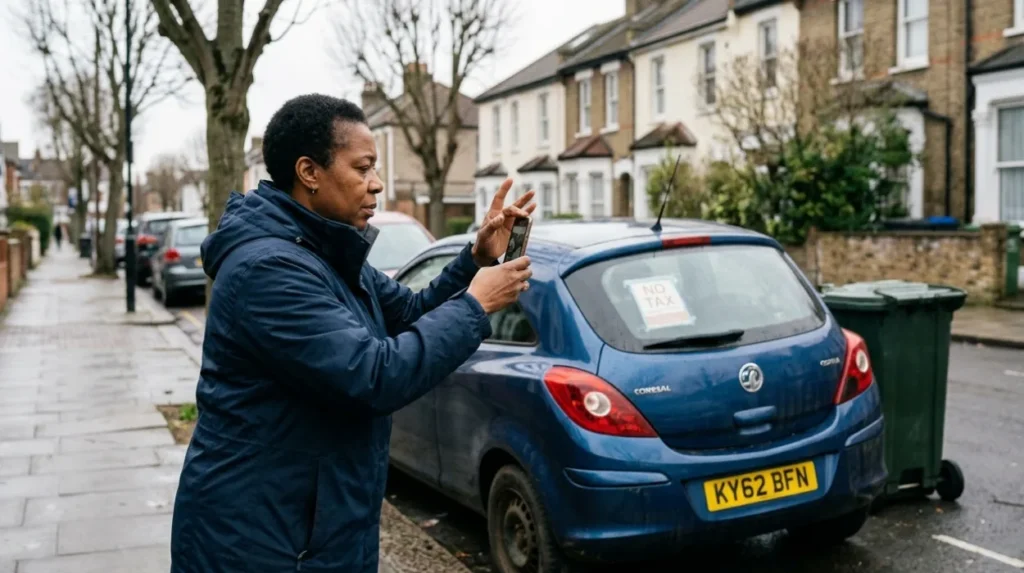
A South London guide for residents
For residents in South London, Lambeth Council’s abandoned vehicle service gives a practical route to deal with cars that appear dumped, neglected, or left behind. The council’s own reporting page and online map show that the borough has a structured system for identifying, monitoring, and removing abandoned vehicles.
That structure benefits local streets because abandoned cars are not just a nuisance. They are a service issue, a road-use issue, and a neighbourhood maintenance issue. Lambeth’s process combines resident reporting, keeper checks, inspection, and removal into one operational chain.
For best results, report the vehicle with complete, exact details and use the council’s official reporting route. That is the clearest way to get the issue into the right enforcement process in Lambeth.
What is an abandoned vehicle in Lambeth?
An abandoned vehicle in Lambeth is a car, van, motorcycle, or other vehicle that appears neglected, damaged, untaxed, or left in one place for a long time without active use or care. Signs can include flat tyres, broken windows, missing plates, dirt buildup, or visible vandalism.