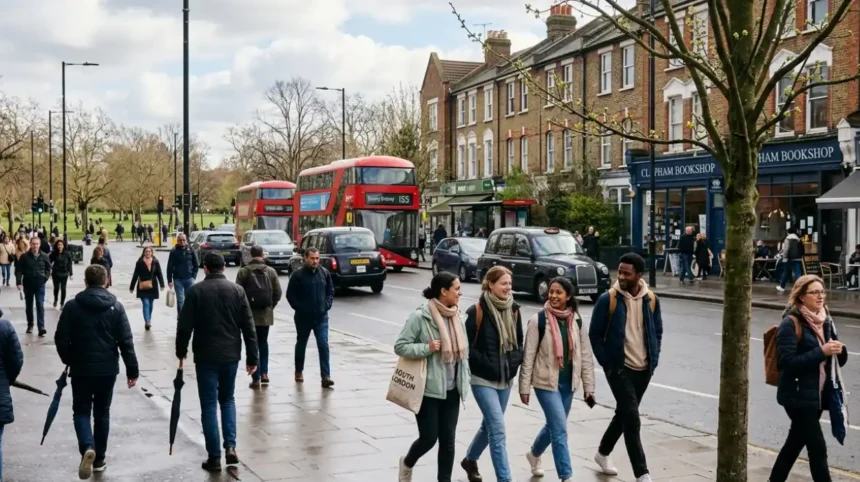
London in March marks the shift from winter into spring, with colder mornings, longer daylight, and a busy calendar of public life. In South London, March matters because it shapes weather planning, travel, weekend activities, and seasonal event coverage for residents and visitors alike.
- What does London March mean?
- Why is March important in London?
- What is London March weather like?
- How does daylight change in March?
- What happens in South London in March?
- Which places are best in March?
- How does March affect transport and travel?
- What should people wear in March?
- What events happen in March?
- How does March compare with other months?
- What does March mean for South London readers?
What does London March mean?
London March means the month of March in London, when winter conditions begin to ease and spring patterns start to appear. In South London, it brings cooler weather, longer days, and a mix of indoor and outdoor activity across neighbourhoods, parks, transport hubs, and cultural venues.
March sits between the short, dark days of winter and the brighter conditions of April and May. In London, the average daylight length in March reaches about 11 hours and 55 minutes, and daylight increases through the month as sunrise comes earlier and sunset later.
For South London audiences, this matters for commuting, school runs, local shopping, and weekend planning. March also begins the period when more people use parks, high streets, and walking routes after the colder months.
Why is March important in London?
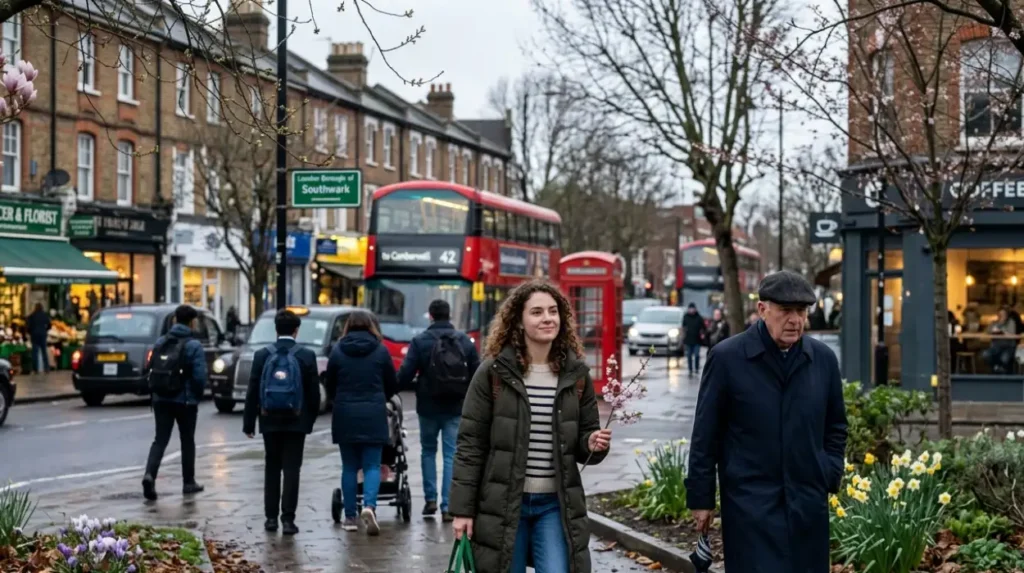
March is important in London because it is a seasonal turning point for weather, daylight, public events, and travel patterns. It also includes the start of British Summer Time at the end of the month, which changes daily routines and extends evening light.
The most important calendar shift in March is the move toward summer time. British Summer Time begins on the last Sunday in March, when clocks move forward by one hour at 1:00 am GMT. That change affects commuting, school schedules, and evening activity across South London.
March also sits close to Easter in some years, which changes shopping patterns, attraction opening times, and transport demand. VisitLondon notes that many attractions stay open on bank holidays, while public transport can be reduced over the Easter period.
What is London March weather like?
London March weather is cool, changeable, and often wet. Typical conditions include temperatures around 4°C to 11°C in South London, regular rain, and occasional cold snaps, so layered clothing and waterproofs remain essential.
A South London March forecast page lists temperatures between 4°C and 11°C, with 3 to 8 rainy days during the month and a small chance of snow. Another London forecast source describes March as having roughly 19 rainy days and 61.7 mm of precipitation, which shows how unsettled the month often is.
Temperature swings happen within the same week. AccuWeather’s London March listing shows daily highs moving across the month rather than staying fixed, which matches the usual spring transition. That is why March remains a month for coats, umbrellas, and flexible plans.
How does daylight change in March?
Daylight increases quickly in March, making the month noticeably brighter than February. London averages nearly 12 hours of daylight in March, and the days lengthen steadily as the month progresses toward the clock change.
The average daylight length in London during March is 11 hours and 55 minutes. This shift gives South London residents more usable evening time for walks, errands, sports, and social plans.
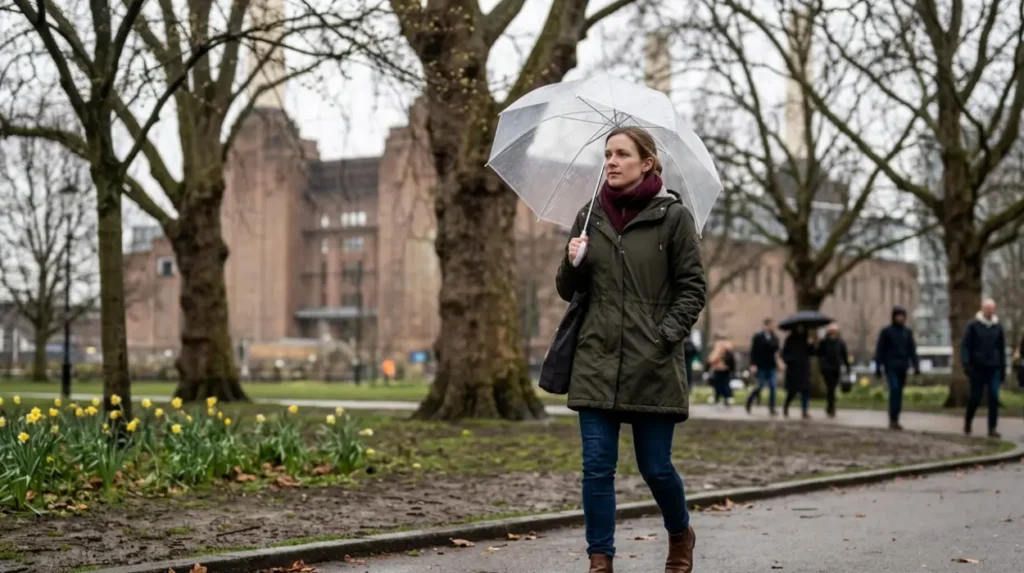
The increase in daylight is not only practical but also visible in local routines. More daylight supports outdoor markets, after-school activities, and longer visits to parks such as Brockwell Park, Crystal Palace Park, Greenwich Park, and Battersea Park.
What happens in South London in March?
South London in March combines early-spring weather with a full schedule of community life, cultural events, and outdoor use of public spaces. The month suits local walks, museum visits, theatre, festivals, and short trips around borough centres.
Event listings for London show March as an active month for classes, performances, book clubs, food events, and dance sessions. South London guide pages also list March events and festivals, showing that the area supports a strong seasonal events calendar.
South London boroughs such as Lambeth, Southwark, Lewisham, Greenwich, Croydon, Wandsworth, and Bromley all see different versions of March activity. Town centres remain busy, while parks and heritage sites gain more footfall as the weather improves.
Which places are best in March?
The best places in London March are sites that work well in cool, variable weather and offer flexible indoor-outdoor access. South London examples include parks, museums, theatres, riverside walks, markets, and heritage attractions.
Expedia’s South London activity listings show that the area includes day trips, tours, and sightseeing options, while general London guidance confirms that many attractions remain open over public holidays. That makes March a practical month for mixed itineraries.
In South London, strong March options include Greenwich for river and heritage visits, Southbank-linked areas for walking and events, and neighbourhood centres such as Brixton, Peckham, Clapham, Dulwich, and Wimbledon for food, culture, and shopping. These areas support both short visits and longer weekend plans.
How does March affect transport and travel?
March affects transport and travel because weather, daylight, and the clock change influence timing, visibility, and passenger flow. In South London, rail, Tube, bus, and walking journeys all feel the effects of lighter evenings and occasional rain.
The end-of-March clock change shifts evening travel patterns. British Summer Time begins on the last Sunday in March, so commuters and visitors gain an extra hour of evening light after the change.
Rain remains the main planning issue. Wet streets, slower walking speeds, and occasional cold winds make some journeys less comfortable, especially for people moving between rail stations, buses, and high streets in boroughs such as Lewisham, Croydon, and Southwark.
What should people wear in March?
People in London March should wear layered clothing, a warm outer layer, and waterproof shoes or an umbrella. March temperatures stay cool enough for winter-style preparation, even when some afternoons feel milder.
Weather guidance for March consistently points to cold conditions, rain, and occasional snow. That means a light coat alone does not cover the full range of daily conditions.
A practical March outfit in South London includes a base layer, jumper, waterproof jacket, and shoes suitable for wet pavements and park paths. That approach works for workdays, school runs, and weekend outings.
What events happen in March?
March events in London include cultural, community, sporting, and seasonal activities across the city. In South London, the month usually features theatre, local festivals, museum programmes, workshops, live music, and family events.
Event listings show March as a month with many repeating formats, including classes, performances, club nights, and social gatherings. South London event guides also highlight festivals, open days, and community activities that fit the spring transition.
March often includes St Patrick’s Day activity, early spring markets, and Easter-linked programming when the calendar falls that way. That makes it one of the strongest months for audience engagement in local entertainment and lifestyle coverage.
How does March compare with other months?
March differs from February by having more daylight, slightly softer weather patterns, and better outdoor conditions. It differs from April by staying colder, wetter, and more variable, especially in the first half of the month.
London weather resources show March as a transition month rather than a settled spring month. Temperatures rise gradually, but rain remains common and some cold days stay possible.
For South London residents, this means March is useful for planning but not predictable enough to treat like late spring. The month supports outdoor activity, but only with flexible timing and proper clothing.
What does March mean for South London readers?
March means practical seasonal change for South London readers: more daylight, moderate weather disruption, active local events, and stronger conditions for walking, visiting, and commuting. It is a key month for residents, families, and local publishers.
For residents, March improves the scope for evening plans, park visits, and local shopping trips. For families, it signals the move toward lighter after-school routines and more outdoor play. For publishers, it offers a strong evergreen topic because the month returns every year with similar weather and activity patterns.
What is London like in March?
London in March is usually cool, changeable, and brighter than winter months. Temperatures commonly range between 4°C and 11°C, with longer daylight hours and regular rain showers. The month marks the transition from winter into spring.