Key Points
- Newly elected Lambeth Council Leader Claire Holland has announced an immediate pause on the proposed closure of the borough’s only dedicated dementia day care centre.
- The decision follows significant backlash from families, residents, and a strike launched by Unison union members on May 14, 2026.
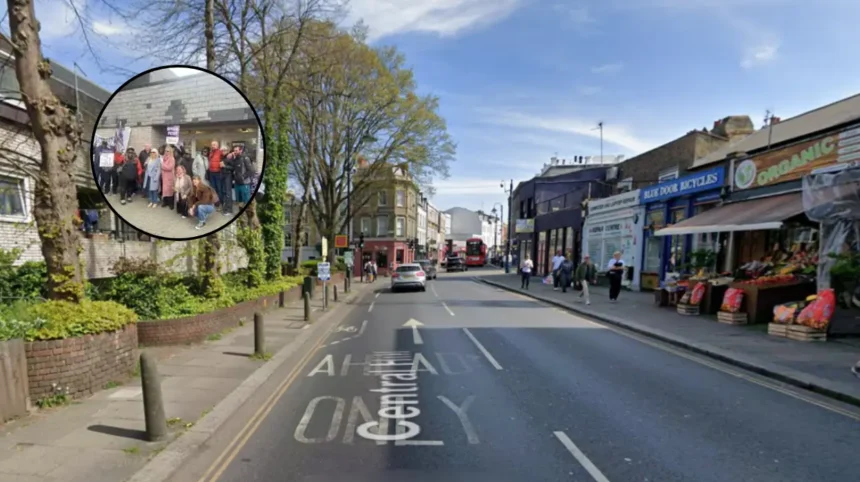
- Staff at the Central Hill Estate facility in Crystal Palace took industrial action to protect local jobs and preserve vital, specialized care services for vulnerable residents.
- Council leadership has committed to a comprehensive review of adult social care provisions and deeper consultation with affected families before any further actions are taken.
- The suspension of the closure plans marks a major, albeit temporary, victory for trade unions and grassroots community campaigns in South London.
Lambeth Council (South London News) June 4, 2026 – The newly appointed leadership of Lambeth Council has intervened to issue an immediate suspension of controversial plans to shut down the borough’s sole dedicated day care facility for residents living with dementia. The decision brings a sudden halt to a brewing political crisis that had culminated in industrial action by local authority staff.
- Key Points
- What Prompted the Immediate Pause on the Central Hill Dementia Centre Closure?
- How Did Trade Unions and Community Advocates Force a Council U-Turn?
- What is the Council’s Proposed Strategy Moving Forward?
- Background of the Central Hill Dementia Care Centre Dispute
- Prediction: How This Development Will Affect Lambeth Residents and the Care Sector
The u-turn comes directly from the desk of the newly elected Leader of Lambeth Council, Councillor Claire Holland. It responds directly to weeks of escalating community resistance, public petitions, and formal strike action initiated on May 14 by members of the Unison trade union based at the day care centre on the Central Hill Estate in Crystal Palace.
Local authority officials have confirmed that the planned closure will be paused indefinitely while the council conducts a thorough re-evaluation of its adult social care strategy. This reassessment will place a specific focus on maintaining specialized, localized support networks for families navigating dementia diagnoses.
What Prompted the Immediate Pause on the Central Hill Dementia Centre Closure?
The decision to halt the closure followed an intense, coordinated campaign by frontline care workers, trade union organizers, and the families of those relying on the Central Hill facility. As reported by local government correspondent Robert Firth, the proposal to shutter the site had drawn widespread criticism for leaving Lambeth without a specialized, council-run day space dedicated exclusively to dementia patients.
According to statements released by Unison, the workforce voted overwhelmingly for industrial action after consultation processes failed to reassure staff about job security or alternative care provisions for service users.
The strike, which began in mid-May, successfully disrupted standard operations and drew intense regional media scrutiny to the borough’s fiscal and social care choices.
In an official briefing note distributed to council members and shared with local press agencies, Lambeth Council Leader Claire Holland stated:
“It is vital that we listen to our communities, our workforce, and the families who rely on these essential services. I am announcing an immediate pause on the proposals for the Central Hill dementia day care centre to ensure we can undertake a comprehensive, transparent review of how we deliver the highest quality adult social care across Lambeth.”
How Did Trade Unions and Community Advocates Force a Council U-Turn?
The escalation to industrial action on May 14 proved to be the decisive turning point in the dispute. As documented by regional industrial relations writer Sarah Deech, Unison members positioned themselves outside the Central Hill Estate facility, establishing picket lines that garnered visible support from local residents and passing motorists.
Union representatives argued that closing the centre would force vulnerable, elderly residents to travel significantly longer distances to access fragmented, non-specialized community hubs, or worse, face total isolation at home.
The staff’s primary demands centered on absolute guarantees against compulsory redundancies and the preservation of the unique, tailored care environment they had established at Crystal Palace.
Commenting on the effectiveness of the strike action, Unison Lambeth Branch Secretary Ruth Cashman stated to reporters on the scene:
“Our members took a brave stand to defend a crucial service that provides dignity to people living with dementia and vital respite for their carers. This pause shows the power of collective action, but we remain vigilant. We need a permanent commitment to keep this centre open and fully funded, not just a temporary reprieve.”
What is the Council’s Proposed Strategy Moving Forward?
With the closure plans officially on hold, the local authority faces the challenge of addressing its long-term adult social care budget while satisfying community demands. Lambeth Council has indicated that it will establish an independent cross-party working group to analyze the financial viability of the Central Hill site alongside alternative service delivery models.
Cabinet Member for Health and Adult Social Care, Councillor Jim Dickson, emphasized that the council’s long-term goal remains the modernization of services, though he conceded that the previous implementation strategy lacked sufficient community consensus.
As recorded in municipal meeting minutes, Councillor Dickson clarified the administration’s revised stance:
“The pause will allow us to co-produce a future vision for dementia care in Lambeth alongside service users, their loved ones, and our staff. We want to ensure that whatever model we progress with has the full confidence of the people it is designed to support.”
Background of the Central Hill Dementia Care Centre Dispute
The friction surrounding the Central Hill Estate day care centre is deeply rooted in long-standing fiscal pressures facing local government authorities across London. For nearly a decade, Lambeth Council has had to balance a declining central government funding allocation against a sharp, demographic rise in demand for complex adult social care and mental health services.
The Central Hill facility itself is situated within a 1970s-era housing estate that has been the subject of separate, highly contentious council regeneration and redevelopment plans for several years.
This geographic intersection fueled community anxieties that the closure of the care centre was less about care optimization and more about clearing the estate grounds for broader structural redevelopment.
Historically, the centre has functioned as an essential lifeline for South London families. It has provided specialized cognitive therapies, structured social activities, and professional oversight that allowed individuals with advanced dementia to remain living in their communities rather than transitioning prematurely into expensive, full-time residential care homes.
Previous attempts to modify the service had consistently met with local resistance, but the May 14 strike marked the first time the dispute transformed into formal, open industrial warfare.
Prediction: How This Development Will Affect Lambeth Residents and the Care Sector
This immediate pause will have immediate, tangible ramifications for several distinct groups across the borough and the wider social care sector:
- For Service Users and Family Carers: Families currently relying on the Central Hill facility will experience a critical, immediate period of stability. The pause ensures that vulnerable individuals will not face the psychological disruption of being relocated or losing their established routines in the coming months. Carers will continue to receive the predictable, localized respite hours necessary to maintain their own employment and personal well-being.
- For Frontline Council Staff and Unions: The decision will bolster the confidence of local trade unions. Having successfully leveraged a strike into a policy reversal, Unison and allied labor groups are likely to approach the upcoming consultation periods from a position of enhanced strength, potentially setting a precedent for how other London boroughs handle targeted cuts to social infrastructure.
- For Lambeth Council Leadership: The administration of Leader Claire Holland will face intense scrutiny over how it bridges the gap between its stated progressive values and its budgetary realities. If the subsequent review concludes that the centre must still close or merge, the political fallout could be significantly more severe, having already paused the process once.
- For the Wider South London Community: This development highlights a growing resistance to the consolidation of specialized healthcare services. It signals to neighboring boroughs that attempts to streamline or centralize niche care facilities, such as dedicated dementia hubs, face intense operational and reputational risks if enacted without deep, upfront community alignment.