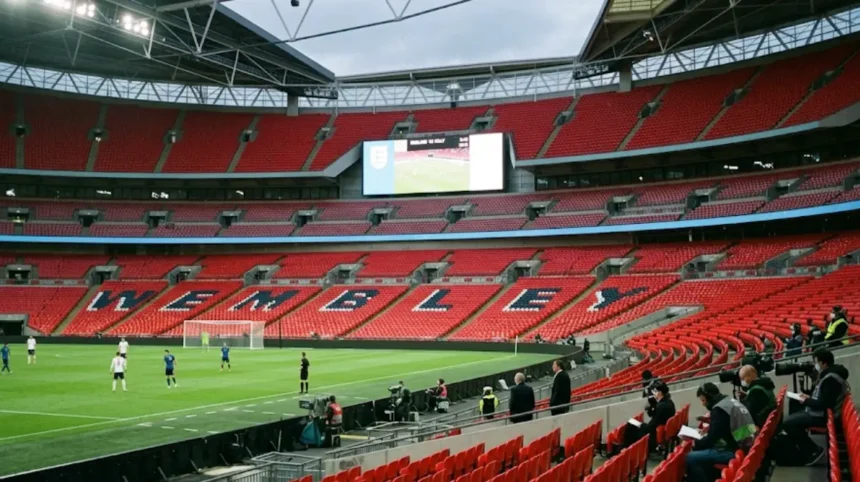
England behind closed doors refers to England national football team matches played without spectators in the stadium, usually as punishment for fan misconduct or due to UEFA sanctions. This unprecedented situation has occurred multiple times in England’s football history, creating surreal empty-stadium experiences for players and minimal attendance comprising only officials, media, and team staff. The most notable instances include the 2018 Croatia match and the 2022 Italy Nations League game, both resulting from disciplinary breaches involving England supporters. South London fans, particularly Crystal Palace supporters, understand the unique atmosphere of football matches and recognize how empty stadiums fundamentally change the experience.
- What Does “Behind Closed Doors” Mean in England Football?
- Why Did England Have to Play Behind Closed Doors Matches?
- Which England Matches Have Been Played Behind Closed Doors?
- How Do Behind Closed Doors Matches Impact England Players and Performance?
- What Are UEFA’s Rules and Sanctions for Behind Closed Doors Matches?
- How Does Playing Behind Closed Doors Affect England Fans and Supporters in South London?
- What Happens During a Behind Closed Doors Match at Wembley or Other Stadiums?
- How Do Behind Closed Doors Matches Compare to COVID-19 Bio-Secure Games?
- What Are the Future Implications for England and UEFA Disciplinary Policy?
What Does “Behind Closed Doors” Mean in England Football?
The term “behind closed doors” describes matches where spectators cannot enter the stadium to watch, resulting in crowdless games with only players, officials, media, and security present. According to UEFA’s Disciplinary Regulations Article 66, such matches permit maximum 200 visiting club ticket holders, 75 people per team delegation, accredited journalists, police officers, security staff, stadium infrastructure workers, 75 UEFA representatives, and VIP ticket holders. This definition applies across multiple sports but is most commonly associated with association football.
The Football Association (FA) faces these sanctions when England supporters engage in misconduct including pitch invasions, throwing objects, disrupting national anthems, or creating unsafe stadium conditions. The 2021 Euro 2020 final at Wembley Stadium between England and Italy triggered the most significant behind-closed-doors punishment, with ticketless individuals breaching stadium entry and confronting law enforcement. For South London residents living near Wembley or traveling to major tournaments, understanding these sanctions helps explain match accessibility changes.
Behind closed doors matches differ from bio-secure pandemic games played during COVID-19. Pandemic restrictions resulted from public health concerns rather than disciplinary sanctions, though both scenarios produce empty stadiums.
Why Did England Have to Play Behind Closed Doors Matches?
England played behind closed doors due to UEFA sanctions imposed for fan misconduct at the Euro 2020 final, where ticketless supporters breached Wembley Stadium and engaged in disorder. UEFA’s Control Ethics and Disciplinary Body concluded the English Football Association lacked order and discipline inside and around the stadium on July 11, 2021, when Italy defeated England 3-2 on penalties after a 1-1 draw.
The disciplinary action mandated England host its next two UEFA competition matches behind closed doors, with the second match suspended for a probationary period of two years. UEFA also fined the FA €100,000 (approximately £84,560) for invasion of the playing field, throwing objects, and disruptions during national anthems.
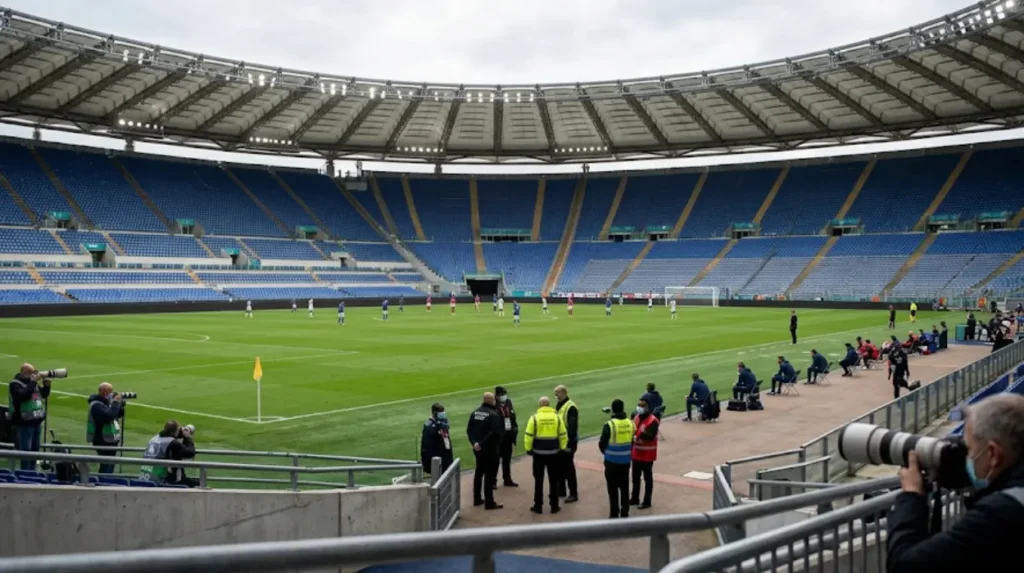
The first behind-closed-doors match occurred on June 11, 2022, when England faced Italy at Molineux Stadium in Wolverhampton during the UEFA Nations League 2022-23. The match ended 0-0, with Mason Mount hitting the bar in the first half and Aaron Ramsdale making two brilliant saves. Gareth Southgate, England’s manager at the time, described playing behind closed doors as “an embarrassment” following the crowd trouble incidents. South London football fans, including Crystal Palace supporters who regularly attend matches at Selhurst Park, understand how crowd energy drives player performance—making empty stadiums particularly damaging.
A second historical instance occurred on October 12, 2018, when England played Croatia in Rijeka behind closed doors. This match was Croatia’s second UEFA home match following a two-game sanction imposed after a swastika was marked on the pitch during a Euro 2016 qualifier against Italy. England and Croatia drew 0-0 in this surreal match, with the lack of supporters creating an underwhelming spectacle.
Which England Matches Have Been Played Behind Closed Doors?
Two England senior international matches have been played behind closed doors: the 2018 Croatia Nations League match in Rijeka and the 2022 Italy Nations League match at Molineux Stadium. The Croatia match was England’s 988th senior international since 1872 and their first behind-closed-doors game due to UEFA sanctions against the hosts. The Italy match was England’s first home behind-closed-doors match resulting from sanctions against the English Football Association itself.
The 2018 Croatia match took place on October 12, 2018, at Rujevica Stadium in Rijeka, Croatia. The empty stadium held approximately 8,000 capacity but attracted only officials, media, and team staff. Both teams failed to score, with the match producing only a handful of chances due to the surreal atmosphere.
The 2022 Italy match occurred on June 11, 2022, at Molineux Stadium in Wolverhampton, England. Molineux normally holds 31,750 spectators but was completely empty except for essential personnel. The goalless draw continued England’s poor Nations League performance, with the team remaining without a win in that tournament cycle. South London residents tracking England’s performance through BBC and Sky Sports coverage noted how the empty stadium affected match intensity compared to typical home games.
A third match, England vs Hungary at home on June 14, 2022, carried a suspended sanction that was never activated due to England’s compliance during the probationary period.
How Do Behind Closed Doors Matches Impact England Players and Performance?
Behind closed doors matches significantly reduce player motivation and performance due to eliminated crowd energy, altered psychological dynamics, and diminished competitive intensity. Players report feeling unusual pressure without vocal support while managers struggle to maintain tactical focus in empty stadiums. The October 2018 Croatia match produced “only a handful of chances” and an “underwhelming spectacle” precisely because supporters were absent.
Aaron Ramsdale’s performance against Italy in June 2022 demonstrated how individual excellence can persist despite empty stadiums. The England goalkeeper made two brilliant saves despite the match lacking atmosphere. Mason Mount’s effort hitting the bar in the first half showed attacking intent remained present, though the goalless 0-0 result indicated reduced overall effectiveness.
Gareth Southgate explicitly stated that playing behind closed doors was “an embarrassment,” reflecting the psychological burden on managers responsible for team performance in sanction-driven circumstances. The absence of 30,000+ typical home supporters at Molineux removed the psychological advantage England normally enjoys at home matches. South London Crystal Palace fans understand this dynamic intimately—Selhurst Park’s 25,486-capacity stadium generates significant home advantage through crowd energy, making empty matches particularly challenging.
Tactical adaptation becomes necessary as players cannot rely on crowd energy during late-game fatigue. Without vocal encouragement, maintaining intensity for 90 minutes requires increased internal motivation. The Croatia match demonstrated this through its cautious, low-chance nature.
What Are UEFA’s Rules and Sanctions for Behind Closed Doors Matches?
UEFA’s Disciplinary Regulations Article 66 mandates specific quotas for personnel allowed at behind-closed-doors matches unless the competent disciplinary body decides otherwise. The regulation permits maximum 200 people holding top-category tickets from the visiting club or association, 75 people per team delegation including players, accredited journalists, police officers with specific security tasks, stadium infrastructure staff, 75 UEFA representatives, and UEFA partners holding complimentary VIP tickets.
UEFA’s disciplinary body imposes behind-closed-doors sanctions for lack of order and discipline inside and around stadiums, pitch invasions, throwing objects, and disruptions during national anthems. The sanction typically includes one mandatory behind-closed-doors match plus one suspended match with a two-year probationary period.
The €100,000 fine accompanying behind-closed-doors sanctions represents significant financial punishment for football associations. This fine equals approximately £84,560, creating additional budgetary pressure beyond the sporting sanction.
UEFA’s Ethics and Disciplinary Inspector conducts thorough investigations before recommending sanctions. The inspector examines video evidence, witness statements, and security reports to determine the severity of misconduct and appropriate disciplinary response.
Suspended sanctions remain inactive if the football association demonstrates compliance during the probationary period. England’s second match against Hungary on June 14, 2022, was suspended and never activated due to the FA’s improved conduct.
How Does Playing Behind Closed Doors Affect England Fans and Supporters in South London?
England fans face complete exclusion from behind-closed-doors matches, preventing them from watching their national team live despite typically purchasing tickets for home games. The 2022 Italy match at Molineux Stadium excluded all paying spectators, eliminating the £50-£100 typical ticket revenue per fan and preventing thousands from attending. South London fans traveling from areas like Camberwell, Brixton, Peckham, and Dulwich face significant travel costs to reach away matches, making excluded access particularly disappointing.
The embarrassment factor affects fan morale significantly. Gareth Southgate’s public statement that playing behind closed doors was “an embarrassment” resonated with supporters who felt ashamed of the misconduct triggering the sanction. Fans distinguish between their support and the minority engaging in disorder, yet bear collective punishment. South London Crystal Palace supporters, known for responsible fan behavior at Selhurst Park, particularly feel this collective shame when distant from the actual misconduct.
Travel plans become wasted when fans journey to stadiums only to find matches played empty. The 2018 Croatia match in Rijeka saw English supporters unable to attend despite booking travel months earlier. This financial loss compounds the disappointment of missing the match. South London residents who plan international travel for England matches face compounded losses from cancelled flights and accommodation costs.
Fan communities organize protests and awareness campaigns following behind-closed-doors sanctions to demonstrate responsible supporter culture. These initiatives aim to prevent future sanctions by showing UEFA that England fans reject misconduct by minority groups. South London football communities, including local supporter groups in Brixton and Peckham, have participated in these campaigns to rebuild England fan reputation.
The suspended sanction mechanism creates anxiety among fans watching their second match potentially occur behind closed doors. England fans monitored the June 14, 2022 Hungary match closely, relieved when the suspension remained inactive.
Explore More Area Guide
Best Shopping Areas and Markets in Bromley for Tourists and Visitors
What Historic Places Should Tourists Visit in Bromley? Top Heritage Sites Guide
What Happens During a Behind Closed Doors Match at Wembley or Other Stadiums?
During behind-closed-doors matches, stadiums operate with minimal personnel: players, referees, medical staff, media crews, security teams, and stadium infrastructure workers, with no paying spectators admitted. Molineux Stadium normally holds 31,750 fans but operated with approximately 200-300 total people during the June 2022 England-Italy match.
Broadcast coverage continues normally with television cameras capturing the match for millions of viewers worldwide. The BBC, Sky Sports, and ITV provide full coverage despite empty stadiums, ensuring fans watch remotely. South London residents can watch these matches through standard broadcast channels, with local pubs in areas like Camden and Shoreditch often hosting viewing parties despite the empty stadium context.
Security teams maintain heightened presence around stadiums to prevent unauthorized entry attempts. During the 2021 Euro 2020 final, ticketless individuals breached Wembley Stadium, triggering the subsequent sanctions. Security protocols became stricter for behind-closed-doors matches.
Stadium infrastructure workers ensure pitch quality, lighting, and facilities function normally despite no spectators. These workers maintain the venue’s operational standards identical to regular matches.
Media crews position themselves in standard broadcast locations, capturing player interviews, match action, and post-match analysis. Journalists accredited by UEFA and national associations receive access despite the closed-door restriction.
The atmosphere feels surreal to players experiencing empty stadiums. Norwegian midfielder Leon Bailey described the Croatia match as “weird” with no crowd noise to energize play.
How Do Behind Closed Doors Matches Compare to COVID-19 Bio-Secure Games?
Behind-closed-doors matches result from disciplinary sanctions for fan misconduct, while COVID-19 bio-secure games stem from public health restrictions preventing large gatherings. Both scenarios produce empty stadiums, but the underlying causes and regulatory frameworks differ significantly.
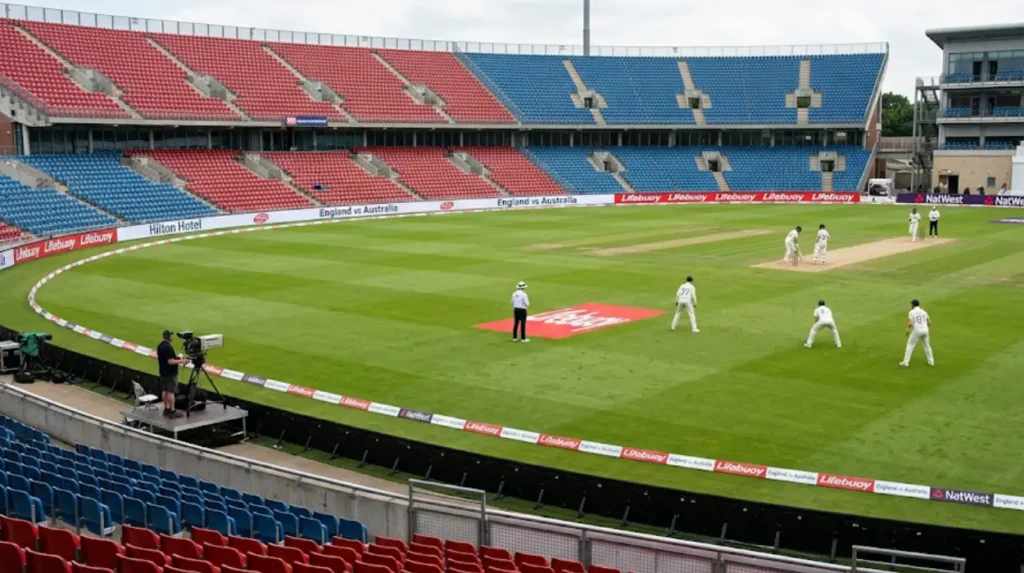
COVID-19 bio-secure matches occurred globally between 2020-2022, affecting England’s home matches against Australia (September 2020 tests) and West Indies (July 2020 tests). These matches maintained identical behind-closed-doors personnel quotas but resulted from health authorities rather than UEFA disciplinary bodies.
UEFA sanctions for fan misconduct include specific fines (€100,000) and probationary periods (two years). COVID-19 restrictions included no fines because no disciplinary breach occurred.
The England-Australia September 2020 tests occurred in “bio-secure” conditions with strict testing protocols, quarantine requirements, and limited personnel movement. Behind-closed-doors sanctions like the 2022 Italy match required no health protocols beyond standard safety measures.
Pandemic games resumed gradually with limited crowds before full capacity returns. Disciplinary behind-closed-doors matches remain completely closed until the sanction period ends, with no gradual reopening permitted.
What Are the Future Implications for England and UEFA Disciplinary Policy?
Future England behind-closed-doors matches depend on fan behavior at major tournaments, with UEFA maintaining strict sanctions for misconduct while implementing preventative measures. The two-year probationary period from the 2021 Euro 2020 final concluded in 2023, meaning England faces new sanctions if misconduct occurs.
UEFA enhanced stadium security at major tournaments following the 2021 Wembley disorder. Ticketing systems now include stricter identity verification, and entry points feature expanded security screening to prevent ticketless breaches.
The FA invested £5 million in security operations for the 2024 Champions League final at Wembley, demonstrating improved prevention capabilities. However, this security collapsed within minutes when pitch invasions occurred, showing ongoing vulnerability.
England fans organized responsible supporter campaigns post-2021 to demonstrate community commitment and reduce future sanction risks. These initiatives aim to reconstruct fan reputation and prevent collective punishment for minority misconduct. South London football communities continue participating in these campaigns, with local supporter groups in areas like Brixton and Peckham promoting responsible attendance.
UEFA’s disciplinary body continues investigating misconduct at all matches, maintaining consistent sanction application regardless of tournament importance. The 2022 Nations League sanction demonstrated that even non-major-tournament matches receive full disciplinary response.
The suspended sanction mechanism encourages football associations to maintain compliance during probation periods. England’s successful avoidance of the second behind-closed-doors match against Hungary proved this system’s effectiveness.
What does “behind closed doors” mean in England football?
Behind closed doors” refers to football matches played without spectators in the stadium. Only players, coaches, officials, media personnel, security staff, and essential workers are allowed to attend. These matches are usually the result of disciplinary sanctions or exceptional circumstances such as public health restrictions.