Bromley offers a strong mix of high-street retail, indoor mall shopping, and a long-running street market. For visitors, it works as a practical South London shopping destination with easy transport links, familiar brands, and a compact town-centre layout.
- What makes Bromley a shopping destination?
- Where is the main shopping area in Bromley?
- What is The Glades in Bromley?
- When does Bromley Charter Market run?
- What can you buy in Bromley’s markets?
- Which shops suit visitors best?
- What hidden activities are near the shops?
- How should you plan a shopping trip?
- Why does Bromley still matter now?
- Which keywords define Bromley shopping?
- Final perspective
What makes Bromley a shopping destination?
Bromley is one of South East London’s main retail centres, combining a pedestrianised High Street, The Glades shopping centre, and Bromley Charter Market in one walkable town core. That mix gives tourists, residents, and business travellers a simple place to shop, eat, and spend spare time.
Bromley developed as a market town and later expanded into a major suburban centre. Its modern shopping offer reflects that history, with the retail core still centred on the High Street and the main mall. The result is a destination that covers everyday needs, fashion, gifts, and food in a relatively small area.
The town also suits different types of visitors. Tourists find a practical base with predictable facilities. Local residents use it for weekly errands and seasonal purchases. Digital nomads and business travellers benefit from cafes, service stores, and a town centre that stays active through the day.
As you explore the modern town centre, you are also crossing land with a deeper historical background. Read about the full [Bromley market town heritage article] to understand its origins.
Where is the main shopping area in Bromley?
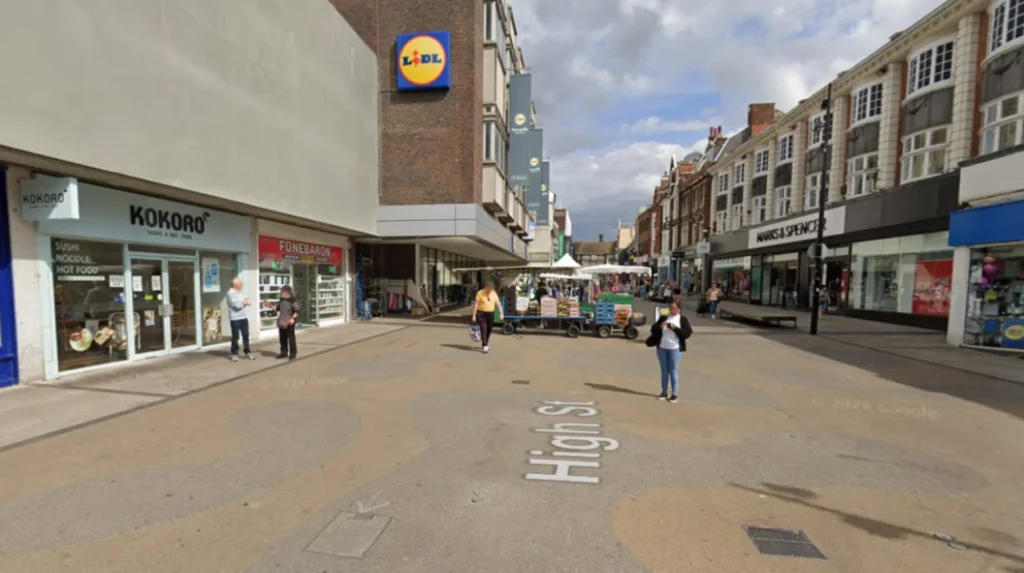
The main shopping area is Bromley town centre, especially the pedestrianised High Street and The Glades shopping centre. These two areas form the core retail zone, supported by nearby side streets, cafés, service shops, and the Bromley Charter Market on selected days.
Bromley High Street is the most important commercial spine. It concentrates national chains, convenience stores, personal services, and food outlets in a central walkable corridor. That makes it easy to move between errands, lunch, and browsing without needing transport.
The Glades shopping centre adds an enclosed mall setting. It suits visitors who want weather-proof shopping, familiar brands, and a compact layout. For people spending a half-day in Bromley, the combination of the High Street and The Glades creates a complete town-centre shopping trip.
Bromley also works well for short visits because the retail area is concentrated rather than scattered. That improves efficiency for travellers with limited time, especially those pairing shopping with lunch or a local attraction.
What is The Glades in Bromley?
The Glades is Bromley’s main indoor shopping centre, serving as the town’s principal mall and one of its best-known retail landmarks. It anchors the modern shopping offer with multiple high-street brands, services, and everyday essentials under one roof.
The centre is a key part of Bromley’s retail identity. It supports shoppers who prefer an indoor environment and gives the town centre a clear focal point. Its role is practical as well as commercial, because it draws footfall into the wider retail area.
For visitors, The Glades is useful when the weather is poor or when a quick, predictable shopping stop is needed. It also works for work breaks and downtime between meetings because it is central and easy to access from the rest of the town.
The mall complements, rather than replaces, the High Street. That balance matters because it gives Bromley a layered retail structure: indoor retail, street retail, and market trading all operating in the same town centre.
When does Bromley Charter Market run?
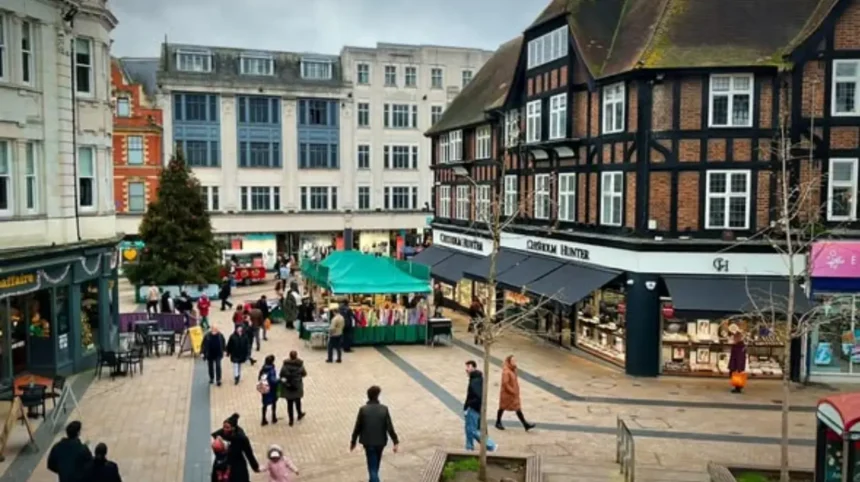
Bromley Charter Market runs on Tuesday, Thursday, and Saturday on Bromley High Street. It is one of the town’s oldest trading traditions and remains a key part of the local shopping scene, especially for food, clothing, and general goods.
Markets matter because they bring variety that chain stores do not always offer. Bromley Charter Market sells food, confectionery, clothing, jewellery, and other practical items. That makes it useful for bargain hunters, casual browsers, and residents looking for everyday purchases.
For tourists, the market adds local character to a Bromley visit. It gives a more authentic street-level experience than a mall alone. For residents, it provides a regular shopping rhythm that fits into the weekly routine.
The market also helps explain Bromley’s long commercial life. Town-centre shopping here is not a recent invention. It builds on a historic trading pattern that has shaped the area for generations.
What can you buy in Bromley’s markets?
Bromley’s market trading focuses on practical, everyday purchases, including food, confectionery, clothing, and jewellery. Visitors also find seasonal items and low-cost goods that suit quick shopping trips, gift buying, and casual browsing.
The main strength of a market is choice across price points. Shoppers can compare stalls quickly, which makes it easier to find value. Markets also suit people who want something different from the standard chain-store offer.
Food is a major draw because it gives visitors an immediate reward during a shopping visit. Clothing and accessories add another layer, especially for travellers who need last-minute items. Jewellery and small gifts make the market useful for souvenir shopping too.
A market visit works best when paired with the rest of the town centre. Shoppers can move from stalls to mall stores and then to cafés without leaving the core retail district.
Which shops suit visitors best?
The best visitor-friendly shops in Bromley are the brands, service stores, and everyday retailers clustered around The Glades and the High Street. These areas suit tourists and business travellers because they offer familiar shopping, simple navigation, and fast access to food and essentials.
For short-stay visitors, convenience matters more than novelty. That is why the town centre’s standard retail mix works so well. It reduces planning time and makes shopping efficient.
Visitors who need practical items such as toiletries, travel accessories, gifts, or replacement clothing usually find what they need in the central retail area. The mall format also helps because it groups shops together and makes comparison easy.
Business travellers often prefer the same area because it is predictable. A compact town centre makes it easier to fit shopping into a lunch break or an evening walk after work.
What hidden activities are near the shops?
Bromley’s shopping area links easily to cafés, pubs, cinemas, parks, and other town-centre amenities. That makes it useful for visitors who want more than retail, because they can combine shopping with food, rest, and local exploring in one trip.
A strong shopping district is rarely just about buying items. It is also about the surrounding experience. Bromley’s town centre supports that because it offers places to stop, eat, and recharge between stores.
This matters for digital nomads and leisure travellers. A workable shopping area needs seating, food options, and a calm enough setting for short breaks. Bromley’s central layout supports those needs better than a purely car-based retail park.
The result is a town centre that works as a full day out, not just a transaction point. That is a useful distinction for anyone planning a flexible visit.
How should you plan a shopping trip?
A good Bromley shopping trip starts with the High Street, continues through The Glades, and includes the market if it is open. That sequence gives visitors the widest choice, the best chance of finding value, and the simplest route through the town centre.
Tuesday, Thursday, and Saturday are the best days for market shopping because Bromley Charter Market runs on those days. A morning arrival gives you more time to compare stalls and then move into the mall or side streets.
If you want the most efficient route, begin with the area that interests you most. Market shoppers should start on the High Street. Brand-focused shoppers should begin at The Glades. Visitors with limited time should keep the whole trip within the central retail core.
Planning around opening times also helps. It is easier to combine shopping with lunch or transport connections when you keep the visit compact and central.
Explore More Area Guide
What Historic Places Should Tourists Visit in Bromley? Top Heritage Sites Guide
Best Walking Routes and Nature Trails in Bromley for Tourists and Residents
Why does Bromley still matter now?
Bromley remains important because it serves several audiences at once: residents, visitors, workers, and day-trippers. Its retail core combines history, convenience, and variety, which keeps it relevant in a shopping market shaped by online retail and changing leisure habits.
Many town centres struggle when retail shifts online. Bromley stays competitive because it offers more than standard retail. It provides a market, a mall, a high street, and a practical urban setting in one place.
That matters for the future of local centres. Places that mix shopping with services and social use tend to stay resilient. Bromley fits that pattern because it is not only a shopping district but also a working town centre.
For travellers, that resilience means reliability. They can expect a functioning retail hub rather than a single-purpose shopping strip.
Which keywords define Bromley shopping?
The strongest search terms around Bromley shopping are “Bromley shopping centre,” “Bromley High Street,” “The Glades Bromley,” and “Bromley Charter Market.” These phrases match how people search for retail, market days, and visitor-friendly shopping in the town.
For SEO purposes, the topic works best when it covers both location and intent. People search for practical answers such as where to shop, when the market opens, and what the main centre includes. That is why a broad article should cover all three shopping pillars: High Street, mall, and market.
Bromley also benefits from related local terms such as “South London shopping,” “market town,” “independent shops,” and “town centre.” These phrases help search engines understand the article’s wider context.
Strong semantic coverage improves visibility for both human readers and AI systems. It also reduces the risk of missing the exact query phrase a searcher uses.
Final perspective
Bromley works as a complete shopping destination because it combines a historic market, a major indoor shopping centre, and a busy High Street in one compact town centre. That structure gives visitors choice, convenience, and a clear reason to spend time there.
For tourists, Bromley offers an easy retail stop within South London. For residents, it remains a dependable everyday shopping base. For business travellers and digital nomads, it provides efficient errands and useful downtime in a central setting.
Its long-term strength comes from variety. Markets, malls, and street shopping each serve a different need, and Bromley brings them together in one place. That combination keeps the town relevant for both local life and visitor planning.
What is the main shopping centre in Bromley?
The main shopping centre in Bromley is The Glades, an indoor retail destination featuring major high-street brands, services, dining options, and everyday shopping facilities in the heart of the town centre.