Lewisham gives tourists a strong alternative to central London because it combines major cultural venues, large parks, local markets, and neighbourhood dining in one borough. Its appeal rests on easy day-trip access, free or low-cost attractions, and a more local visitor experience than the West End or the South Bank.
- What makes Lewisham worth visiting?
- Which attractions are best for first-time visitors?
- Where can tourists go for green space?
- Which cultural venues should visitors choose?
- Where can visitors eat and drink locally?
- How should tourists plan a day in Lewisham?
- How does Lewisham fit broader London travel?
- What is the clearest reason to go?
What makes Lewisham worth visiting?
Lewisham suits visitors who want culture, green space, food markets, and independent venues without the congestion of central London. It offers free museums, historic parks, live performance spaces, and neighbourhoods that feel lived-in rather than purely touristic. The borough sits in south-east London and has been recognised for its cultural life, including its year as London Borough of Culture in 2022.
That matters because many tourists want variety, not just landmarks. Lewisham gives them that variety in a compact area. A visitor can spend the morning in a museum, lunch at a market, and the afternoon in a park or gallery without moving far across the city. The borough also works well for digital nomads and business travellers because several of its cafés, pubs, and market spaces are built around daytime social use and flexible stopping points.lewisham.
Which attractions are best for first-time visitors?
The strongest first-time stops are the Horniman Museum and Gardens, Beckenham Place Park, Brockley Market, The Albany, and Deptford Market Yard. These sites cover Lewisham’s main tourist strengths: heritage, outdoor space, food, performance, and independent retail in one easy circuit. They are also among the borough’s most established visitor draws and appear repeatedly in official and major travel guides.
The Horniman Museum and Gardens is one of south London’s best-known free attractions. It combines anthropology, natural history, musical instruments, and landscaped gardens with city views. Beckenham Place Park is the borough’s largest green space at 96 hectares in Visit London’s guide, with ancient woodland, a swimming lake, and a Georgian mansion. Brockley Market is an award-winning weekend market that focuses on seasonal street food and local produce. The Albany in Deptford adds theatre, music, dance, and spoken-word programming, while Deptford Market Yard offers independent shops, cafés, and studios around the station arches.
As you explore the modern site, you are crossing land with a deep heritage. Read about the full [Lewisham’s historical and cultural background] to understand its origins.
Where can tourists go for green space?
Lewisham has some of London’s most useful green spaces for relaxed sightseeing, exercise, and downtime. Beckenham Place Park, Hilly Fields, Chinbrook Meadows, and the Horniman gardens all give tourists open space, views, and easy walking routes close to local transport. These places matter because many visitors want a break from dense central London streets but still want to stay inside the city.
Beckenham Place Park is the headline option. The official park site describes it as 96 hectares of parkland with cafés, playgrounds, cycle routes, walks, a BMX and skate park, swimming lake, and nature trails, and says the park is open 24 hours a day, 365 days a year. Lewisham Council also describes it as the borough’s largest green space, covering 98 hectares, with extensive ancient woodland and pedestrian access at all times. That makes it suitable for long walks, running, swimming, and picnic stops.
Hilly Fields is another strong choice for visitors who want views over London. Local and travel guides highlight its hilltop setting, café, and open space. Chinbrook Meadows adds a family-friendly mix of open grass, a restored natural river, playgrounds, and sports facilities. The Horniman gardens are smaller than Beckenham Place Park but deliver a museum-linked landscape and clear skyline views.
Which cultural venues should visitors choose?
Tourists who want culture beyond the centre should prioritise The Albany, Goldsmiths Centre for Contemporary Art, Lewisham Arthouse, and the Broadway Theatre. These venues cover live performance, contemporary exhibitions, artist-led work, and listed theatre architecture in a single borough. They give visitors a fuller picture of south-east London’s cultural life than standard city-centre sightseeing.
The Albany is one of Lewisham’s most important performance venues. Visit London describes it as a performing arts centre in Deptford with a history stretching back to the 19th century and a current programme spanning dance, music, theatre, and spoken word. Goldsmiths Centre for Contemporary Art in New Cross is a free gallery space for world-class contemporary exhibitions, housed in a Grade II-listed former Victorian bathhouse. Lewisham Arthouse is an artist-run cooperative in a former Carnegie library and adds workshops and local exhibitions to the borough’s arts scene.
The Broadway Theatre in Catford gives another layer of cultural interest. Visit London identifies it as a Grade II-listed theatre built in 1932, with comedy, plays, awards nights, and film screenings. For visitors, this mix matters because it creates a realistic evening plan without needing to go back to central London. It also supports travellers staying nearby who want low-friction entertainment after work or sightseeing.
Where can visitors eat and drink locally?
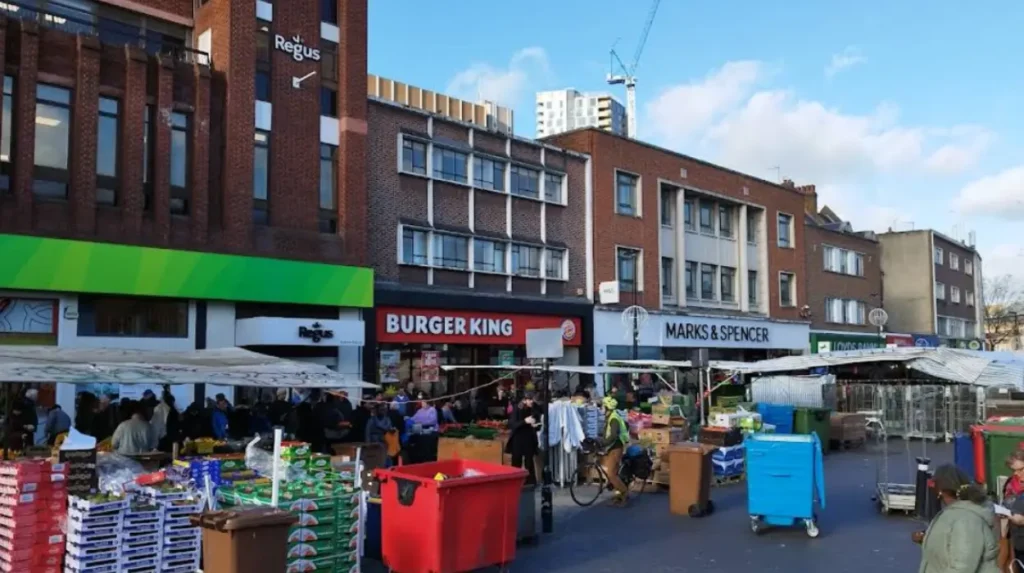
Lewisham’s food and drink scene is built around markets, cafés, breweries, pubs, and informal neighbourhood restaurants. Brockley Market, Deptford Market Yard, local breweries, and characterful pubs give visitors a broad choice from daytime brunch to evening drinks. This is one of the borough’s biggest strengths because it supports both leisure travellers and people working remotely.
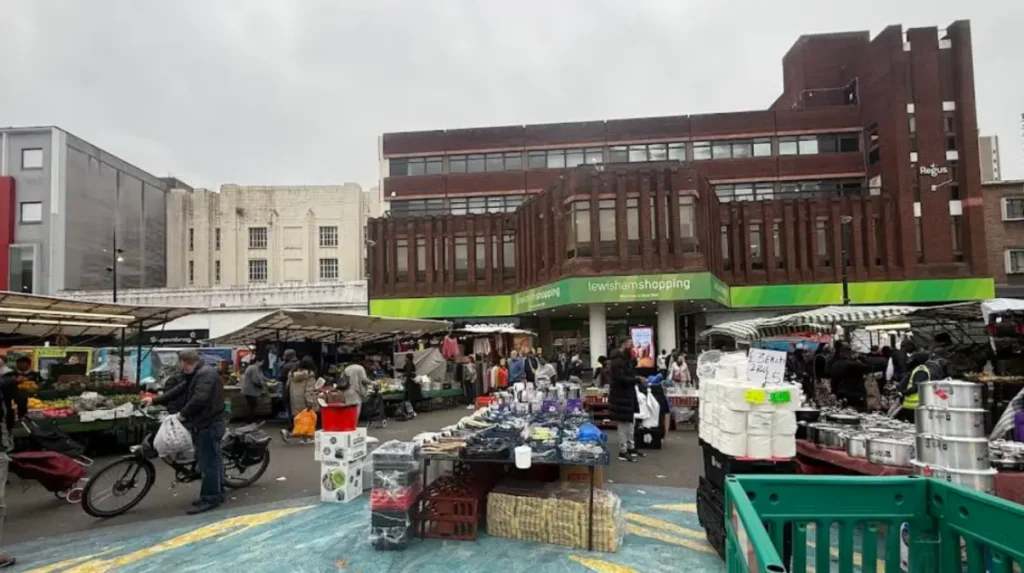
Brockley Market is a strong start for food-focused visitors. Visit London describes it as an award-winning weekend market with locally sourced produce and artisan small producers. Deptford Market Yard adds independent shops, cafés, bars, and restaurants under the railway arches, which gives the area a compact and walkable food circuit. The borough also has a growing craft beer scene, with Visit London naming Little Faith, Villages, and London Beer Dispensary among the standouts.
Lewisham Council’s 2025 visitor guide also points to brunch and social dining spots such as Break The Fast, Maggie’s, Pristine Eats Café CIC, Snuffle Dog Café, Marchetti, Amrutha, Taro, Everest Inn, Fera, Trattoria Raffaele, Badger Badger, Sylvan Post, Fox and Firkin, Joyce, and The Chandos. That list shows how broad the borough’s hospitality offer has become. For tourists, the practical result is simple: there is no need to stay near central London restaurants to find high-quality meals or relaxed work-friendly venues.
How should tourists plan a day in Lewisham?
A practical Lewisham day starts with one major attraction, adds a food stop, then ends with either a park, gallery, or evening venue. This structure keeps travel time low and makes the borough easy to explore without rushing between districts. Lewisham works best when visitors choose one area at a time rather than trying to cover the whole borough in a single sweep.
A simple heritage-and-leisure day could begin at the Horniman Museum and Gardens, move to lunch at Brockley Market or a nearby café, and finish with time in Beckenham Place Park. A culture-led day could start at Goldsmiths Centre for Contemporary Art, continue through Deptford Market Yard, and end with a performance at The Albany or Broadway Theatre. A slower day for business travellers or remote workers could include brunch in Crofton Park or Deptford, a laptop session in a café, and a late afternoon walk in Hilly Fields or Chinbrook Meadows.
The borough is also practical because several of these locations have strong public transport links and sit within established neighbourhoods rather than isolated tourist zones. That makes Lewisham more efficient than many outer areas for visitors who want to see more than one type of attraction in a day. The key is to cluster activities by neighbourhood, not by attraction type alone.
How does Lewisham fit broader London travel?
Lewisham fits broader London travel as a south-east base with culture, green space, and local commerce that complements central London rather than repeats it. It works for repeat visitors, residents acting like tourists, and travellers who want a more authentic borough-level experience. The borough’s 2022 culture year strengthened its profile, but its everyday appeal remains rooted in accessible parks, free museums, and independent venues.
For tourists, that means Lewisham is not a substitute for central London’s headline landmarks. It is a different kind of destination. Visitors come here for neighbourhood depth, shorter queues, and lower-pressure planning. That is why the borough suits people who have already seen the major central sights and want a second layer of London with parks, galleries, markets, and local dining.
For residents, Lewisham also works as a hidden leisure district. Hilly Fields, the Horniman, Deptford Market Yard, and Beckenham Place Park give a strong weekend route without leaving south-east London. For digital nomads and business travellers, the area’s cafés, pubs, and market venues make it easy to mix work and downtime in one place. That combination gives Lewisham long-term value as a travel base, not just a day-trip stop.
What is the clearest reason to go?
Lewisham gives tourists a complete London experience outside the centre: free cultural institutions, major parks, independent food spots, and local performance venues in one connected borough. It rewards visitors who want variety, practicality, and a calmer pace without losing access to the city. That is the main reason it stands out in south-east London.
The borough’s strongest attractions are not isolated. They work together. Museum visits connect to gardens, markets connect to lunch, and cultural venues connect to evening plans. That structure makes Lewisham especially effective for modern travel habits, where visitors want one area that supports sightseeing, eating, walking, and flexible working. For a broad audience, that is the clearest answer to what tourists can do here beyond central London.
Is Lewisham worth visiting for tourists?
Yes. Lewisham offers a mix of museums, parks, markets, theatres, galleries, and local dining venues, providing a more neighbourhood-focused experience than central London.