Visitors experience the real Lambeth by leaving the South Bank promenade and walking into neighbourhoods like Brixton, Waterloo, Vauxhall, Kennington and Herne Hill, where independent markets, community parks, local cafés and cultural venues reveal everyday life in this South London borough. These areas sit within the London Borough of Lambeth, which stretches from the Thames at Waterloo and Vauxhall down to Streatham and West Norwood. The borough holds 30 Green Flag parks, runs major markets such as Brixton Market and Lower Marsh Market, and hosts institutions including the Imperial War Museum, the Garden Museum and the O2 Academy Brixton.
- What defines “the real Lambeth” for visitors?
- Which Lambeth neighbourhoods feel most authentic to visitors?
- What makes Brixton a key area for authentic Lambeth experiences?
- How do Waterloo and Lower Marsh reveal everyday Lambeth?
- Why are Vauxhall and Kennington important for local life?
- What distinguishes Herne Hill and Tulse Hill as local neighbourhoods?
- How do Lambeth’s markets help visitors experience local culture?
- Which parks and green spaces show everyday life in Lambeth?
- Where can digital nomads and remote workers find work‑friendly spaces in Lambeth?
- How can visitors get around Lambeth using public transport?
- What cultural venues in Lambeth offer authentic local experiences?
- Which food and drink scenes reflect everyday Lambeth life?
- How can visitors plan a realistic day that feels like local life in Lambeth?
- What practical tips help visitors experience Lambeth like a local?
What defines “the real Lambeth” for visitors?
“The real Lambeth” means everyday places where residents live, shop, eat and socialise, rather than only the major tourist landmarks along the river. It includes high streets with independent shops, weekend markets, neighbourhood parks, local pubs, libraries, grassroots arts spaces and community events that reflect Lambeth’s diverse population. These spots show how the borough functions beyond the London Eye, County Hall and the National Theatre.
Lambeth is a central South London borough with a long history as a riverside settlement, an agricultural area and later an industrial and cultural hub. Historic England records show use of the land from early medieval times, with Lambeth Palace developed from the 1300s and major growth in the 18th and 19th centuries. As you explore the modern site, you are crossing land with a deep heritage. Read about the full [Lambeth borough history and heritage timeline] to understand its origins.
Today, Lambeth combines dense urban neighbourhoods with large green spaces. The council manages 30 Green Flag Award parks and open spaces, including Brockwell Park, Clapham Common, Kennington Park, Vauxhall Pleasure Gardens and Streatham Common. These parks are used daily by locals for walking, sport, playgrounds and community gardening, making them central to the “real” experience of the borough.
Which Lambeth neighbourhoods feel most authentic to visitors?
Brixton, Waterloo, Vauxhall, Kennington and Herne Hill feel most authentic because they host independent businesses, community markets, local venues and everyday routines that residents rely on. Each area has a distinct character shaped by its history, demographics and built environment. Visitors who spend time in these neighbourhoods see how Lambeth works beyond the main tourist attractions.
What makes Brixton a key area for authentic Lambeth experiences?
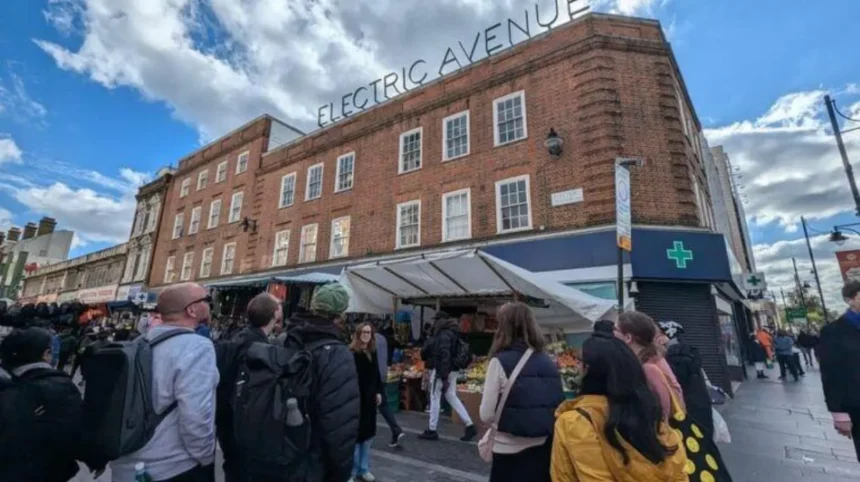
Brixton operates as a cultural and commercial hub for South London, centred on Electric Avenue, Brixton Station Road and the covered arcades of Market Row, Granville Arcade and Reliance Arcade. Brixton Market holds over 80 licensed pitches offering fresh produce, clothing, household goods and international street food. The market runs Monday to Saturday, with a Sunday farmers’ market on Station Road selling organic and free‑range produce.
Brixton’s identity is shaped by Caribbean migration, music, food and grassroots culture. The Black Cultural Archives in Brixton documents Windrush generation histories and contemporary Black British life. Music venues such as the O2 Academy Brixton and the Ritzy Cinema host major gigs and independent film screenings. The David Bowie mural on Electric Avenue marks Brixton’s place in UK music history.
How do Waterloo and Lower Marsh reveal everyday Lambeth?
Waterloo and Lower Marsh sit between the South Bank cultural complex and residential Lambeth. Lower Marsh Market, run by “We Are Waterloo”, operates Monday to Saturday with weekday street food and produce stalls and a Saturday flea and handmade market. This market sits away from the main tourist flow and attracts local shoppers, creatives and small traders.
Waterloo hosts independent cafés, small galleries and community spaces around St John’s Churchyard and the surrounding streets. St John’s Waterloo runs concerts, theatre and community arts programmes, including the annual Waterloo Festival. The area shows how Lambeth blends major cultural institutions with small-scale, resident-focused activity.
Why are Vauxhall and Kennington important for local life?
Vauxhall functions as a transport and residential hub with a mix of high-rise development, historic pubs and green spaces. Vauxhall Pleasure Gardens occupies the site of the original 17th‑century pleasure gardens, which closed in 1859 and later became public parkland. The modern park hosts outdoor cinema, festivals and community events and holds both Green Flag and Green Heritage awards.
Kennington centres on Kennington Park, The Oval cricket ground and a network of local pubs and cafés. Kennington Park is a Green Flag Heritage park with sports facilities, playgrounds and mature trees. The Oval has hosted international cricket since 1880 and remains a focal point for local sport and events. These spaces anchor daily life for residents and offer visitors a view of Lambeth beyond central London tourism.
What distinguishes Herne Hill and Tulse Hill as local neighbourhoods?
Herne Hill and Tulse Hill sit on the northern edge of Brockwell Park and function as “village-like” zones within zone 2. They feature independent shops, cafés, schools and community halls serving long-term residents. Herne Hill Market runs on Sundays with artisan food and produce stalls, while nearby Brockwell Park provides green space for sport, walking and socialising.
These areas show a slower, residential side of Lambeth compared with Brixton or the South Bank. Visitors who walk from Herne Hill station through the park to Tulse Hill see a typical South London neighbourhood with local schools, parks and small businesses rather than tourist attractions.
How do Lambeth’s markets help visitors experience local culture?
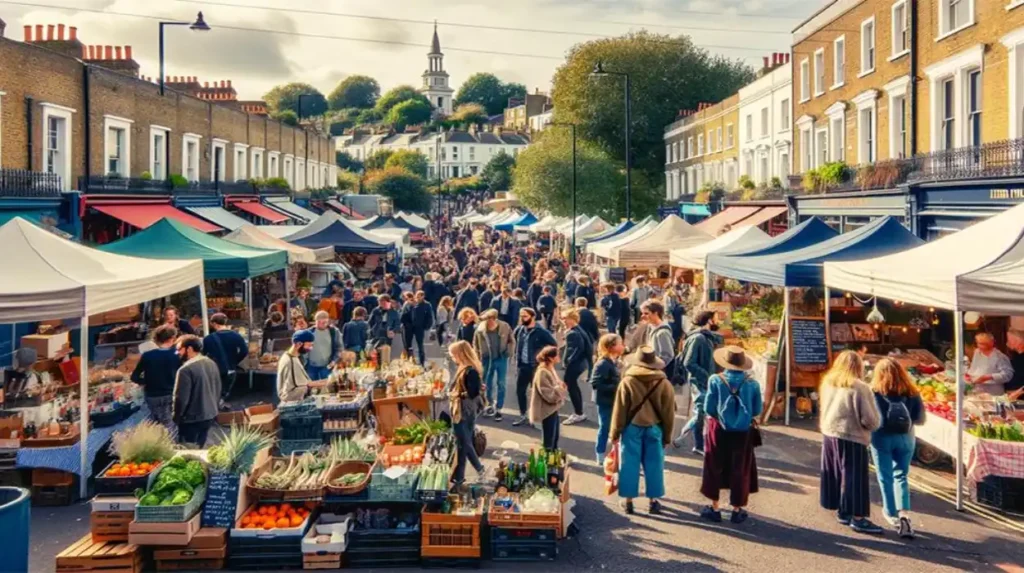
Lambeth’s markets let visitors buy food, meet traders and observe local routines in spaces that residents use every week. The borough runs or licenses markets including Brixton Market, Lower Marsh Market, Herne Hill Market, Venn Street Market, Oval Market and West Norwood Feast. These markets sell fresh produce, street food, clothing, homewares and handmade goods, reflecting Lambeth’s cultural diversity.
Brixton Market operates seven days a week in different forms: weekday general market and street food, Saturday themed stalls and Sunday farmers’ market. Traders must be set up by 8am on most days, with a 3pm close on Wednesdays and 7pm on Fridays. This schedule creates a consistent rhythm of local commerce that visitors can step into.
Lower Marsh Market focuses on weekday street food and weekend flea and handmade stalls, attracting local workers, creatives and families. Herne Hill Market and Venn Street Market serve nearby residents with artisan food and street food on weekends. West Norwood Feast offers evening street food and entertainment in a residential setting. These markets show how Lambeth residents shop, eat and socialise outside central London.
Which parks and green spaces show everyday life in Lambeth?
Lambeth’s 30 Green Flag parks and open spaces provide the everyday backdrop for walking, sport, play and community events that define local life. Brockwell Park, Clapham Common, Kennington Park, Vauxhall Pleasure Gardens, Streatham Common and Ruskin Park are among the most used. These spaces are not only tourist photo stops but active community assets.
Brockwell Park opened to the public in 1892 on the grounds of Brockwell Hall and includes ponds, woodland, meadows, sports facilities and a walled garden. It holds Green Flag, Green Heritage, “Park of the Year” and “Walled Garden of the Year” awards. Locals use it for jogging, football, tennis, community greenhouses and summer events, including past large-scale gatherings such as Gay Pride in the 1990s.
Kennington Park and Clapham Common similarly host sports pitches, playgrounds, cafés and community activities. Vauxhall Pleasure Gardens combines historic landscape with modern programming, including outdoor cinema and festivals. Smaller spaces such as Archbishop’s Park, Myatt’s Fields Park and Palace Road Local Nature Reserve offer quieter green pockets near residential and business areas. Visitors who spend time in these parks see how Lambeth residents use green space daily.
Where can digital nomads and remote workers find work‑friendly spaces in Lambeth?
Digital nomads and remote workers find work‑friendly spaces in Lambeth through independent cafés, library reading rooms and co‑working hubs located in Brixton, Waterloo, Vauxhall and around the South Bank. These venues offer Wi‑Fi, power sockets and a local atmosphere suitable for focused work.
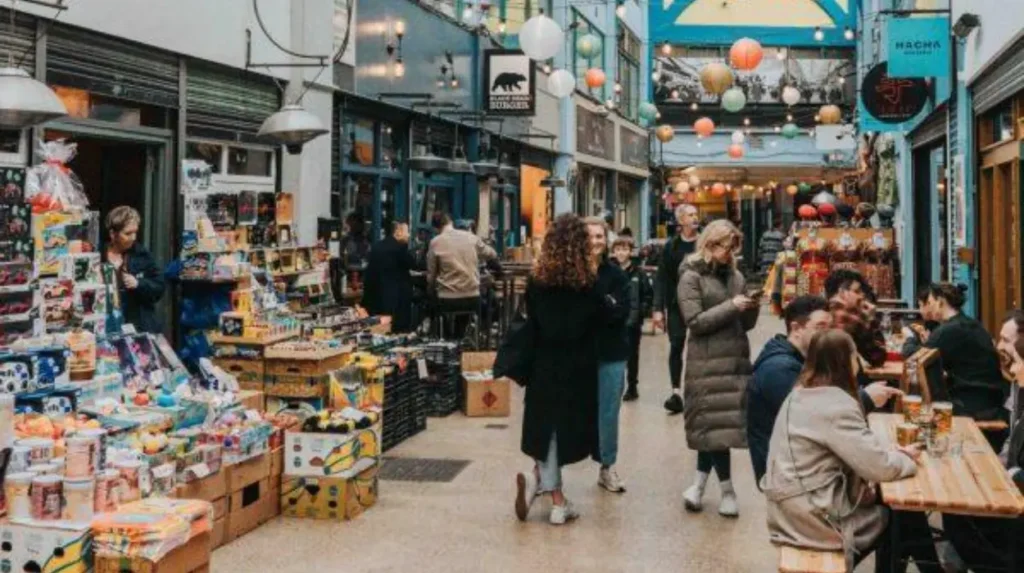
Independent cafés in Brixton Village, Market Row and Lower Marsh often welcome laptop users during off‑peak hours. Federation Coffee in Brixton Village, Four Corners Cafe on Lower Marsh and Park’s Edge Bar & Kitchen overlooking Brockwell Park are examples of venues that combine quality coffee with a relaxed environment. Many of these cafés sit within or next to market arcades, allowing workers to step out for lunch at street food stalls.
Co‑working spaces near Lambeth provide bookable desks, meeting rooms and community events. Waterloo and Vauxhall host several shared offices targeting freelancers, startups and remote employees. Lambeth libraries, including those in Brixton, Waterloo and Streatham, offer free Wi‑Fi and quiet study areas, making them practical options for short-term work sessions. Visitors who combine work sessions with local breaks experience Lambeth as a living, working borough rather than a pure tourist destination.
How can visitors get around Lambeth using public transport?
Visitors get around Lambeth using London Underground, buses, rail and walking, with major interchanges at Waterloo, Vauxhall, Brixton and Elephant & Castle. Transport for London lists 10 Tube stations, two London Overground stations and around 560 bus stops across the borough, plus 77 day bus routes. This network connects Lambeth’s neighbourhoods to central London and to each other.
The Northern, Victoria, Bakerloo, Jubilee and Waterloo & City lines serve stations including Waterloo, Vauxhall, Brixton, Kennington, Oval, Stockwell and Clapham North. National Rail services at Waterloo, Vauxhall and Clapham Junction link the borough to South East England and beyond. Buses provide dense coverage, with routes such as the 1, 12, 40, 53, 63, 68, 148, 155, 171, 172, 176, 188 and 343 running through key Lambeth corridors.
Within Lambeth, walking and cycling are practical for short trips between neighbourhoods and parks. The Thames Path connects Waterloo, Lambeth Palace and Vauxhall, while routes through Brockwell Park, Clapham Common and Kennington Park link residential areas. Using these modes allows visitors to experience streets, markets and parks at a human scale rather than only viewing the borough from main roads.
What cultural venues in Lambeth offer authentic local experiences?
Cultural venues such as the Imperial War Museum, the Garden Museum, the Cinema Museum, the Old Vic, the National Theatre and the O2 Academy Brixton provide authentic local experiences through history, art, performance and community programming. These institutions sit within Lambeth’s everyday landscape and attract both residents and visitors.
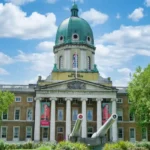
The Imperial War Museum London, located near Lambeth North, presents Britain’s military and civilian history through immersive exhibitions and personal stories. The Garden Museum on Lambeth Palace Road occupies the former St Mary-at-Lambeth church, one of the oldest Christian worship sites in Britain, and displays gardening tools, tombs of botanists such as Captain William Bligh and the Tradescants, and seasonal exhibitions. The Cinema Museum in a former Victorian workhouse showcases film posters, props and equipment, with screenings and events.
The Old Vic theatre, founded in 1818 and relaunched by Lilian Baylis in 1912, hosts major productions and community projects. The National Theatre on the South Bank presents world-class drama and experimental work. The O2 Academy Brixton remains a landmark music venue for international and emerging artists. These venues operate year-round and form part of the cultural fabric that Lambeth residents engage with regularly.
Which food and drink scenes reflect everyday Lambeth life?
Lambeth’s food and drink scenes reflect everyday life through independent restaurants, street food markets, local pubs and specialist cafés that serve residents daily. Brixton Village and Market Row host Afro‑Caribbean, Latin American, Asian and British concepts, including Franco Manca sourdough pizza, Fish, Wings & Tings and Honest Burgers. Weekend street food pop-ups in Brixton Market draw local crowds.
Mercato Metropolitano near Elephant & Castle, though just over the border, ties closely into Lambeth’s food culture with sustainable, community-focused dining and live music. Pubs such as The Black Prince in Kennington, The Three Stags near the Imperial War Museum and The Crown & Anchor in Brixton serve local ales, Sunday roasts and craft beer, acting as neighbourhood social hubs. Independent cafés like Federation Coffee, Four Corners Cafe and Park’s Edge Bar & Kitchen support remote work and local meet-ups.
These venues are not only tourist destinations but regular fixtures in residents’ weekly routines. Visitors who eat and drink in these spaces experience Lambeth’s multicultural population and local hospitality rather than only central London dining.
How can visitors plan a realistic day that feels like local life in Lambeth?
Visitors can plan a realistic day by combining a morning market visit, a park walk, a museum or cultural stop, an afternoon in a neighbourhood café or co‑working space and an evening at a local pub or music venue. This structure mirrors how many residents use the borough across a single day.
A sample day might start with coffee at Federation Coffee in Brixton Village and breakfast at a Brixton Market stall. A late morning walk up to Brockwell Park offers city views, ponds and green space used by locals. Lunch at Brixton Village or Mercato Metropolitano provides diverse street food in a social setting.
An afternoon visit to the Imperial War Museum or the Garden Museum adds historical depth, followed by a walk along the South Bank or through Lower Marsh. Evening drinks at a Vauxhall rooftop bar or a local pub such as The Three Stags or The Crown & Anchor, then a gig at the O2 Academy Brixton or a film at the Ritzy Cinema, completes a day rooted in Lambeth’s everyday cultural life.
What practical tips help visitors experience Lambeth like a local?
Practical tips include travelling outside peak tourist hours, using public transport and walking, visiting markets on weekdays or weekend mornings, and spending time in parks and neighbourhood high streets rather than only on the South Bank promenade. These choices reduce crowding and increase contact with local routines.
Visitors should check opening times for markets and venues, as some, like Brixton Market, have early weekday openings and Wednesday half-days. Parks such as Brockwell Park typically open from 7.30am until shortly before sunset, with seasonal facilities like paddling pools operating from late May to September. Using TfL’s journey planner helps identify direct bus and Tube routes between neighbourhoods.
Engaging with local events, such as markets, festivals, outdoor cinema and community arts programmes, further deepens the experience. Talking to residents, traders and venue staff often reveals additional recommendations for cafés, parks and hidden spaces that do not appear in mainstream guides.
By focusing on neighbourhoods, markets, parks and local venues, visitors experience the real Lambeth as a living South London borough with deep history, diverse communities and everyday cultural energy.