Key Points
- A pollution incident was reported in the River Pool in Beckenham, South London, with “very large numbers” of fish killed over the weekend.
- The Environment Agency and Thames Water are jointly investigating a 3km stretch of the river, centred on Cator Park, Bromley.
- Reports of dead fish were received on Sunday afternoon (28 June) and the cause of the incident remains undetermined.
- The incident has also affected critically endangered eels in the river, according to local monitoring.
- No official attribution has yet been made to a specific polluter or source.
- Thames Water and the Environment Agency have confirmed that site assessments and water sampling are underway.
- Local councils and community groups are expected to issue advice to residents and anglers about the river.
- The River Pool is part of the wider Ravensbourne catchment, which has experienced several pollution episodes in recent years.
- The incident has raised concerns about the health of the river ecosystem and the impact on biodiversity, including protected species.
- No immediate public health risk to drinking water has been reported, as the River Pool is not a source of potable supply.
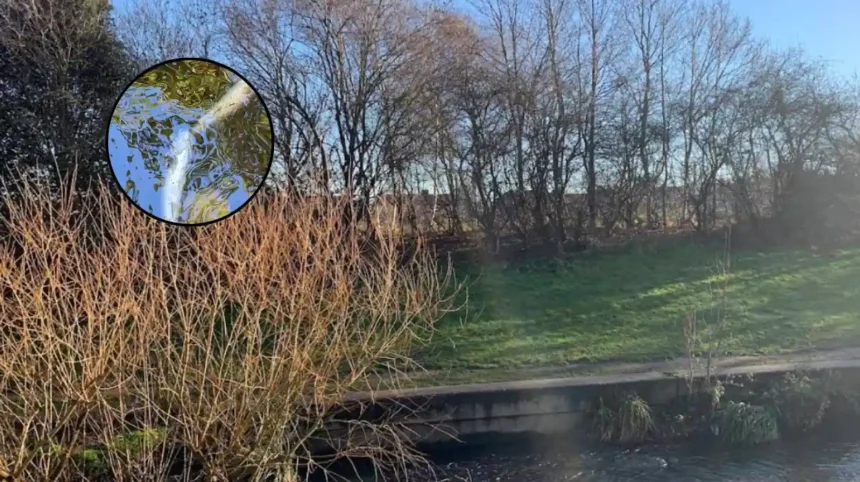
Beckenham (South London News) July 2, 2026. A pollution incident in the River Pool in Beckenham has caused the death of “very large numbers” of fish over the weekend, with critically endangered eels also among the casualties, according to reports received by the Environment Agency. The cause of the pollution remains undetermined, and both the Environment Agency and Thames Water are investigating a 3km stretch of the river, centred on Cator Park in Bromley, after reports of dead fish were made on Sunday afternoon (28 June).
- How did authorities respond to the River Pool pollution reports on 28 June?
- What is known about the species affected in the River Pool incident?
- Have Thames Water and the Environment Agency identified a source yet?
- What advice is being given to residents and anglers in Beckenham and Bromley?
- How does this incident fit into the wider picture of river pollution in south-east London?
- What are the next steps for the investigation and monitoring of the River Pool?
As reported by the myLondon News team covering South London, the Environment Agency confirmed that it had received multiple reports of dead fish in Cator Park on 28 June and that field officers were deployed to assess the extent of the damage.
The agency stated that the number of dead fish was “very large”, though it did not give an exact count at the time of reporting.
How did authorities respond to the River Pool pollution reports on 28 June?
As reported by myLondon News, the Environment Agency said it worked with Thames Water and local partners to secure the site and begin water sampling.
Thames Water confirmed that its pollution team and engineers were on site and that initial assessments were being carried out to identify where pollutants may have entered the river.
According to myLondon News, the两家机构 (Environment Agency and Thames Water) are jointly examining a 3km stretch of the River Pool, which runs through Bromley and Beckenham, before feeding into the wider Ravensbourne catchment.
The agency noted that the exact cause of the pollution “is yet to be determined” and that further investigation, including laboratory analysis of water samples, would be required.
What is known about the species affected in the River Pool incident?
Available reporting, including statements quoted by myLondon News, indicates that the incident has affected “very large numbers” of fish, with critically endangered eels also among the dead.
The River Pool is known to support a range of freshwater species, including bullhead, minnows, and various cyprinids, and is part of a catchment where eel populations have been monitored due to their protected status.
As reported by myLondon News, local environmental groups and fishery advisers have highlighted that the loss of eels in particular is significant, given their role in the river ecosystem and their status as a species under conservation pressure.
The Environment Agency has not released a full list of affected species, but it has acknowledged that the incident has had a measurable impact on native fish populations.
Have Thames Water and the Environment Agency identified a source yet?
As reported by myLondon News, both the Environment Agency and Thames Water have said that the cause of the pollution is still under investigation and that no source has been confirmed.
Thames Water stated that its pollution team is working with the Environment Agency to identify any potential points of entry for pollutants and to limit the environmental impact.
In previous similar incidents in south-east London, pollution has occasionally been traced to illegal discharges, industrial spills, or third-party contamination, as noted in reporting by the BBC and other outlets covering Thames Water pollution cases. However, at the time of this story, no such attribution has been made for the River Pool event.
What advice is being given to residents and anglers in Beckenham and Bromley?
As reported by myLondon News, local authorities and environmental agencies are expected to issue guidance to residents, anglers, and river users about the incident.
While the River Pool is not a source of drinking water, the Environment Agency may advise people to avoid contact with the water or fishing in affected stretches until further assessments are completed.
Angling clubs and local community groups in Beckenham and Bromley are likely to be contacted directly by the Environment Agency and Thames Water to coordinate access restrictions and to share information about the condition of the river.
This follows the pattern of earlier pollution incidents in the Ravensbourne system, where similar advice was issued to protect public safety and wildlife.
How does this incident fit into the wider picture of river pollution in south-east London?
The River Pool is part of the Ravensbourne catchment, which includes several tributaries such as Chaffinch Brook and Henhilly Brook.
Thames Water and the Environment Agency have previously investigated multiple pollution events in this area, including incidents where a “blue-coloured substance” entered the river and caused mass fish deaths, as reported by the BBC in 2021.
As reported by the BBC and other outlets, Thames Water has faced multiple fines and enforcement actions over the years for sewage escapes and pollution incidents across London, including high-profile cases in Aylesbury and other parts of the south-east.
While these cases are not directly linked to the Beckenham River Pool incident, they underline the repeated pressure on the river system from pollution and the ongoing need for robust monitoring and enforcement.
What are the next steps for the investigation and monitoring of the River Pool?
As reported by myLondon News, the Environment Agency and Thames Water will continue to monitor water quality along the affected stretch of the River Pool, including further sampling and laboratory analysis.
The agencies are expected to publish updates as new information becomes available, including any identification of the pollution source and assessments of long-term ecological damage.
Local councils in Bromley and Lewisham may also be involved in coordinating community communication and supporting local environmental groups, particularly those concerned with the protection of eels and other native species.
The Environment Agency has indicated that it will assess whether any enforcement action is required once the source of the pollution is identified.
Background of the development
This pollution incident follows a series of high-profile water quality problems in south-east London’s river network over the past decade.
The River Pool, which flows through Beckenham and Bromley before joining the Ravensbourne, has been subject to multiple pollution investigations, including a 2021 incident in which a blue substance killed scores of fish in nearby Chaffinch Brook, as reported by the BBC.
Thames Water and the Environment Agency have been involved in numerous enforcement cases related to sewage escapes and illegal discharges in the Ravensbourne catchment and other London rivers. These cases have included multi-million-pound fines and ongoing regulatory scrutiny, as noted in政府 (GOV.UK) announcements and reporting by the BBC and Bloomberg.
The Beckenham River Pool incident adds to this pattern of repeated environmental challenges in the area and highlights the ongoing tension between urban development, water infrastructure, and river ecology in south-east London.
Explore More Beckenham News
Police Hunt Missing 16-Year-Old Boy in Beckenham Place Park Lake
Kindred Exhibition at Bethlem Museum: Mental Health Art in South London
Prediction: how this development can affect local communities and river users
This incident is likely to affect several groups in Beckenham, Bromley, and the wider Ravensbourne catchment. Anglers and fishing clubs may face temporary restrictions on access to the River Pool, particularly along the 3km stretch under investigation, which could disrupt planned activities and events.
Local residents who use the river for recreation, such as walking along Cator Park and nearby green spaces, may be advised to avoid contact with the water, affecting their enjoyment of these areas.
Environmental groups and community organisations focused on river conservation, particularly those working on eel protection, may see this incident as a significant setback for biodiversity goals.
The loss of critically endangered eels could intensify pressure on Thames Water and the Environment Agency to strengthen monitoring and enforcement, potentially leading to tighter restrictions on discharges and increased investment in river restoration. At the same time, media attention on the incident may raise public awareness about river pollution and catalyse local campaigns for cleaner waterways in south London.