Key Points
- News Story: Save-our-pub intervention prevents the closure of a licensed micro-bar in Bexley.
- Core Issue: The Metropolitan Police and Licensing Authority initiated a standard review following severe allegations of drug abuse, illegal poker games, underage consumption, and a grievous bodily harm (GBH) assault.
- Resolution: Transfer of the premises licence to Tap Sidcup under entirely new operational leadership, implementation of strict surveillance measures, and staff structural changes.
- Regulatory Context: The London Borough of Bexley Licensing Sub-Committee reviewed the compliance profile under national licensing objectives to ensure public safety.
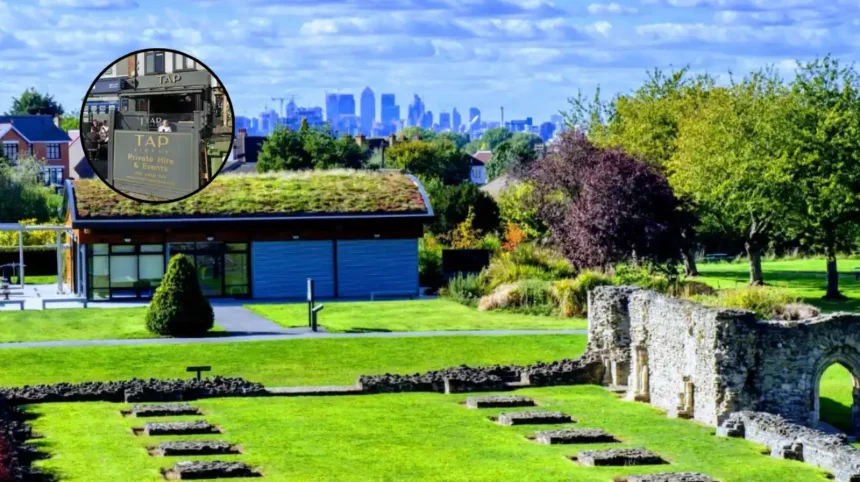
Bexley (South London News) July 8, 2026 – A South London venue facing complete closure following a series of serious police complaints—including an alleged all-night drug-fuelled poker game, underage drinking, and a violent glassing incident—has successfully secured its long-term future under entirely new corporate ownership. The Tap micro-bar, located at 3 Wellington Parade on Blackfen Road, Sidcup, was subject to an emergency operational review by the London Borough of Bexley’s Licensing Sub-Committee following multiple critical intervention entries submitted by the Metropolitan Police Service. Operational authorities had expressed grave concerns that the establishment was being run in direct violation of basic public safety laws. However, a complete structural overhaul, the introduction of a new independent licensee, and the implementation of a rigorous compliance infrastructure have satisfied local authorities, nullifying the immediate threat of permanent closure.
What Triggered the Emergency Licensing Review?
The administrative push to revoke the operating rights of the Blackfen Road micro-bar began following a succession of escalating public order and criminal incidents at the property during the spring of 2026.
According to official public governance reports published by the Open Council Network, the Licensing Authority formally convened a hearing on Thursday, 18 June 2026, to determine the operational viability of the local site.
The emergency review cited persistent failures across all four foundational statutory guidelines of the United Kingdom Licensing Act:
the prevention of crime and disorder, public safety, the prevention of public nuisance, and the protection of children from harm. Local municipal records show that the primary catalyst for the emergency intervention was a serious physical altercation that occurred on 20 March 2026.
During the March disturbance, emergency service dispatchers deployed units to the premises following reports of an active fight.
Responding police officers confirmed that a woman had been assaulted with a glass object inside the bar, sustaining injuries classified as grievous bodily harm (GBH). The severity of the wounding immediately brought the venue under strict regulatory scrutiny.
How Did the Illegal Gambling and Drug Allegations Surface?
While the initial glassing incident focused police attention on the management practices at Tap Sidcup, subsequent multi-agency investigations revealed deeper systemic operational problems.
As documented in the statutory review file compiled for the Bexley Licensing Sub-Committee, the Metropolitan Police Service reviewed internal closed-circuit television (CCTV) footage obtained directly from the site’s security storage drives.
The video evidence uncovered severe administrative non-compliance. Investigators recorded clear visual proof of organised, illegal high-stakes gambling rings operating directly inside the commercial venue.
Further complaints submitted by local residents and intelligence logs dated 10 April 2026 highlighted allegations of illicit all-night poker tournaments, where participants routinely consumed controlled substances while drinking alcohol outside the bar’s legally permitted hours.
The analytical reports presented to the sub-committee confirmed that the previous management structure, operating under the corporate designation Tap Drinking Limited, had completely lost physical control of the micro-bar.
The police representation explicitly stated that the venue was actively fostering an environment conducive to illegal drug taking, unchecked gambling, and unrestricted underage drinking, which collectively threatened the safety of the wider residential neighbourhood.
What Procedural Actions Saved the Venue from Closure?
At the point of the formal document compilation, the original licensee, Tap Drinking Limited, had failed to submit a formal legal response to the mounting statutory review application.
Facing the immediate threat of an outright permanent revocation of the premises licence, a swift financial and operational rescue package was coordinated behind the scenes to decouple the physical asset from its compromised management team.
The survival of Tap Sidcup was achieved via a complete transfer of the premises licence to a new, separate independent owner.
Under the freshly approved operating framework, the incoming ownership group has agreed to a comprehensive slate of binding operational conditions designed to structurally separate the pub from any historical figures associated with the previous management.
To satisfy the Metropolitan Police and local council regulators, the incoming proprietor has overhauled the establishment’s operational guidelines. The revised mandate includes:
- The immediate dismissal of the previous management and bar staff.
- A comprehensive upgrade of the digital CCTV network to eliminate visual blind spots, ensuring high-definition coverage of all communal spaces and self-service booths.
- The enforcement of strict “Challenge 25” age-verification protocols to systematically eliminate underage drinking.
- The total prohibition of any non-licensed card games, private poker configurations, or unauthorized after-hours assemblies.
Background of the Particular Development
The Tap Sidcup micro-bar originally opened its doors to the public on 13 May 2022, following a commercial conversion from a former pet shop unit on Wellington Parade.
Designed as a modern, high-tech variation of the traditional British pub, the site distinguished itself within the Bexley hospitality landscape by installing interactive, self-service beer booths.
Under this unique layout, patrons could rent independent seating pods and use pre-payment electronic cards to pour their own draught lager directly at their tables without waiting at the rear service counter.
While the concept was initially praised for bringing novelty and commercial diversity to the Blackfen area, the high-tech, booth-centric layout presented unexpected monitoring challenges for staff.
The structural design made it easier for illicit activities, such as the reported April poker rings and hidden drug consumption, to take place away from the immediate sightlines of the central bar counter.
The intervention by the Metropolitan Police reflects a wider, ongoing nationwide regulatory crackdown on independent micro-bars and suburban drinking establishments that fail to maintain adequate crowd monitoring systems.
Local authorities across Greater London have increasingly utilized emergency summary reviews to target independent venues where bad management practices allow regional criminal activities or serious anti-social behaviour to compromise community safety.
Explore More Bexley News
Bexley Teacher and Orchestra Conductor Wins Prestigious National Teaching Award
New Care Home and Flat Developments Revealed in Bexley 2026
Prediction: How This Development Affects the Local Community and Hospitality Patrons
The successful rescue and re-regulation of Tap Sidcup will directly alter the day-to-day social experiences, safety conditions, and commercial expectations of the local Blackfen and Sidcup population.
For the immediate neighborhood residents, particularly those living along Blackfen Road and Wellington Parade, the structural transition from an unmonitored nightspot into a strictly regulated micro-bar is expected to cause a sharp decline in localized anti-social behavior, late-night noise pollution, and street-level disturbances.
The implementation of rigid closing hours and the total elimination of all-night illegal poker tournaments will restore the traditional quiet character of the suburban commercial parade during the early morning hours.
For the local hospitality consumer base and the regular patrons of Tap Sidcup, the structural shift means a complete overhaul of the venue’s internal social atmosphere.
Patrons utilizing the self-service booths will experience a highly visible security presence, characterized by active staff oversight, rigid ID checking procedures, and zero tolerance for illicit gambling or recreational drug use.
While these tighter administrative controls may reduce the casual, completely hands-off appeal that originally characterized the self-pour booths under the old management, the enhanced public safety measures ensure that the venue remains a viable, secure, and legally compliant asset within the local night-time economy.
Ultimately, the survival of the site ensures that Sidcup retains a unique architectural and commercial social space, while demonstrating to the wider Southeast London hospitality industry that council compliance is a non-negotiable prerequisite for commercial survival.