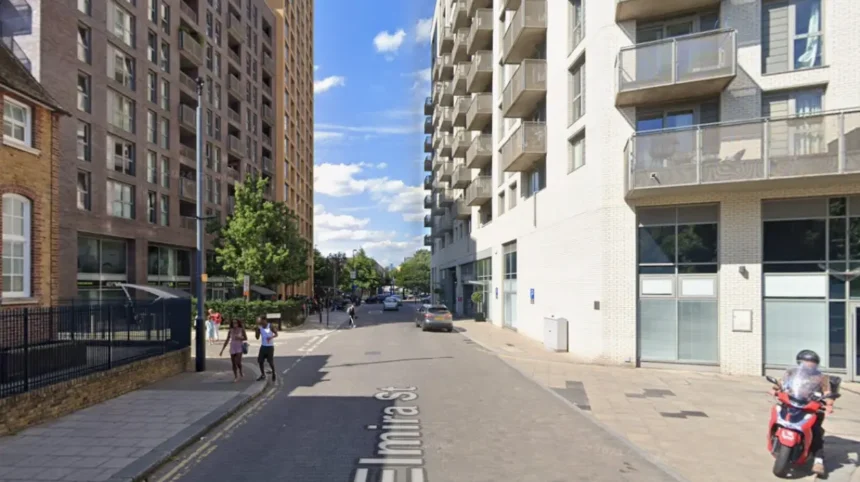
Lewisham combines nature, heritage, and modern living through its extensive green spaces, rich historical landmarks, vibrant cultural venues, and ongoing urban regeneration. The south London borough balances 900 hectares of parks with Grade II-listed buildings, independent arts hubs, and contemporary residential developments, creating a distinctive environment for tourists, residents, and visitors alike.
- What makes Lewisham unique among London boroughs?
- Which green spaces define Lewisham’s natural landscape?
- What historical landmarks preserve Lewisham’s heritage?
- How does Lewisham support arts and culture today?
- What modern amenities attract tourists and digital nomads?
- How does Lewisham balance urban development with environmental conservation?
- What practical information do visitors need for exploring Lewisham?
What makes Lewisham unique among London boroughs?
Lewisham stands out as London’s 2022 Borough of Culture, offering 900 hectares of green space alongside Victorian heritage sites, independent arts venues, and modern transport links. The borough maintains a suburban atmosphere while providing direct access to central London, featuring award-winning markets, craft breweries, and community-run cultural spaces.
The London Borough of Lewisham traces its origins to the 6th century when the Jute Leof settled in the area, establishing “Leofshema”. The name evolved through Levesham to the Lord Manor of Lewisham by the Saxon period. Today, the borough keeps this suburban character while hosting diverse attractions that contribute to its cultural identity.
Lewisham covers diverse neighbourhoods including Deptford, New Cross, Catford, Brockley, and Beckenham. Each area contributes distinct character: Deptford offers market yards under railway arches, New Cross houses contemporary art galleries, Catford features art deco theatres, and Brockley hosts award-winning weekend markets. The borough received the Mayor’s London Borough of Culture designation in 2022, recognising its creative density and community-led initiatives.
Which green spaces define Lewisham’s natural landscape?
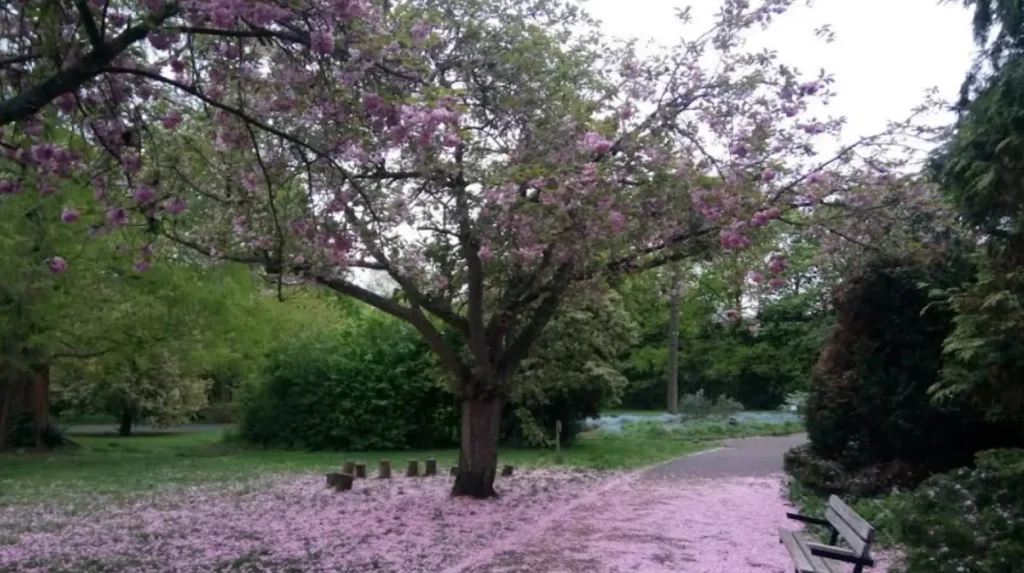
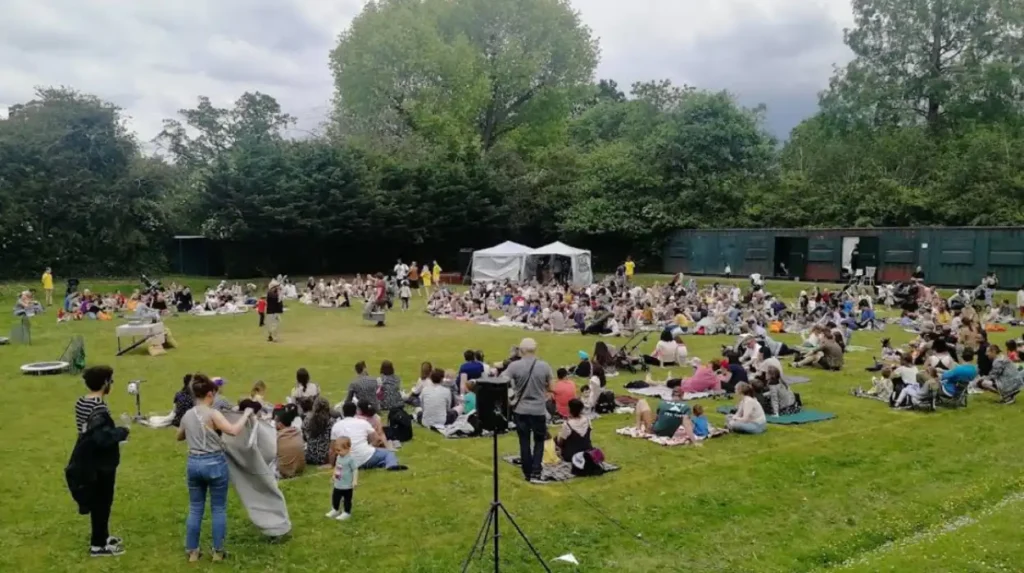
Lewisham contains 900 hectares of parks and open spaces, including Beckenham Place Park (96 hectares), Mountsfield Park (32 acres), and Telegraph Hill Park with panoramic London views. These spaces feature ancient woodland, swimming lakes, sports facilities, and children’s play areas serving both residents and visitors.
Beckenham Place Park stands as the largest green space in Lewisham at 96 hectares. The park features ancient woodland, London’s first purpose-built swimming lake, and a Georgian mansion housing artist studios and a café. Visitors use the space for leisurely strolls, escaping central London’s hustle while accessing south London’s natural retreat.
Mountsfield Park covers 32 acres and originated in 1845 as a wedding gift for Henry Tabbats Stainton from his father. Stainton’s widow gifted the land to the public in 1905. The park includes sports fields, children’s play areas, and hosts large borough events alongside its fields and flora.
Telegraph Hill Park offers what locals describe as South London’s answer to Primrose Hill. The park spans just under ten acres and splits into upper and lower sections. The upper park provides spectacular city views and remains the only section open to dogs. The lower park features children’s play areas, ball courts, and hosts a farmers’ market.
Manor House Gardens originated when Thomas Lucas laid out the grounds around Manor House in 1773. The property remained in private ownership until sale to the London County Council in 1898. The Council refurbished the grounds and opened them to the public in 1902. The eight-acre gardens feature a ball field, lake, ball courts, play areas, and a walled flower garden. The Grade II-listed house includes an elegant library.
What historical landmarks preserve Lewisham’s heritage?
Lewisham preserves heritage through Grade II-listed buildings, Victorian cemeteries, historic museums, and 19th-century performing arts venues that remain active today. Sites include Nunhead Cemetery (one of the Magnificent Seven), the Horniman Museum (opened 1901), and the Broadway Theatre (built 1932).
The Horniman Museum opened in 1901 and ranks among London’s finest natural history museums. The institution features extensive exhibits dedicated to anthropology, music, plants, and wildlife. A hands-on exhibit allows visitors to touch and interact with certain objects in the collection. The museum also hosts rotating exhibits and weekly events, remaining free to visit with beautiful gardens offering London skyline views.
Nunhead Cemetery stands as one of the “Magnificent Seven” Victorian cemeteries in London. The site features beautiful stone and marble monuments to eminent citizens interred there. Memorials to soldiers and political martyrs populate the grounds. The cemetery offers a great view of St. Paul’s Cathedral, attracting visitors despite its morse appearance.
The Broadway Theatre in Catford operates as a Grade II-listed art deco venue built in 1932. The theatre hosts performances ranging from comedy and plays to awards nights and film screenings. The building maintains its historic character while serving contemporary entertainment needs.
The Greenwich Foot Tunnel connects Millbank with Greenwich, opening in 1902 and running under the River Thames. Glass domes mark the entrance at either end. A sign states the tunnel is private property without a public right-of-way, yet approximately 4,000 people use it daily to cross the river. The historical footpath remains operational more than 120 years after construction.
As you explore the modern sites across Lewisham, you are crossing land with deep Saxon and Victorian heritage. Read about the full [heritage and historical development of Lewisham from Saxon settlement to Victorian expansion] to understand its origins and how the borough evolved from pastoral estate to urban centre.
How does Lewisham support arts and culture today?
Lewisham supports arts through community-run venues like Lewisham Arthouse, Goldsmiths Centre for Contemporary Art, The Albany in Deptford, and independent cinemas and breweries. These spaces host exhibitions, performances, workshops, and creative enterprises driven by the borough’s cultural diversity.
Lewisham Arthouse operates as a unique gallery run as a cooperative of local artists, situated in a Grade II-listed building on Lewisham Way. The former Carnegie library guarantees work on display ties directly to the community. Beyond exhibited works, the Arthouse regularly hosts artist exhibitions and concerts, supporting local creative production.
Goldsmiths Centre for Contemporary Art provides free, world-class contemporary art exhibitions in New Cross. The Grade II-listed Victorian bathhouse underwent reimagining by Turner Prize-winning architectural collective Assemble. The venue delivers accessible cultural programming in south London.
The Albany in Deptford functions as a performing arts centre with history stretching to the 19th century. The venue hosts dance, music, theatre, and spoken-word performances. Driven by south-east London’s cultural diversity and creative mix, The Albany emerged as a leading hub for artists, communities, and creative enterprises.
Deptford Cinema operates as an art gallery, music venue, and independent not-for-profit cinema. A Kickstarter campaign funded construction with the venue largely run by volunteers. Programming includes independent films and seasons dedicated to individual directors such as Terry Gilliam, Spike Lee, and Akira Kurosawa.
Dirty South functions as one of London’s top music halls and an iconic Lewisham performance venue. After sustaining damage in the 2011 London riots, the venue reopened as a pub and restaurant featuring American and Caribbean menu selections alongside North American beverages and bespoke cocktails.
What modern amenities attract tourists and digital nomads?
Lewisham attracts modern visitors through award-winning markets like Brockley Market, craft breweries including Little Faith and Villages, independent shops at Deptford Market Yard, and excellent transport connections. The borough offers artisan food producers, co-working-friendly cafés, and direct links to central London.
Brockley Market operates as Lewisham’s top shopping destination, especially for locally-sourced food and ingredients. The award-winning weekend market held in a car park ranks among London’s best spots for locally sourced produce from artisan and small producers. Beyond serving primarily as a farmers’ market, the venue offers extensive street food for breakfast, brunch, and lunch.
Deptford Market Yard hosts independent shops, restaurants, and cafés housed beneath the arches at Deptford station. The venue includes record shops, artisan florists, Little Nan’s cocktail bar, and seasonal British restaurant Dirty Apron. Design studios, a beauty salon, and yoga studio populate the arches, creating a mixed-use creative quarter.
Lewisham’s breweries provide tastes of south London through local craft beer production. Top picks include Little Faith and Villages in Deptford. Visitors can also try the best brews from south London and beyond at London Beer Dispensary in Crofton Park.
Living in Lewisham gives access to amenities ranging from local street markets and cultural venues to excellent travel connections. The borough maintains direct transport links to central London while offering a range of bars, restaurants, and things to do.
Explore More Area Guide
Best Rainy-Day Attractions in Lewisham for Tourists
Where Visitors Discover Lewisham’s Creative Scene in South London
How does Lewisham balance urban development with environmental conservation?
Lewisham balances development and conservation through its “A Natural Renaissance” strategy protecting 900 hectares of green space while approving town centre regeneration and sustainable housing projects. The borough implements planning policies ensuring new construction respects environmental assets and heritage character.
Lewisham Council maintains a core strategy development plan documenting how the borough approaches planning and regeneration. The strategy ensures development respects the suburban atmosphere while accommodating growth. Planning approval processes evaluate proposals against environmental conservation requirements and heritage preservation standards.
The borough’s “A Natural Renaissance for Lewisham” strategy (2021-2026) outlines commitments to enhancing and protecting green infrastructure. The document addresses how 900 hectares of parks and open spaces integrate with urban development. The strategy positions natural assets as central to the borough’s identity and quality of life.
Recent planning approvals demonstrate Lewisham’s approach to town centre transformation. The council grants permission for regeneration projects that modernise infrastructure while respecting existing character. Development proposals undergo scrutiny to ensure they contribute to the borough’s blend of nature, heritage, and modern living.
Parks for London recognises Lewisham’s approach to maintaining green space quality. The borough’s parks serve both conservation and recreation functions, providing habitats alongside sports fields, play areas, and event spaces. This dual purpose exemplifies how Lewisham integrates environmental stewardship with community needs.
What practical information do visitors need for exploring Lewisham?
Visitors access Lewisham via National Rail, London Overground, and bus routes, with attractions generally free or low-cost and open year-round. Key sites include free museums, public parks, markets operating weekends, and venues with cafés and facilities.
Transport connections link Lewisham to central London and beyond. National Rail services reach London Bridge, Charing Cross, and Cannon Street within minutes. London Overground connects to the wider network. Extensive bus routes provide local connectivity across the borough’s diverse neighbourhoods.
The Horniman Museum remains free to visit with a café and gardens. Brockley Market operates on weekends with seasonal street food vendors. Parks including Beckenham Place, Mountsfield, and Telegraph Hill remain open year-round with no admission fees. The Broadway Theatre, The Albany, and Deptford Cinema offer ticketed performances and screenings.
A unique Lewisham feature includes the red phone box library on the corner of Tyrwhitt Road on Loampit Hill. The miniature library allows visitors to take any book and leave one behind, maintaining the community-sharing tradition as phone boxes become obsolete elsewhere.
Lewisham’s blend of nature, heritage, and modern living creates an environment where tourists explore Victorian cemeteries in the morning, lunch at artisan markets, visit contemporary art galleries in the afternoon, and attend performances at historic theatres in the evening. The borough’s 2022 London Borough of Culture designation reflects this distinctive combination, offering visitors a comprehensive south London experience beyond typical tourist circuits.
What makes Lewisham unique among London boroughs?
Lewisham stands out for combining more than 900 hectares of green space with historic landmarks, independent arts venues, award-winning markets, and excellent transport links. As the Mayor’s London Borough of Culture 2022, it offers a distinctive mix of nature, heritage, creativity, and modern urban living.