Key Points
- SUEZ has won a planning appeal to build a 100,000-tonne-per-year anaerobic digestion (AD) facility on Beddington Lane in Sutton.
- The Planning Inspectorate overturned Sutton Council’s refusal issued in spring 2025, granting planning permission in June 2026.
- The facility will process household and commercial food waste, producing renewable biogas for the national gas grid and around 20,000 tonnes of digestate annually.
- The inspector concluded that mitigation measures would prevent significant adverse impacts on air quality, traffic and the surrounding environment.
- The development supports the UK’s target to end food waste being sent to landfill by 2030 and complements England’s separate food waste collection requirements introduced in 2025.
- The approved site is located alongside existing waste management infrastructure on Beddington Lane, making use of land allocated for waste-related development.
- The project is expected to strengthen South London’s food waste processing capacity while supporting renewable energy generation and the circular economy.
Beddington (South London News) August 5, 2026 – The Planning Inspectorate has granted planning permission for SUEZ Recycling and Recovery UK to build a large-scale anaerobic digestion facility on Beddington Lane in Sutton. The decision overturns Sutton Council’s refusal issued in spring 2025 and allows the company to develop a plant capable of processing up to 100,000 tonnes of household and commercial food waste each year.
- How will the anaerobic digestion plant operate?
- Why did Sutton Council refuse the original application?
- Why did the Planning Inspectorate approve the appeal?
- How does the development support national food waste policy?
- Where is the new facility located?
- What environmental benefits could the project deliver?
- What could the development mean for local residents and businesses?
- Background to the Beddington Lane development
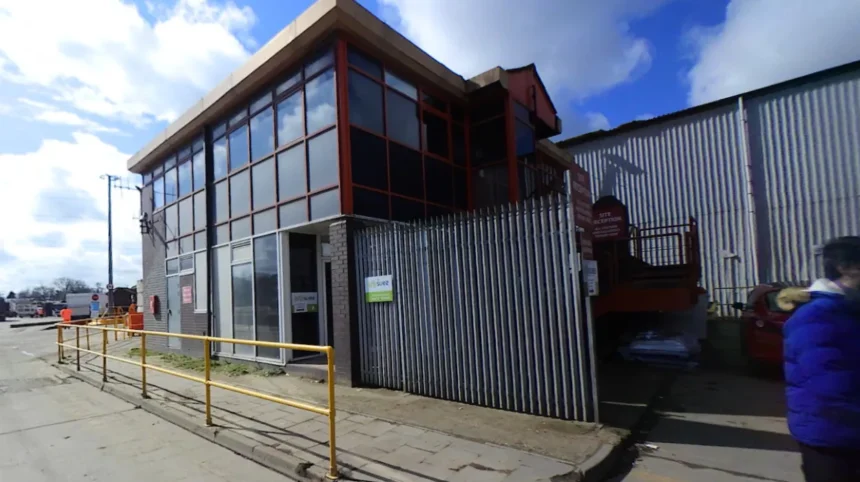
The development will be built on land adjacent to existing waste management facilities, supporting South London’s growing need for food waste treatment infrastructure.
How will the anaerobic digestion plant operate?
The facility will process food waste using anaerobic digestion, a process in which organic material decomposes without oxygen.
The plant will produce:
- Renewable biogas for injection into the national gas grid.
- Approximately 20,000 tonnes of nutrient-rich digestate each year.
- Renewable energy from organic waste.
- Soil improver suitable for agricultural use.
By recovering energy and useful by-products from food waste, the development supports circular economy principles while reducing reliance on landfill.
Why did Sutton Council refuse the original application?
Sutton Council’s planning committee rejected the proposal in spring 2025 despite receiving a recommendation from planning officers to approve it.
The committee’s concerns focused on:
- Traffic generation.
- Potential odour.
- Pest management.
- Environmental impacts on nearby communities.
Following the refusal, SUEZ appealed the decision to the Planning Inspectorate, which independently reviewed the application and supporting evidence.
Why did the Planning Inspectorate approve the appeal?
After reviewing the proposal, the planning inspector concluded that the mitigation measures proposed by SUEZ would adequately control the main environmental concerns.
The inspector found that:
- Air quality impacts would remain within acceptable limits.
- Traffic effects could be effectively managed.
- Odour control measures would minimise nuisance.
- The surrounding environment would not experience significant adverse impacts.
The inspector also concluded that the site is appropriate for waste management uses and that the public benefits outweigh the identified concerns.
How does the development support national food waste policy?
The project aligns with the UK’s wider waste and environmental objectives.
It supports:
- The government’s ambition to eliminate food waste sent to landfill by 2030.
- England’s separate food waste collection requirements introduced in 2025.
- Greater recovery of renewable energy from waste.
- Increased recycling and resource recovery.
- Reduced greenhouse gas emissions from landfill.
As more households and businesses separate food waste for collection, additional treatment facilities such as this are expected to become increasingly important.
Where is the new facility located?
The approved development will be built at Beddington Lane in the London Borough of Sutton.
The site:
- Lies within an established waste management area.
- Is adjacent to existing waste treatment infrastructure.
- Uses previously allocated land for waste-related development.
- Forms part of South London’s wider resource recovery network.
Its location enables the facility to integrate with existing waste collection and treatment operations.
What environmental benefits could the project deliver?
The anaerobic digestion facility is expected to provide several environmental benefits.
These include:
- Diverting food waste away from landfill.
- Producing renewable gas for the national energy network.
- Creating digestate for agricultural use.
- Reducing methane emissions associated with landfill disposal.
- Supporting the UK’s net zero and circular economy objectives.
The plant will transform organic waste into valuable resources rather than disposing of it as landfill.
What could the development mean for local residents and businesses?
The new facility is expected to improve South London’s capacity to process separately collected food waste while supporting local waste management services.
Potential benefits include:
- More resilient food waste processing infrastructure.
- Renewable energy production.
- Additional investment in the local waste sector.
- New employment opportunities during construction and operation.
Residents living near the site will continue to monitor issues such as traffic, odour and operational performance. The long-term success of the development will depend on how effectively the approved mitigation measures are implemented once the facility becomes operational.
Explore More Sutton News
Stafford Road Wallington Children’s Home Plan Approved? Sutton 2026
Berkeley Group Launches 1,000-Home Sutton Garden Square Scheme, London 2026
Background to the Beddington Lane development
SUEZ first submitted the planning application in 2023 for an anaerobic digestion facility on Beddington Lane. Although Sutton Council refused permission in 2025, the company appealed the decision to the Planning Inspectorate.
Following an independent review, the inspector concluded in June 2026 that the proposal complied with national waste planning policy and that environmental impacts could be satisfactorily controlled through planning conditions.
The approval reflects the growing need for modern food waste treatment facilities as England expands separate food waste collections and works towards ending the disposal of food waste in landfill by the end of the decade.