Key Points
- Free Architectural Access: Nearly 30 heritage and architectural venues across Croydon are set to open their doors to the public free of charge next month as part of the annual London Open House Festival.
- London-Wide Landmarks: Beyond Croydon, the festival offers exclusive tours of high-profile sites, including No 10 Downing Street, the Old Admiralty Building, the Royal Naval College at Westminster, Roman ruins beneath Leadenhall Market, and an underground house near Putney Heath.
- Massive Audience Engagement: The festival builds on previous city-wide attendance records, which saw 375,000 visitors access 830 events across all 32 London boroughs and the City of London.
- Museum Exhibition Launch: The event coincides with the opening of Shaping Croydon: Architecture and Ambition on Saturday, 12 September, at the Museum of Croydon, displaying historic and contemporary urban evolution.
- Historic Anniversary Mural: Artist Vic Lee has been commissioned to create a 60-foot mural commemorating the 750th anniversary of Surrey Street Market, which has operated continuously since its Royal Charter in 1276.
- Guided Heritage Pub Tour: Local historian Charo Havermans will lead the three-and-a-half-hour Croydon Open (Public) House tour, covering four historic town centre pubs, including the Dog and Bull, the Royal Standard, and the Green Dragon.
Croydon (South London News) August 13, 2026 — Almost 30 venues across Croydon are preparing to open to the public next month, offering residents and visitors guided access to normally off-limit heritage sites and architectural landmarks free of charge as part of the annual London Open House Festival.
According to figures from event organizers, this year represents one of the most extensive local programmes in recent history, giving members of the public an opportunity to view the interior of Croydon’s oldest, most prominent, and architectural structures.
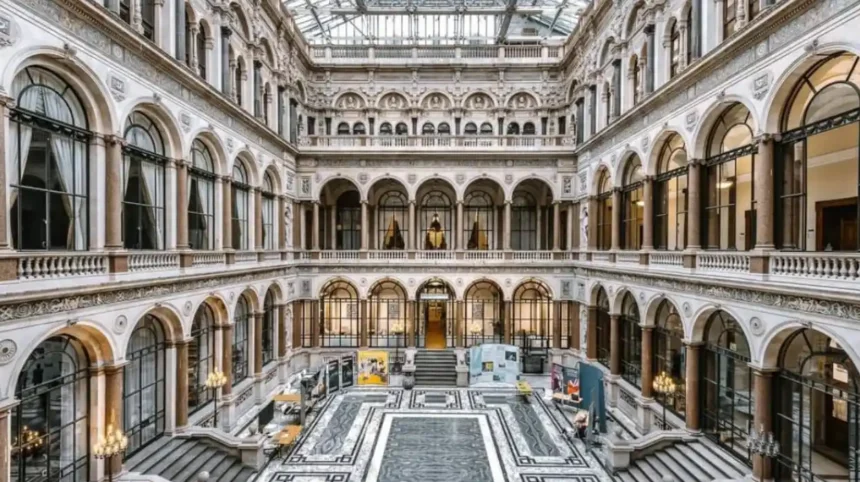
Across the wider capital, selected visitors will receive guided tours of No 10 Downing Street, alongside rare access to the Old Admiralty Building, the Royal Naval College at Westminster, the Roman structural remains beneath Leadenhall Market, and an underground dwelling situated by Putney Heath.
The festival follows a record-setting footprint across the capital, where previous editions generated 375,000 visits across 830 open days and events spanning all 32 London boroughs and the City of London.
What Exhibits And Events Are Scheduled For Croydon During The Festival?
Alongside the structural open days, the festival aligns with dedicated cultural events within the borough. As detailed by event organizers, the Museum of Croydon will host an exhibition titled Shaping Croydon: Architecture and Ambition, opening on Saturday, 12 September.
The exhibition traces the structural evolution of the town’s skyline and details the planning frameworks that have dictated town centre development over recent decades through archive material and contemporary photography.
Concurrently, artist Vic Lee has been commissioned to design and execute a 60-foot mural celebrating the 750th anniversary of Surrey Street Market. Initially established by Royal Charter in 1276, the site remains one of the longest continuously operating markets in London.
The local itinerary also features the Croydon Open (Public) House tour. Led by local historian Charo Havermans, the three-and-a-half-hour guided walk will take participants through four historic public houses in the town centre, including the Dog and Bull, the Royal Standard, and the Green Dragon.
Explore More Croydon News
Croydon Man Charged With Attempted Murder in Mayfair Nightclub Attack 2026
Allies and Morrison Unveils Whitgift Masterplan: Croydon 2026
Background
The Open House Festival is organized by the educational charity Open City, which was established to make urban design, heritage, and architecture accessible to the broader public. Founded in London in 1992, the festival model has since been adopted internationally across dozens of cities worldwide under the Open House Worldwide network.
The inclusion of Croydon within the broader London festival highlights the borough’s distinct architectural heritage, which spans medieval roots—such as the 12th-century Whitgift Almshouses and the historic Surrey Street trading corridors—to post-war modernist reconstruction.
During the 1960s and 1970s, Croydon underwent extensive commercial re-development, earning a reputation for its brutalist and modernist office towers, such as the Richard Seifert-designed No. 1 Croydon (formerly the NLE Building). The festival’s local itinerary aims to present these varying periods of urban development alongside civic buildings like Croydon Town Hall.
Prediction: How Will This Development Impact Local Residents, Heritage Groups, And Business Owners?
The expansion of the Open House Festival across Croydon is expected to deliver tangible impacts across three primary stakeholder groups:
The influx of local and regional foot traffic generated by the festival—particularly through targeted initiatives like historian Charo Havermans’ pub tour and visitors attending the Museum of Croydon—will provide a direct temporary boost to central commercial areas.
Historic venues such as the Dog and Bull, the Green Dragon, and the Royal Standard, along with stallholders at Surrey Street Market, stand to gain increased trade and heightened public profile during the event period.
For local historians, curators, and civic societies, the festival provides a high-visibility platform to alter public perceptions of Croydon’s built environment.
By linking 13th-century market heritage with post-war civic architecture and contemporary photography, the event helps build sustained community interest in local conservation efforts and public archiving.
For residents across Croydon and wider London, the provision of free, direct access to restricted civic and historic assets lowers socio-economic barriers to cultural participation.
The inclusion of public art installations, such as Vic Lee’s 60-foot mural, permanently embeds local history into the public realm, fostering civic identity and engagement with ongoing town centre regeneration projects.