Key Points
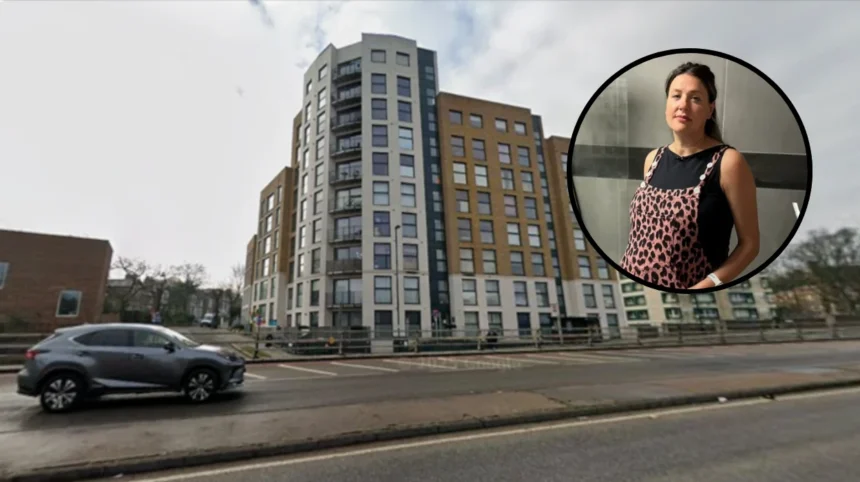
- Gas Cut Off: All of the 65 flats in Admiral Court in Croydon, South London, have not had access to the gas since 4 March due to “potentially dangerous leaks.”
- Impact on Pregnant Woman: Samantha Banner, who found out that she was pregnant in January, has not had any access to heating or hot water throughout her entire pregnancy.
- Personal Hygiene Issues: The couple could not shower in their flat and therefore had to bathe in the water which they warmed up in a kettle or went elsewhere and even used a camp shower.
- Failure of Flat Sale: The couple was about to exchange their flat and move to a bigger place; however, the potential buyer backed out because of high service charges and lack of gas.
- Bureaucratic Issues: Arguments between the freeholder, housing association, management company, and the former developer, which is now bankrupt, made it unclear who would cover the cost of the repairs.
Croydon (South London News) September 8, 2026 – As reported by Mark Chandler of BBC News, residents living across the 65 flats in the mixed-tenure Admiral Court development in Croydon, south London, have been forced to survive without a gas supply following an emergency disconnection on 4 March. The supply was isolated after inspections revealed “potentially dangerous leaks” running through the infrastructure of the building. The sudden loss of gas left occupants without functioning central heating systems or continuous hot water, forcing households across the complex to seek temporary, makeshift alternatives to perform basic daily tasks.
- Key Points
- How Has the Gas Outage Affected Expectant Mother Samantha Banner?
- How Has the Infrastructure Failure Impacted Property Sales and Financial Stability?
- Why Has the Ownership Dispute Prevented Repairs from Moving Forward?
- Background of the Development
- How This Development May Affect Leaseholders and the Housing Market
How Has the Gas Outage Affected Expectant Mother Samantha Banner?
As reported by Mark Chandler of BBC News, Samantha Banner, a leaseholder at Admiral Court, discovered she was pregnant at the start of January and has subsequently spent almost the entirety of her pregnancy living without basic domestic utilities. Describing the daily reality of the situation, Samantha Banner stated that living without heating or hot water has made everyday life “extremely difficult.”
For several months, Samantha Banner and her partner were entirely unable to shower inside their own property. To maintain hygiene, the household was forced to travel elsewhere to wash, clean themselves using buckets filled with water boiled in a kitchen kettle, or rely on a portable camping shower. Explaining their current setup, Samantha Banner detailed that they utilise a camping shower involving a
“big bucket of water that we fill up with a kettle, and have a really quick shower.”
How Has the Infrastructure Failure Impacted Property Sales and Financial Stability?
As reported by Mark Chandler of BBC News, the ongoing utility failure has directly halted the couple’s plans to move into a larger home ahead of the birth of their child. The household was actively preparing to exchange contracts on a new property when their prospective buyer formally pulled out of the transaction. The buyer’s decision was prompted by a combination of escalating service charges at Admiral Court and the persistent, unresolved gas infrastructure failures.
Reflecting on their current housing situation, Samantha Banner stated,
“We are in absolute limbo. We can’t put it back on the market because of the situation with the gas.”
The inability to sell or remortgage leaves the leaseholders financially tied to a property operating without essential amenities.
Explore More Croydon News
Southern Rail Trains Disrupted Near Gatwick Airport East Croydon 2026
TfL Freezes £2m Funding for Croydon Council Over Cycle Lane Wands Croydon 2026
Why Has the Ownership Dispute Prevented Repairs from Moving Forward?
As reported by Mark Chandler of BBC News, the underlying cause of the prolonged outage stems from complex legal and operational disputes among multiple governing entities associated with the development. Leaseholders have found themselves caught in layers of administrative bureaucracy involving the building’s freeholder, the managing agents, the housing association, and the property developer.
Because the original construction firm responsible for the development has gone into liquidation, establishing financial liability for the required remedial work has proven exceptionally complex. The ongoing dispute over which entity must fund the complete replacement of the internal pipework has created severe uncertainty for the occupiers of the 65 flats, who now face the risk that the ultimate financial burden could fall upon the individual leaseholders via service charge demands.
Background of the Development
The situation at Admiral Court highlights wider structural vulnerabilities within mixed-tenure housing developments built across the United Kingdom over the past two decades. Mixed-tenure blocks typically combine private leaseholders, shared-ownership residents, and social housing tenants managed by housing associations under one central management structure.
When major structural or service defects occur—such as the discovery of hazardous gas pipe networks—establishing operational responsibility requires coordination between freeholders (who own the underlying land), managing agents (who oversee day-to-day operations), and housing associations (who hold long-term leases for social housing units). In instances where the original development firm has dissolved or entered liquidation, leaseholders frequently lack access to traditional builder warranties or legal recourse against the constructers. Consequently, major capital repair projects frequently stall while legal parties negotiate liability under UK leasehold law.
How This Development May Affect Leaseholders and the Housing Market
Impact on Local Leaseholders
For the residents of Admiral Court, the continued impasse poses immediate physical, psychological, and financial risks. As colder weather approaches, relying on kettle-boiled water and portable appliances increases safety hazards while driving up individual electricity costs. Furthermore, if legal negotiations determine that remedial works constitute recoverable service charges, leaseholders could face substantial financial demands running into thousands of pounds per unit, potentially triggering widespread personal debt or mortgage defaults.
Impact on the Wider UK Property Market
This development serves as a high-profile example of the risks associated with multi-occupancy leasehold properties facing sudden infrastructure repairs. The situation is likely to make lenders and prospective buyers increasingly cautious when evaluating properties with complex management structures or ongoing service disputes. In the longer term, cases like Admiral Court may increase pressure on legislative bodies to reform leasehold protections, ensuring that emergency utility repairs are executed promptly without leaving residents exposed to prolonged administrative delays or unsought liabilities.