Key Points
- The Crown Prosecution Service has formally discontinued criminal proceedings against six individuals arrested during demonstrations outside Woolwich Crown Court.
- The defendants were accused of obstructing or disrupting lawful activities and failing to comply with police-imposed public assembly conditions during an April protest.
- The demonstration took place on 29 April in support of Palestine Action activists who were facing trial over actions targeting a UK site of an Israeli defence contractor.
- Those cleared of the allegations range in age from 25 to 70 and hail from locations across England and Scotland.
- The decision avoids a trial on whether peaceful gathering and holding placards outside judicial venues constitutes unlawful juror intimidation or public disruption.
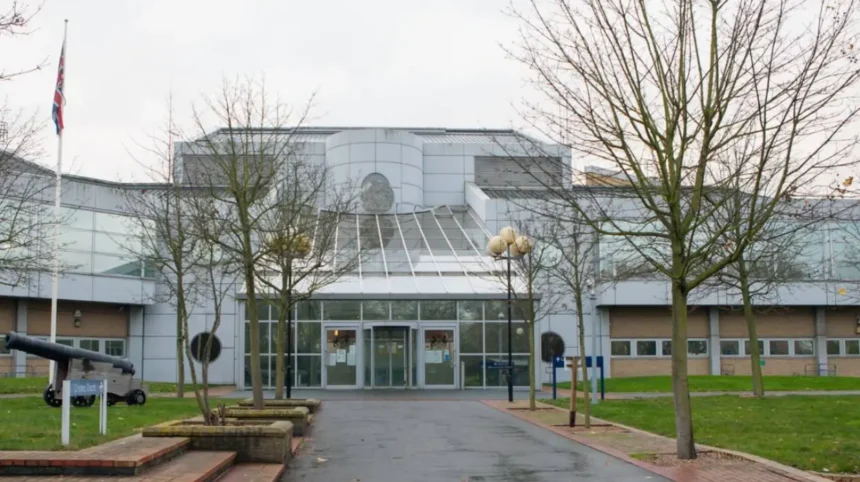
Woolwich Crown Court (South London News) September 17, 2026 – Prosecutors have formally dropped all criminal charges against six individuals who were facing trial following a demonstration held outside Woolwich Crown Court earlier this year. The Crown Prosecution Service discontinued proceedings against the group, who had been accused of public order offences while protesting in support of Palestine Action activists on 29 April.
As reported by legal affairs correspondents at the News Shopper, the six individuals cleared of the charges are Jennifer Moy, aged 55, Susan Hampton, aged 70, Claire Marris, aged 63, Richard Warren, aged 68, Adrian Cadbury, aged 38, and Moshe Dixon, aged 25. The group had been accused of obstructing or disrupting a person engaged in a lawful activity, alongside an alleged failure to comply with conditional restrictions placed on public assemblies under Section 14 of the Public Order Act.
The underlying gathering occurred outside the South East London court complex whilst a trial was underway involving Palestine Action campaigners accused of targeting the UK premises of an Israeli defence contractor. The decision to drop the case brings a complete halt to prosecution efforts regarding this specific protest group.
Why Were Criminal Charges Discontinued Against The Protesters Outside Woolwich Crown Court?
According to reporting published by local news outlets covering the proceedings, court filings confirm that prosecutors offered no further evidence against the six defendants, prompting the formal withdrawal of the summary charges. Under British criminal procedure, the Crown Prosecution Service must continuously assess whether cases meet the required threshold under the Code for Crown Prosecutors, which mandates both a realistic prospect of conviction and a determination that prosecution remains in the public interest.
As detailed in reports covering the Woolwich proceedings, the accused individuals held varied backgrounds and geographic residences. As reported in regional press records, Jennifer Moy resides in Westminster, London; Susan Hampton is based in Hertfordshire; Claire Marris lives in Lewisham, London; Richard Warren resides in Milborne Port, Somerset; Adrian Cadbury is from Birmingham; and Moshe Dixon traveled from Dundee, Scotland.
The protest occurred during a high-profile trial connected to Palestine Action, a direct-action campaign group that has consistently targeted sites associated with Elbit Systems, an Israeli defense manufacturer operating facilities across Great Britain. Demonstrators gathered outside the perimeter of Woolwich Crown Court to show solidarity with the defendants inside and to raise public awareness regarding the ongoing legal cases surrounding defense supply chains.
Police officers monitoring the April assembly had invoked statutory powers to impose specific conditions regarding where protestors could assemble and how the demonstration could proceed. Officers subsequently arrested the six individuals, alleging that their presence and actions breached prescribed assembly boundaries and created unlawful disruption to court operations. However, following a review of the evidence gathered by the Metropolitan Police Service, the prosecution determined that the proceedings should not continue to trial.
Background of the Development
The discontinuation of charges against the six demonstrators comes amidst a broader national debate in the United Kingdom regarding public protest rights outside judicial buildings and courtrooms. Over recent years, direct-action groups, including Palestine Action, Extinction Rebellion, and Just Stop Oil, have increasingly utilised demonstrations near court complexes to draw attention to political and legal proceedings.
In response, British law enforcement agencies and the Home Office have applied stricter interpretations of public order legislation. Courts have seen an increase in the deployment of Section 14 conditions under the Public Order Act 1986, which allow senior police officers to impose limits on the location, duration, and size of static public assemblies if they anticipate serious disruption, damage, or intimidation.
Simultaneously, the Solicitor General and the Crown Prosecution Service have faced heightened scrutiny over how protest activities near courthouses are handled. Earlier legal controversies surrounding the “Defend Our Juries” movement—where individuals stood outside courts holding signs reminding jurors of their historical right to acquit defendants according to their conscience—led to arrests for contempt of court or public order breaches. However, multiple high court decisions and prosecution reviews have affirmed the delicate balance between safeguarding judicial proceedings from actual intimidation and respecting fundamental rights to freedom of expression and peaceful assembly under Articles 10 and 11 of the European Convention on Human Rights.
The trials linked to Palestine Action’s campaign against UK-based defense sites have drawn consistent public attendance and police presence. By dropping the charges against Moy, Hampton, Marris, Warren, Cadbury, and Dixon prior to trial, prosecutors avoided a lengthy legal challenge regarding whether peaceful presence outside a court perimeter during an active trial genuinely crosses the statutory threshold into criminal obstruction or unlawful assembly.
Prediction: How This Development Can Affect Protest Groups, Law Enforcement, and the Legal System
This decision to discontinue charges is expected to resonate across several key groups within the civil society and legal landscapes:
- Direct-Action Campaigners and Protest Groups: For civil liberties advocates and direct-action organisations such as Palestine Action and Defend Our Juries, the decision represents a significant precedent. Campaigners are likely to view the dropped charges as a validation of their right to gather peacefully outside court buildings without facing criminal conviction. This outcome may encourage continued vigil-style demonstrations and solidarity assemblies outside judicial venues during politically sensitive trials.
- Law Enforcement and Police Planning: For police forces, particularly the Metropolitan Police, the dropping of these charges highlights the operational challenges of enforcing Section 14 order conditions. Command units may re-evaluate the evidentiary thresholds required before making arrests at court-adjacent protests. Police forces may adjust their tactical guidance, ensuring that conditions imposed on static demonstrations are strictly necessary and defensible in court to prevent future cases from failing at the prosecution stage.
- Crown Prosecution Service and Judicial Administration: The resolution of this case will likely influence future prosecutorial decisions regarding public order offences near courthouses. Crown prosecutors are expected to exercise heightened caution when evaluating whether charging peaceful demonstrators serving as trial spectators serves the public interest. This may lead to fewer summary prosecutions for minor public order breaches, allowing judicial and prosecutorial resources to remain focused on cases involving direct interference or obstruction of justice.