Lambeth is a large inner-London borough stretching along the south bank of the River Thames and extending south through districts including Waterloo, Vauxhall, Kennington, Brixton, Herne Hill, Streatham and Norwood. Its sightseeing landscape combines riverside landmarks, museums, historic buildings, parks, cultural venues and established neighbourhoods.
- Which places are the best starting points for a Lambeth sightseeing trip?
- Why is Waterloo one of the best places to begin exploring Lambeth?
- Is Lambeth North a good starting point for sightseeing?
- Why is Vauxhall useful as a Lambeth sightseeing starting point?
- Why should the Garden Museum and Lambeth Palace be a sightseeing starting point?
- Can Westminster Bridge be used as a starting point for a Lambeth walking tour?
- Is Kennington a useful starting point for exploring Lambeth?
- Does Brockwell Park provide a good starting point for a southern Lambeth sightseeing trip?
- How can visitors choose a Lambeth sightseeing starting point based on their interests?
- What is the best way to plan a Lambeth sightseeing route from the starting point?
- What should visitors know before starting a Lambeth sightseeing trip?
- Why does the starting point matter when exploring Lambeth?
Choosing the right starting point changes the shape of a Lambeth sightseeing trip. A visitor interested in the Thames, South Bank and major attractions benefits from starting near Waterloo or Westminster Bridge. A visitor focused on medieval history and gardens has a direct route from Lambeth North towards Lambeth Palace and the Garden Museum. A visitor seeking parks and local character can start further south at Kennington or Brockwell Park.
Lambeth also has an important historical relationship with the River Thames. Lambeth Palace has been associated with the Archbishop of Canterbury since the medieval period, while the former St Mary-at-Lambeth church now houses the Garden Museum. Lambeth Council identifies eight landscapes within the borough on the national Register of Historic Parks and Gardens, including Brockwell Park, Kennington Park, Lambeth Palace and West Norwood Cemetery.
The best starting point therefore depends on the sightseeing route being planned. Transport hubs provide efficient access, while individual attractions create more focused heritage, cultural or green-space itineraries.
Which places are the best starting points for a Lambeth sightseeing trip?
Lambeth’s strongest sightseeing starting points are Waterloo and the South Bank, Lambeth North, Vauxhall, Westminster Bridge, and the Garden Museum beside Lambeth Palace. These locations combine transport links, riverside attractions, historic sites, cultural venues, green spaces, and walking routes across Lambeth.
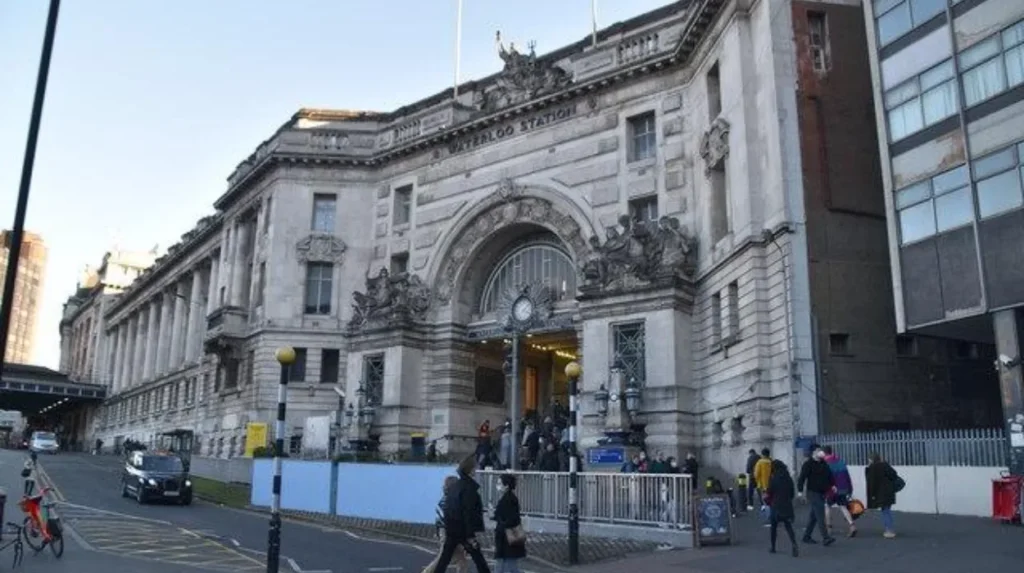
Waterloo is the strongest transport-oriented gateway for visitors arriving by rail or Underground. Its Underground station is served by the Bakerloo, Jubilee, Northern and Waterloo & City lines. Transport for London also identifies bus and cycle connections around the station and links towards the London Eye area.
Lambeth North is particularly useful for visitors wanting to reach the Imperial War Museum and central Lambeth. The station is on the Bakerloo line, while the Imperial War Museum states that it is approximately seven minutes on foot from Lambeth North.
Vauxhall provides another strategic gateway. It combines Underground and railway services with access to Vauxhall Pleasure Gardens, Vauxhall Park, Albert Embankment and routes towards Lambeth Palace.
The Garden Museum provides a more focused historical starting point. It occupies the former St Mary-at-Lambeth church beside Lambeth Palace and sits close to the Thames. The museum describes itself as Britain’s only museum dedicated to the art, history and design of gardens.
Westminster Bridge is useful when the sightseeing route begins on the north side of the Thames and crosses directly into Lambeth. Kennington and Brockwell Park provide alternatives for visitors prioritising parks, local history and neighbourhood exploration.
Why is Waterloo one of the best places to begin exploring Lambeth?
Waterloo is a practical starting point for a Lambeth visit because it sits beside the South Bank and connects directly with riverside attractions. From here, visitors can walk towards the London Eye, Royal Festival Hall, Westminster Bridge, Lambeth Palace, and the Garden Museum.
Waterloo provides one of the most comprehensive transport gateways into central Lambeth. Its Underground station has Bakerloo, Jubilee, Northern and Waterloo & City line services. The wider Waterloo area also connects with National Rail, buses, Santander Cycles and pedestrian routes towards the South Bank.
The location makes Waterloo particularly useful for a first-time visitor who wants to combine several central attractions in one walking itinerary. The South Bank lies immediately north of Waterloo station, while the Thames is close to the station’s western and northern approaches.
A typical route can begin around Waterloo, continue towards the South Bank, follow the river towards Westminster Bridge and then cross into Lambeth. From there, the route can continue towards County Hall, the London Eye area, Jubilee Gardens, Lambeth Palace and the Garden Museum.
Lower Marsh provides another useful direction from Waterloo. This historic street sits south of the station and connects the transport hub with the more local character of central Lambeth.
Waterloo also works well for visitors with limited time. A short visit can focus on the South Bank and riverfront. A longer visit can continue towards Lambeth Palace, Kennington or Vauxhall.
Accessibility requirements should be checked before travelling because station facilities and step-free arrangements can change. Transport for London provides current accessibility information for Waterloo.
Is Lambeth North a good starting point for sightseeing?
Lambeth North is a direct Tube starting point for central Lambeth sightseeing. It provides a useful base for walking towards the Imperial War Museum, Lower Marsh, the South Bank, Westminster Bridge, and the river, while keeping journeys compact and pedestrian-friendly.
Lambeth North Underground station is on the Bakerloo line. Its position on Westminster Bridge Road makes it particularly useful for visitors heading towards central Lambeth attractions rather than starting beside the Thames itself.
The Imperial War Museum is one of the clearest reasons to use Lambeth North as a starting point. Imperial War Museums states that IWM London is approximately seven minutes from Lambeth North. The museum documents people’s experiences of war from the First World War to conflicts in the modern era.
From Lambeth North, visitors can create a museum-and-river itinerary. The first section can focus on the Imperial War Museum and Lambeth Road. The route can then continue north towards the South Bank and Westminster Bridge.
Lower Marsh offers a different sightseeing experience. It provides a local shopping and food corridor close to Waterloo, making it suitable for visitors who want to combine central transport infrastructure with everyday Lambeth streets.
Lambeth North is also useful for shorter sightseeing sessions. The compact distance between the station, Imperial War Museum, Waterloo and the Thames allows visitors to avoid lengthy journeys between individual attractions.
The station’s Bakerloo line connection also makes it useful when a sightseeing itinerary begins elsewhere in London. Visitors can reach central Lambeth without first travelling to Waterloo National Rail station.
Why is Vauxhall useful as a Lambeth sightseeing starting point?
Vauxhall is an effective starting point for exploring southern riverside Lambeth because it combines Underground and railway connections with parks, historic sites, and the Thames Path. Routes from the station lead towards Vauxhall Pleasure Gardens, Lambeth Palace, Kennington, and Albert Embankment.
Vauxhall works as a transition point between central riverside Lambeth and the borough’s southern neighbourhoods. The station area provides access to Vauxhall Underground and railway services, while nearby streets lead towards the River Thames and several public green spaces.
Vauxhall Pleasure Gardens is immediately relevant to the area’s sightseeing identity. Lambeth Council records that the original Vauxhall Pleasure Gardens were established as an entertainment venue in 1661. The historic gardens became a major London leisure destination before closing in 1859. The present public park occupies part of the historic site.
The modern Vauxhall Pleasure Gardens includes paths, landscaped areas, meadow planting, trees and recreational facilities. It also connects with Vauxhall City Farm.
Vauxhall Park provides another green-space option. Lambeth Council records that the park opened on 7 July 1890 and was designed as a public park following campaigns involving Millicent Fawcett, Octavia Hill and local residents.
Visitors interested in social and architectural history can therefore use Vauxhall as a starting point before walking towards Kennington or Lambeth Palace.
The Thames-side direction leads towards Albert Embankment. The riverside route provides a more open urban setting and connects Vauxhall with central Lambeth.
Vauxhall is also useful for visitors who want to avoid beginning their sightseeing directly in the busiest South Bank area. It creates a southern approach to Lambeth’s central attractions.
Why should the Garden Museum and Lambeth Palace be a sightseeing starting point?
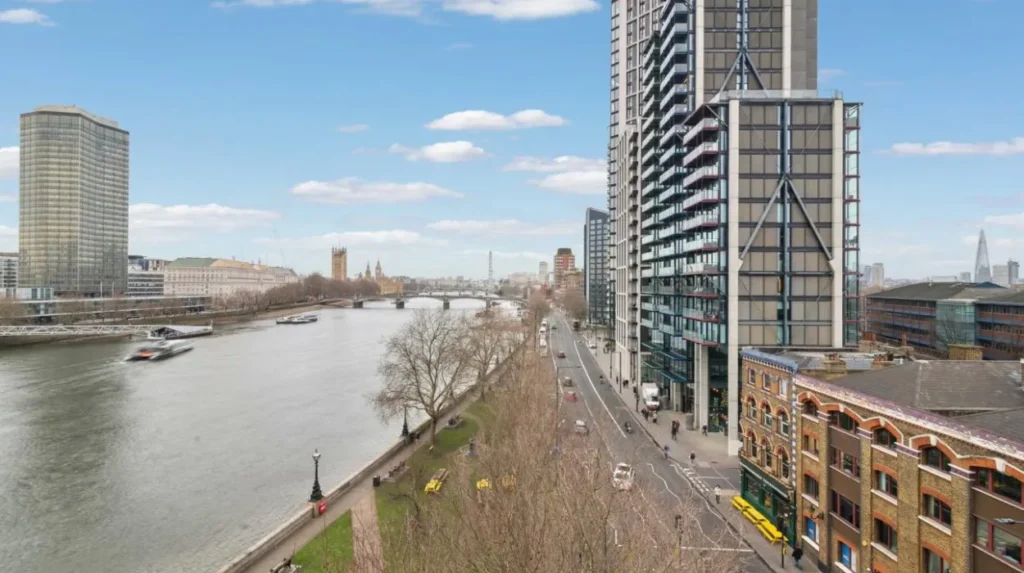
The Garden Museum and Lambeth Palace form a heritage starting point because they place visitors beside the Thames, Westminster and a medieval church site. The Garden Museum is next to Lambeth Palace and provides an introduction to Lambeth’s religious, architectural and horticultural history.
The Garden Museum occupies the former St Mary-at-Lambeth church beside Lambeth Palace. Its history reaches back to the medieval period. The museum records that a wooden church stood on the site in 1062 and that the Domesday Survey later recorded 29 tenancies in the associated manor.
The present museum was established in 1977 after Rosemary and John Nicholson campaigned to save the abandoned church from demolition. The building became the foundation for the Museum of Garden History and later the Garden Museum.
Lambeth Palace provides an even deeper historical context. Lambeth Council’s conservation-area documentation states that the site came into the possession of the Archbishop of Canterbury in 1197. The palace complex contains buildings from different historical periods, including Morton’s Tower, constructed in 1486.
As you explore the modern site, you are crossing land with a deep heritage. Read about the full [Insert Anchor Text for History Article Here] to understand its origins.
The Garden Museum also provides a practical transport starting point. Its official visitor information places it approximately ten minutes on foot from Lambeth North and identifies Vauxhall and Waterloo as other nearby stations. Bus routes including 3, 77, 344 and C10 stop close to the museum.
This location therefore suits visitors who want the first part of their Lambeth trip to establish historical context before continuing towards the river, Westminster Bridge or Waterloo.
Can Westminster Bridge be used as a starting point for a Lambeth walking tour?
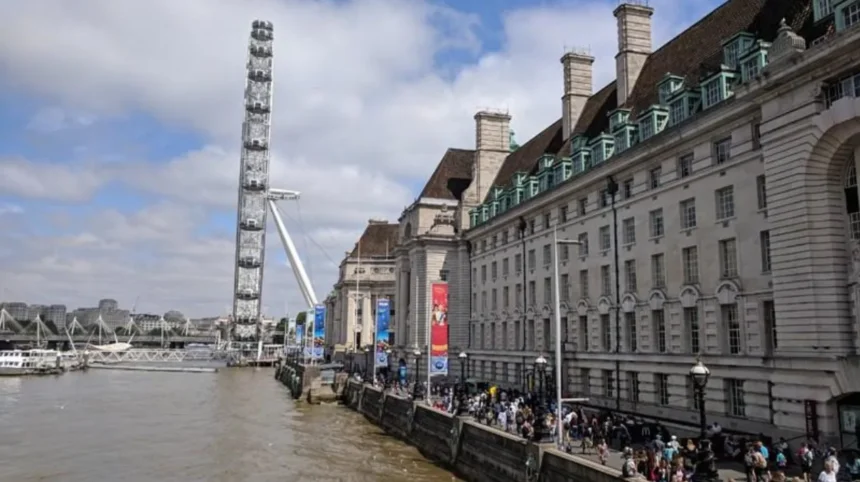
Westminster Bridge works as a scenic starting point for a north-to-south Lambeth walk. Crossing into Lambeth places visitors beside County Hall and the London Eye area, with routes continuing towards Jubilee Gardens, the South Bank, Lambeth Palace, and riverside attractions.
Westminster Bridge is particularly useful when the visitor is already exploring Westminster. The bridge crosses the Thames between the City of Westminster and Lambeth, placing visitors directly beside some of central London’s most recognisable riverside landmarks.
The Lambeth side provides immediate access to the South Bank and the County Hall area. The London Eye stands close to the bridge, while the wider riverside environment contains public spaces, cultural venues and walking routes.
A visitor starting at Westminster Bridge can therefore construct a linear itinerary rather than travelling repeatedly between separate attractions. The route can move south towards Lambeth Palace and the Garden Museum or east and west along the Thames.
The Garden Museum’s location is particularly relevant. It is on Lambeth Palace Road beside the Thames and next to Lambeth Palace. The museum identifies Westminster, Waterloo, Vauxhall and Lambeth North as nearby transport connections.
The bridge also provides a useful orientation point. Visitors can identify the Thames as the principal geographic reference and then choose between riverside attractions, historic sites or inland Lambeth neighbourhoods.
This starting point is less suitable for visitors who want a quiet beginning because Westminster Bridge and the London Eye area form a heavily visited central London environment. Visitors seeking parks and residential streets should start further south.
Is Kennington a useful starting point for exploring Lambeth?
Kennington is a useful starting point for visitors interested in parks, political history, local architecture and quieter streets. Kennington Park provides open space, while routes towards the Oval, Vauxhall, Lambeth Palace and central Lambeth create a broader sightseeing circuit nearby.
Kennington provides a different perspective on Lambeth from the heavily visited riverfront. Its sightseeing character combines public parks, residential streets, historic buildings and connections with major political events.
Kennington Park is the main green-space starting point. Lambeth Council records that the park was originally Kennington Common, an open area where local people exercised rights of common. It became a public park in 1852.
The park also has a strong political history. In April 1848, more than 25,000 supporters of the Chartist movement gathered at Kennington Common. The Chartists campaigned for electoral reforms including wider voting rights.
Today, Kennington Park contains formal gardens, mature trees, sports facilities, a children’s playground, a café and wildlife habitats. It is also recognised as a Site of Importance for Nature Conservation.
Kennington provides a practical starting point for a route towards Vauxhall. Another direction leads north towards Lambeth Palace and the Thames.
Visitors interested in football history can also orient themselves towards The Oval, the historic cricket ground in Kennington. This creates a sports-focused extension to a sightseeing route centred on local history.
The area’s combination of parkland and historic streets makes Kennington useful for travellers who want to experience Lambeth beyond its best-known riverside attractions.
Does Brockwell Park provide a good starting point for a southern Lambeth sightseeing trip?
Brockwell Park provides a strong southern starting point for visitors who want open space, historic landscapes and neighbourhood exploration. The park contains Brockwell Hall, a lido, ponds, a walled garden and mature trees, with routes towards Herne Hill and Brixton.
Brockwell Park is one of Lambeth’s most significant large green spaces. Lambeth Council describes it as a large park set within a hilly landscape, with ponds, ancient oaks, a walled Old English flower garden and open meadows.
The park originated as private landscaped grounds associated with Brockwell House. The Metropolitan Board of Works acquired the land in the late nineteenth century, and the park opened to the public in 1892.
Brockwell Hall remains an important historic feature. The park also contains Brockwell Lido, the walled garden and the nineteenth-century Tritton Clocktower.
The park provides a natural starting point for exploring Herne Hill. It also creates connections towards Brixton and other southern Lambeth districts.
For visitors spending several hours in southern Lambeth, Brockwell Park provides a useful balance between outdoor space and local neighbourhood exploration. The park’s paths make it possible to create a self-contained walking section before continuing into surrounding streets.
Brockwell Park is also included on Lambeth’s national Register of Historic Parks and Gardens. The council lists it as a Grade II registered landscape.
This makes Brockwell Park particularly relevant to visitors researching Lambeth’s historic landscapes rather than concentrating only on headline attractions.
How can visitors choose a Lambeth sightseeing starting point based on their interests?
Visitors can match their Lambeth starting point to the type of sightseeing they want. Waterloo suits major transport and riverside attractions; Lambeth North suits museums; Vauxhall suits parks and the Thames; Lambeth Palace suits heritage; Kennington and Brockwell Park suit local history and green space.
The starting point should reflect the first major destination rather than simply the nearest station. This approach reduces unnecessary backtracking and creates a more coherent walking route.
A visitor interested in major central London landmarks can start at Waterloo or Westminster Bridge. These locations provide immediate access to the Thames, South Bank and Westminster-facing riverside scenery.
A museum-focused visitor can start at Lambeth North. IWM London is a short walk from the station, and the route can continue towards Waterloo and the South Bank.
A heritage-focused visitor can start at the Garden Museum and Lambeth Palace. The museum provides historical context for the former St Mary-at-Lambeth church and the wider Lambeth Palace area.
A visitor prioritising parks can choose Vauxhall Park, Kennington Park or Brockwell Park. Each represents a different part of Lambeth’s green-space network. Lambeth Council identifies eight registered historic parks and gardens across the borough, demonstrating the importance of designed landscapes to its heritage.
A visitor with limited time should choose a central starting point. Waterloo, Lambeth North and Westminster Bridge keep several major attractions within a manageable walking area.
A visitor with half a day or more can start further south. Kennington and Brockwell Park provide more opportunities to combine parks with residential neighbourhoods and local landmarks.
What is the best way to plan a Lambeth sightseeing route from the starting point?
The most efficient Lambeth sightseeing routes follow geographic clusters rather than crossing the borough repeatedly. Start beside a major transport hub or attraction, group nearby riverside or heritage sites together, then continue south through parks and neighbourhoods as time permits.
Central Lambeth is best approached as a connected walking area. Waterloo, Lambeth North, Westminster Bridge, Lambeth Palace and Vauxhall are close enough to combine within a longer walking itinerary.
A river-focused route can begin at Westminster Bridge and continue along the Lambeth riverside towards Lambeth Palace and the Garden Museum. From there, visitors can move inland towards Kennington or Vauxhall.
A museum-focused route can begin at Lambeth North with IWM London, continue towards Lower Marsh and Waterloo, and then proceed towards the South Bank.
A heritage-focused route can begin at the Garden Museum. The route can cover St Mary-at-Lambeth, Lambeth Palace and Archbishop’s Park before continuing towards Waterloo.
Archbishop’s Park has its own historical significance. Lambeth Council states that it occupies land once belonging to Lambeth Palace and was opened as a public park in 1901. The park contains mature trees, wildlife habitats, sports facilities and a community garden.
A green-space route can begin at Kennington Park and continue towards Vauxhall Park or Vauxhall Pleasure Gardens. This route introduces visitors to different periods of Lambeth’s park history.
A southern route can begin at Brockwell Park and continue towards Herne Hill and Brixton. This approach is particularly appropriate when the itinerary focuses on parks, local architecture, cafés and neighbourhood culture rather than the central London skyline.
The key planning principle is geographic continuity. Visitors should select one starting zone and move progressively through adjacent areas.
Explore More Area Guide
Lambeth Beyond Landmarks: Hidden Local Experiences
Lambeth Beyond Landmarks: Hidden Local Experiences
What should visitors know before starting a Lambeth sightseeing trip?
Visitors should check current transport information, attraction opening times, accessibility arrangements and walking conditions before departure. Lambeth combines busy central London areas with quieter residential districts, so route planning should account for distances, river crossings, opening hours and personal mobility needs.
Transport information is particularly important because London Underground service patterns and accessibility arrangements change. Transport for London provides current station information, including service details and accessibility information for Waterloo and Lambeth North.
Attractions also operate according to individual opening schedules. The Garden Museum currently publishes visitor information separately from its historical content, including opening hours, admission information and transport guidance.
Accessibility should be considered when selecting the starting point. The Garden Museum states that its nearby Vauxhall, Waterloo and Lambeth North connections provide access options, while visitors are advised to check Transport for London’s current accessibility information before travelling.
Walking distances also matter. A route between Waterloo, Lambeth Palace, Kennington and Vauxhall involves several kilometres of urban walking. Visitors should allow additional time for photographs, attraction visits, food stops and changes in route.
Weather affects riverside and park-based itineraries more than museum-focused routes. Rain, strong wind and limited daylight can make exposed riverside paths less comfortable.
The best starting point is therefore not a universal choice. It is determined by the visitor’s first attraction, available time, transport arrival point and preferred balance between museums, history, riverside spaces and parks.
Why does the starting point matter when exploring Lambeth?
A well-chosen starting point reduces unnecessary travel and creates a clearer sightseeing sequence. Waterloo and Westminster Bridge favour central attractions; Lambeth North favours museums; Vauxhall favours southern riverside routes; and Kennington and Brockwell Park favour parks and neighbourhood exploration.
Lambeth contains several distinct sightseeing environments rather than one compact attraction district. The Thames forms a major geographical spine, while historic streets and parks extend southwards.
The central area has the highest concentration of major visitor destinations. Waterloo and Westminster Bridge therefore provide efficient access to riverside attractions.
The Lambeth Palace area adds a different layer. Its medieval origins, former St Mary-at-Lambeth church and Garden Museum connect modern sightseeing with centuries of religious and horticultural history.
Vauxhall adds entertainment history and public parks. Its modern Pleasure Gardens occupy part of a site associated with the historic Vauxhall Gardens, which operated as a major London entertainment venue from the seventeenth century until the nineteenth century.
Kennington adds political history and Victorian park development. Brockwell Park adds historic landscape design and southern neighbourhood connections.
This geographic variety means visitors can build different Lambeth itineraries without repeating the same attractions.
For a first sightseeing trip, Waterloo, Westminster Bridge, Lambeth North and the Garden Museum provide the clearest access to central Lambeth’s major attractions. For a broader exploration, Vauxhall, Kennington and Brockwell Park extend the trip into the borough’s parks, heritage landscapes and local neighbourhoods.
Ultimately, the most useful Lambeth sightseeing starting point is the one that places the first priority attraction closest to the beginning of the route. Planning around geographic clusters makes the visit more efficient, reduces backtracking and reveals the relationship between Lambeth’s riverside landmarks, historic sites, parks and neighbourhoods.
What is the best place to start a Lambeth sightseeing trip?
Waterloo is one of the most convenient starting points because it connects directly with the South Bank, River Thames, Westminster Bridge, the London Eye area, Lambeth Palace and the Garden Museum.