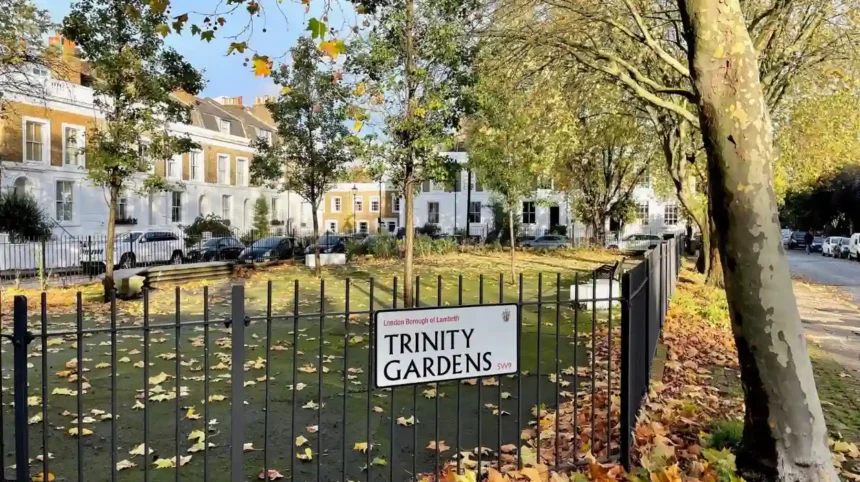
Lambeth is a London borough on the south bank of the River Thames, extending from Waterloo and Vauxhall through Kennington, Brixton, Herne Hill, Streatham and West Norwood. Visitors who move beyond headline attractions can experience historic gardens, community spaces, local neighbourhoods, libraries, markets, parks and nature reserves. The borough contains eight landscapes on the national Register of Historic Parks and Gardens, including Brockwell Park, Kennington Park, Lambeth Palace, Myatt’s Field, Ruskin Park, The Rookery and West Norwood Cemetery.
- What can visitors do in Lambeth beyond its famous landmarks?
- Which historic places in Lambeth are worth exploring away from the main attractions?
- Where can visitors find quieter green spaces in Lambeth?
- What can visitors discover around Brixton beyond its famous markets?
- Which Lambeth parks are best for nature and local recreation?
- How can visitors experience Lambeth’s community gardens and environmental projects?
- What can visitors do in Streatham and southern Lambeth?
- Where can digital nomads work or take a quiet break in Lambeth?
- How can visitors explore Lambeth through local history and archives?
- What is the best way to create a non-touristy Lambeth day?
- Why does exploring local Lambeth matter for visitors?
- How should visitors plan a deeper Lambeth experience?
Experiencing Lambeth beyond its famous landmarks means changing the scale of a visit. Instead of focusing only on major destinations, visitors can explore smaller public spaces, residential districts, local heritage, community gardens, independent cultural venues and everyday places used by residents. This approach also connects central Lambeth with less prominent southern districts.
What can visitors do in Lambeth beyond its famous landmarks?
Visitors can explore Lambeth through neighbourhood parks, historic gardens, community projects, libraries, local markets, heritage sites and quieter streets rather than concentrating only on major attractions. These experiences reveal the borough’s residential character, environmental projects, cultural history and everyday community life.
Lambeth has a substantial network of public green spaces. Lambeth Council’s parks service includes facilities such as wildlife areas, nature conservation areas, community gardens, ponds, flower gardens, cafés, sports facilities and quiet sitting areas.
This makes parks useful starting points for visitors who want a slower local experience. The choice extends across different parts of the borough, from Waterloo and Vauxhall to Brixton, Camberwell, Herne Hill and Streatham.
Visitors can also use Lambeth libraries as cultural and practical spaces. The borough provides free Wi-Fi, computer access, study desks, reference resources and community activities through its library network.
The result is a visitor experience based on places that support ordinary local life. A short visit can therefore include a park, a neighbourhood high street, a community garden and a library rather than a sequence of major attractions.
Which historic places in Lambeth are worth exploring away from the main attractions?
Historic Lambeth extends beyond its best-known landmarks through old churches, gardens, Victorian parks, former entertainment grounds and preserved landscapes. These places show how the borough developed from riverside settlement and rural land into an industrial and residential part of modern London.
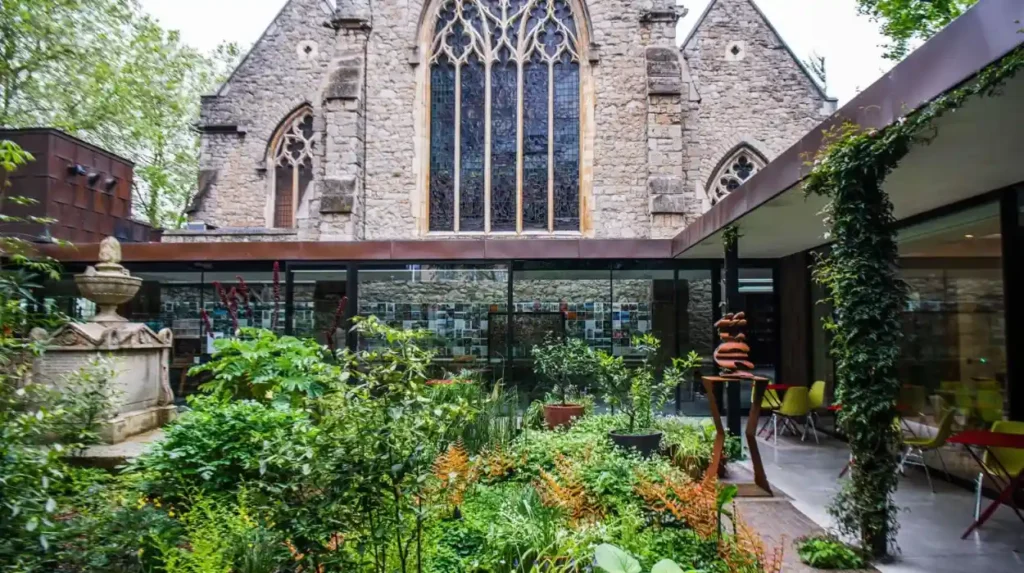
The area around Lambeth Palace provides one of the clearest examples. St Mary-at-Lambeth, now home to the Garden Museum, has medieval origins. The Garden Museum records a wooden church on the site in 1062 and identifies its surviving medieval tower, built in 1377, as the oldest surviving structure in the borough.
The building also connects visitors with John Tradescant, the seventeenth-century gardener and plant collector buried at St Mary-at-Lambeth. The Garden Museum was established in 1977 after Rosemary and John Nicholson campaigned to save the abandoned church from demolition.
As you explore the modern borough, you are crossing land with a deep heritage. Read about the full to understand its origins.
Vauxhall provides another important historical layer. Vauxhall Pleasure Gardens opened as a privately managed entertainment venue in 1661. The site became known for dining, visual arts and live music before closing in 1859. The present Vauxhall Pleasure Gardens occupies the historic site and incorporates landscaped areas, trees, meadow planting and wildlife habitat.
Vauxhall Park provides a different Victorian story. The park opened in 1890 after campaigning by Millicent Fawcett, Octavia Hill and local residents helped secure the land for public recreation. The park retains historic features and includes an orchard, café, sports facilities and a sensory garden.
These locations demonstrate that Lambeth’s history is distributed across ordinary public spaces. Visitors do not need to enter a major museum to encounter historic evidence.
Where can visitors find quieter green spaces in Lambeth?
Visitors can find quieter green spaces in Waterloo Millennium Green, St Mary’s Gardens, Archbishop’s Park, Old Paradise Gardens, Vauxhall Park, Myatt’s Fields Park and smaller community gardens. These spaces provide seating, planting, wildlife habitats, recreation areas and routes away from busy tourist corridors.
St Mary’s Gardens sits near Lambeth Palace, the Garden Museum, Archbishop’s Park and St Thomas’ Hospital. The small public garden was laid out by Lambeth Borough Council in 1932–33 after changes to the road network around the former Lambeth Bridge site.
Archbishop’s Park offers a larger recreational setting. The site formed part of the grounds associated with Lambeth Palace before sections were opened for public recreation. The park officially opened as a public park in 1901 and now contains mature trees, wildlife habitats, a community garden, sports pitches, cricket nets and tennis courts.
Old Paradise Gardens provides another small-scale green experience near Waterloo. Lambeth Council manages the site in partnership with the Garden Museum, with biodiversity work including species-rich wildflower meadows and pollinator-friendly planting.
Waterloo Millennium Green is designated as a Site of Importance for Nature Conservation, recognising its value for wildlife and public access to nature.
These spaces are particularly useful for visitors with limited time. A short walk through a local park creates a different experience from travelling between major central London attractions.
What can visitors discover around Brixton beyond its famous markets?
Visitors can explore Brixton through Windrush Square, Tate Gardens, local libraries, community projects, independent businesses and surrounding residential streets. The area provides cultural history, public art, green spaces and community activity that extend beyond the better-known market destinations.
Windrush Square is at the centre of Brixton. The name commemorates the arrival of the Empire Windrush at Tilbury on 22 June 1948. The ship carried 492 passengers from the Caribbean and became an important symbol of post-war migration and modern British multicultural society.
Brixton Library stands on Windrush Square in a Grade II listed building. Lambeth Council identifies it as one of the borough’s principal library facilities, alongside Carnegie Library, Clapham Library and Durning Library.
The library network adds a useful dimension to local exploration. Visitors can access computers, Wi-Fi, study spaces and information services. Brixton Library also hosts community activities, while Lambeth Libraries provides archives and local-history resources.
Brixton therefore works as more than a shopping or food destination. Its public square, library, surrounding streets and community spaces provide opportunities to understand the area through everyday civic life.
Which Lambeth parks are best for nature and local recreation?
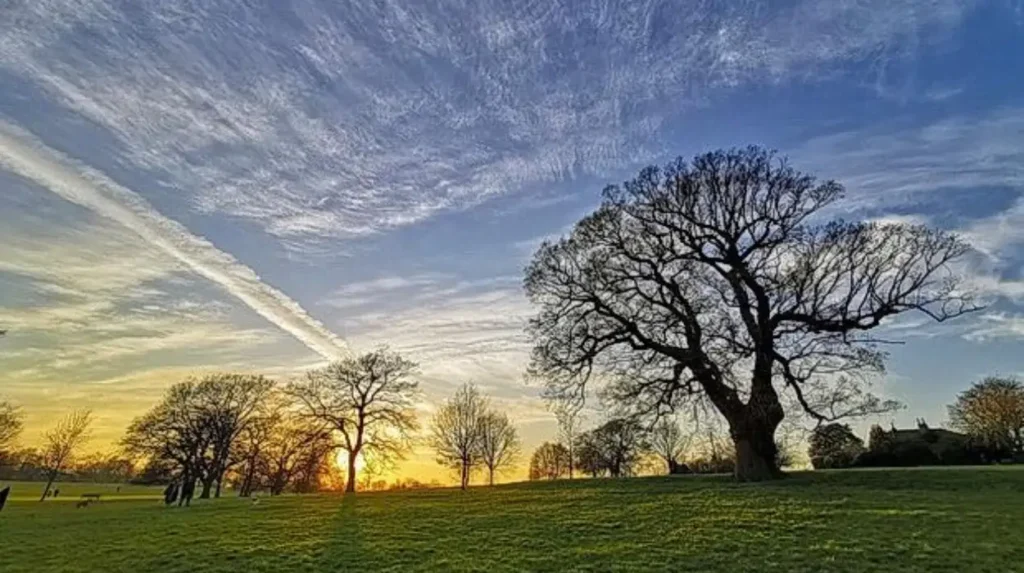
Lambeth’s larger parks provide structured ways to experience nature, recreation and local heritage. Brockwell Park, Myatt’s Fields Park, Vauxhall Park and Archbishop’s Park combine landscaped areas with sports facilities, gardens, mature trees, wildlife habitats and community activity.
Brockwell Park is one of Lambeth’s most substantial green spaces. It contains ponds, ancient oaks, meadows, a walled garden, Brockwell Hall, Brockwell Lido and a nineteenth-century clocktower. The park opened to the public in 1892 after the Metropolitan Board of Works acquired the former private estate.
The park also supports active recreation. Facilities include tennis and basketball courts, football pitches, a playground, a BMX track and a miniature railway. This combination allows visitors to experience both landscape heritage and contemporary recreation in one location.
Myatt’s Fields Park lies between Camberwell and Brixton. It opened in 1889 and retains elements of its Victorian design, including a bandstand, roundhouse and refreshment kiosk. The park also has a community greenhouse, café, playground, sports facilities and biodiversity planting.
Community involvement is particularly visible at Myatt’s Fields. Local volunteers support horticultural and wildlife projects, while the community greenhouses grow and distribute fruit, vegetables and plants.
Lambeth also provides tennis facilities across multiple parks. Council information lists courts at locations including Archbishop’s Park, Brockwell Park, Clapham Common, Kennington Park, Larkhall Park, Ruskin Park, Streatham Common and Vauxhall Park.
How can visitors experience Lambeth’s community gardens and environmental projects?
Visitors can experience Lambeth’s environmental work through community gardens, wildlife planting, food-growing schemes and local nature projects. These initiatives connect visitors with residents who maintain green spaces, grow food, improve biodiversity and organise activities within neighbourhood parks.
Myatt’s Fields Park Community Greenhouses provide an example of community-led growing. The project supports food growing and cooking activities and connects with other growing schemes across Lambeth.
Ruskin Park has another community garden supported by Friends of Ruskin Park. The project includes growing spaces, greenhouses and polytunnels, with activities and training connected to food production.
Streatham Common Community Garden operates near the Rookery. It combines food growing with cooking and food-training activities and supports a community orchard.
Vauxhall Pleasure Gardens also includes environmental improvements. The Small Pleasure Garden project created wildlife habitats, pollinator-friendly planting and improved natural seating. The site is recognised as a Site of Importance for Nature Conservation alongside Vauxhall City Farm.
These projects show how visitors can explore environmental activity without leaving the urban area. The experience involves observing planting, public landscapes and community-managed spaces rather than visiting a conventional tourist attraction.
What can visitors do in Streatham and southern Lambeth?
Visitors can explore southern Lambeth through Streatham Common, The Rookery, Palace Road Nature Reserve, community gardens, local libraries and neighbourhood parks. These areas provide access to gardens, woodland-style paths, meadows, wildlife habitats and residential parts of the borough.
Streatham Common provides an important green destination in southern Lambeth. The Rookery, a historic garden within the common, forms part of Lambeth’s registered historic landscapes. Lambeth Council lists The Rookery among eight nationally registered parks and gardens in the borough.
Palace Road Nature Garden provides an even more local-scale nature experience. It became one of Lambeth’s six Local Nature Reserves in October 2025 under powers provided by the National Parks and Access to the Countryside Act 1949. The site includes woodland paths, a summer flowering meadow, an orchard and a community mural.
The designation gives the site a formal conservation status while retaining its public value. Visitors can therefore explore a protected local environment within a densely developed part of London.
Southern Lambeth also has community-focused libraries and leisure facilities. These spaces provide useful alternatives for visitors who want indoor activities, local information or short work periods between outings.
Where can digital nomads work or take a quiet break in Lambeth?
Digital nomads and business travellers can use Lambeth libraries, cafés, leisure-centre cafés and bookable community spaces for short work periods. These facilities provide practical alternatives to tourist venues, with Wi-Fi, computers, study desks, meeting rooms or quieter seating.
Lambeth Libraries explicitly provide free Wi-Fi, computers and study desks across its network. The service also offers meeting rooms, work-pods, performance spaces and exhibition areas.
Minet Library in Camberwell provides a specific example. Lambeth Council describes it as a place to sit, work, study or read. The library also offers room hire for meetings and community activities.
Libraries therefore serve two visitor purposes. They provide practical facilities for travellers who need to work, and they provide a way to access local information.
Lambeth’s leisure centres also contain cafés. Active Lambeth lists café facilities at Streatham Ice and Leisure Centre, Brixton Recreation Centre, Clapham Leisure Centre and West Norwood Health & Leisure Centre.
Visitors should check current opening times before relying on any facility for work. Library and leisure-centre schedules vary by location.
How can visitors explore Lambeth through local history and archives?
Visitors can investigate Lambeth’s history through Lambeth Archives, local libraries, historic buildings, registered landscapes and museum collections. These resources document more than five centuries of local history and provide maps, photographs, plans, books and archival material.
Lambeth Archives provides access to archives, books, images, maps and plans covering more than 500 years of Lambeth’s history. The service also provides historic borough photographs through its digital resources.
The archive is particularly useful for visitors who want context before exploring a neighbourhood. Historical maps can explain how streets, estates, parks and industrial areas changed over time.
The Garden Museum provides another route into local history. Its archive preserves working records from leading British garden designers of the twentieth and twenty-first centuries. Its wider collection explores garden art, design and history.
The museum also provides a digital guide containing information on more than 40 permanent-collection items, alongside accessibility features such as transcripts, subtitles, alt-text and audio descriptions.
This combination of physical and digital resources makes Lambeth suitable for self-guided exploration. Visitors can research a site and then see its present-day landscape.
What is the best way to create a non-touristy Lambeth day?
A non-touristy Lambeth day works best when visitors combine one historic site, one neighbourhood, one green space and one community-focused stop. A route linking Waterloo, Lambeth, Vauxhall, Brixton or Streatham creates variety without relying on major landmarks.
A Waterloo-focused visit can combine St Mary’s Gardens, Archbishop’s Park, Old Paradise Gardens and the Garden Museum. The area provides a concentrated mixture of historic buildings, green spaces and cultural resources.
A Vauxhall visit can combine Vauxhall Park with Vauxhall Pleasure Gardens. The two parks provide different historical stories, while the surrounding area demonstrates Lambeth’s continuing urban development.
A Brixton and Camberwell route can include Windrush Square, Brixton Library and Myatt’s Fields Park. This combination connects cultural history, civic space and community-led environmental activity.
A southern Lambeth route can focus on Streatham Common, The Rookery and Palace Road Nature Garden. This creates a predominantly green itinerary within the urban borough.
The important principle is geographic variety. Lambeth is not a single tourist district. Its character changes substantially between riverside Waterloo, Vauxhall, Kennington, Brixton, Camberwell, Herne Hill, Streatham and West Norwood.
Explore More Area Guide
Best Thames Bridges to Photograph From Lambeth
Where to Take a Break During Lambeth Sightseeing
Why does exploring local Lambeth matter for visitors?
Exploring local Lambeth gives visitors a broader understanding of the borough by connecting heritage, nature, community activity, recreation and everyday services. It also distributes visitor activity beyond major attractions and introduces neighbourhoods that reflect contemporary life in south London.
Lambeth’s registered historic landscapes demonstrate the depth of its environmental heritage. Eight landscapes in the borough appear on the national register, including Brockwell Park, Kennington Park, Lambeth Palace, Myatt’s Field, Ruskin Park, St Michael’s Convent, The Rookery and West Norwood Cemetery.
Its Local Nature Reserve network adds another layer. Palace Road Nature Garden became Lambeth’s sixth Local Nature Reserve in 2025, illustrating the continuing recognition of urban biodiversity within the borough.
Community projects also remain important. Myatt’s Fields, Ruskin Park and Streatham Common all contain organised growing initiatives that connect environmental improvement with community participation.
For visitors, these places provide a more complete picture of Lambeth. The borough is not defined only by famous buildings or riverfront views. Its identity also exists in parks, libraries, historic streets, community gardens, local archives and neighbourhood spaces.
How should visitors plan a deeper Lambeth experience?
Visitors should choose a neighbourhood, identify one historical feature, add a green space and allow time for local services or community venues. Checking opening hours, seasonal facilities and event schedules before travelling keeps the experience practical and current.
Start with geography. Waterloo and Vauxhall suit visitors interested in historic sites and central London access. Brixton and Camberwell provide stronger connections with community culture and local green projects. Streatham and West Norwood provide access to larger green spaces and quieter residential environments.
Next, check current opening arrangements. Parks have different opening hours, while museums, libraries and community facilities operate on individual schedules. Lambeth Council and individual organisations provide the most reliable current information.
Seasonality also affects outdoor experiences. Brockwell Park’s wet-play facility normally operates from late May until late September, subject to maintenance.
The final step is to leave space for local discovery. A visit focused on one neighbourhood allows time to notice gardens, architecture, community facilities and small public spaces that disappear from view when an itinerary moves rapidly between headline attractions.
Lambeth therefore offers a practical model for exploring London beyond famous landmarks. Its historic landscapes, neighbourhood parks, community gardens, libraries, archives and environmental projects create a broad network of experiences. Visitors who explore these places gain a clearer understanding of how heritage and contemporary urban life coexist across south London.
What can visitors do in Lambeth beyond famous landmarks?
Visitors can explore historic gardens, local parks, community gardens, libraries, neighbourhood streets, archives, nature reserves and community spaces. These experiences reveal Lambeth’s local heritage and everyday character.