Key Points
- Downsizing Incentives Introduced: Croydon Council is seeking formal approval for a new pilot scheme that offers council tenants home upgrades and redecorations, including brand-new kitchens and bathrooms, if they move to smaller properties.
- Under-Occupancy vs Overcrowding: Approximately 8.5 per cent of Croydon’s local authority housing stock is currently under-occupied, whilst over 8,500 households remain on the accommodation waiting list and more than 2,100 council tenants face severe overcrowding.
- Addressing Resident Concerns: The expanded scheme addresses historic tenant hesitations regarding leaving local communities and moving into poor-quality properties by offering downsized accommodation in preferred areas alongside comprehensive move support.
- Regulatory Compliance: The initiative forms part of Croydon Council’s strategy to assist its Housing Service in achieving a minimum C2 rating from the Regulator of Social Housing.
- Decision Timeline: Scrutinised by the Housing Assurance Board today, the pilot scheme is scheduled for rollout by the end of October 2026, subject to formal clearance.
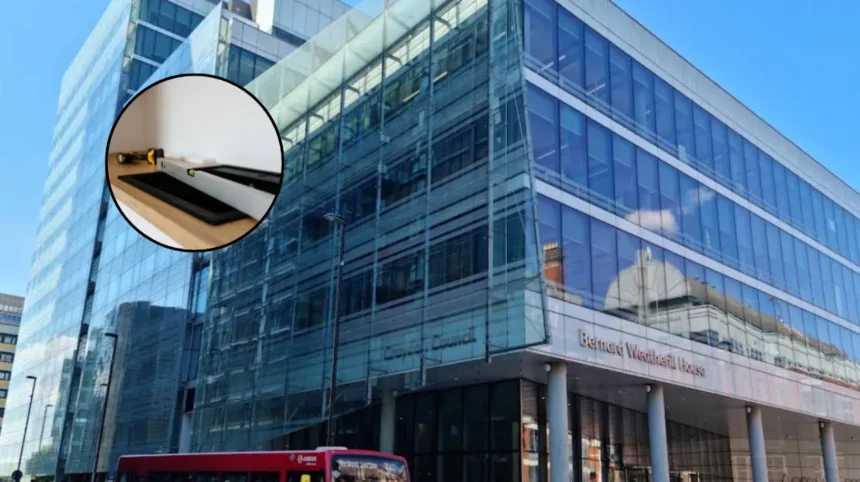
Croydon (South London News) October 12, 2026 – Social housing tenants in Croydon who agree to move out of under-occupied homes could soon receive comprehensive refurbishment work, including new kitchens, bathrooms, and redecoration services, under a proposed local authority pilot scheme.
As reported by Izzy Lepone of LocalGov, Croydon Council is seeking approval for a targeted home downsizing initiative designed to provide residents with physical property enhancements and personalised support. The council report submitted to the Housing Assurance Board reveals that approximately 8.5 per cent of the borough’s housing stock is under-occupied, a figure sitting just below the national average. However, severe capacity pressures persist across the local authority, with over 8,500 households currently waiting for accommodation and more than 2,100 council tenants experiencing overcrowded conditions.
To relieve these strains, the local authority aims to incentivise single occupants and couples residing in three- and four-bedroom council properties to transition into smaller, more manageable dwellings, thereby freeing up crucial family-sized accommodation.
As highlighted by Local Democracy Reporter Harrison Galliven of South London News, council data further indicates that four-bedroom properties represent merely 2.37 per cent of the borough’s 13,360 managed council homes, whilst five-bedroom units account for just 0.24 per cent. Furthermore, average property re-let times within the council rose to 206 days in the first quarter of the 2026/27 financial year, underscoring the urgent necessity to optimise existing housing stock management.
Why Is Croydon Council Expanding Its Downsizing Scheme?
The proposed pilot initiative forms an integral part of Croydon Council’s operational strategy to elevate its Housing Service performance and achieve a minimum C2 rating from the Regulator of Social Housing.
Previously, tenants expressed significant hesitations regarding moving out of under-occupied properties. As detailed in the council’s report, key concerns raised by residents included:
- The risk of being disconnected from their long-standing local communities.
- Apprehension regarding the quality and condition of alternative smaller properties.
- A requirement for dedicated, practical assistance during the physical relocation process.
To directly mitigate these objections, the council’s expanded scheme guarantees that participating tenants will be offered homes in their specific area of choice. Alongside location guarantees, downsizing residents will receive tailored home improvements covering new kitchen units, upgraded bathroom facilities, and complete redecoration services.
A spokesperson for Croydon Council stated:
“We know there is significant demand for larger family homes in Croydon, and we want to make the best possible use of the council homes we already have. We also recognise that moving home is a big decision, particularly for residents who have lived in their homes for many years.”
The Croydon Council spokesperson further added:
“This proposed pilot builds on our existing downsizing support and has been shaped by that feedback. It includes improvements such as a new kitchen, bathroom and redecoration, alongside dedicated, personalised support to help residents through every stage of their move. We want to make downsizing a more attractive option for residents who are considering moving to a smaller home, while helping to free up larger properties for families who need them.”
What Is the Background of This Particular Development?
The housing pressure in Croydon has been exacerbated by years of severe supply shortages and structural service challenges within the borough. Croydon Council previously operated a Special Transfer Payment scheme offering financial grants of up to £8,000 to eligible tenants who moved into smaller homes. However, financial incentives alone proved insufficient to convince many long-term residents to vacate larger properties due to worries over property conditions and loss of community ties.
Furthermore, Croydon’s social housing governance has undergone intense scrutiny in recent years. Following independent investigations into severe structural defects and damp conditions at council estates such as Regina Road, the local authority established a comprehensive Housing Improvement Programme and created the Housing Assurance Board to oversee service delivery, safety, and regulatory compliance.
With over 2,100 families enduring severe overcrowding in inadequate accommodation, the local authority has increasingly focused on stock optimisation. In addition to the downsizing home improvement pilot, council officers are evaluating further statutory mechanisms, including five-year fixed-term tenancies for larger dwellings and potential “de-conversion” projects designed to merge smaller properties back into larger family units.
What Is the Prediction for How This Development Will Affect the Audience?
The implementation of this downsizing pilot scheme stands to directly impact three key groups within the borough of Croydon: under-occupying tenants, overcrowded families on the housing register, and local authority housing administrators.
For single occupants and elderly tenants currently residing in three- or four-bedroom homes, the scheme offers a substantial practical benefit. Rather than moving into standard council stock, downsizing residents will gain modernised living environments featuring new kitchens and bathrooms, alongside lower running and heating costs inherent to smaller properties. The provision of dedicated relocation support and local area selection will reduce the emotional and financial burden traditionally associated with moving home in later life.
For overcrowded families and applicants on Croydon’s 8,500-strong housing waiting list, the successful transition of under-occupiers will increase the turnover rate of scarce multi-bedroom properties. If the pilot successfully unlocks a steady stream of family-sized council homes, it will reduce reliance on temporary accommodation and mitigate severe living conditions for thousands of children and parents.
Finally, for Croydon Council and the Housing Assurance Board, achieving high participation in the scheme will serve as a critical test for regulatory compliance. Demonstrating effective asset management and improved tenant satisfaction through this scheme will directly support the council’s target of securing a C2 rating from the Regulator of Social Housing, establishing a potential blueprint for other London local authorities facing similar housing capacity crises.