Key Points
- £568m Total Spending Plan: Croydon Council has published draft budget proposals totaling £568 million for the 2027/28 financial year to maintain services for 410,000 residents.
- 4.99% Proposed Council Tax Rise: The borough plans a 2.99% standard council tax increase alongside a 2% adult social care precept, matching expected government limits.
- Debt Repayment Strain: Historic borrowing under Exceptional Financial Support (EFS) currently costs the local authority approximately £95 million annually in debt repayments.
- Proactive Debt Reduction Target: Spending forecasts project EFS borrowing will decrease significantly from £120.7 million down to £76.3 million between 2027/28 and 2030/31.
- Cost-Saving and Revenue Initiatives: Specific measures include installing LED street lighting to save £1.9 million per year and allowing trade waste at Household Reuse and Recycling Centres.
- Key Consultation Milestones: Draft proposals and the Medium-Term Financial Strategy go to Cabinet on Wednesday 14 October, followed by public engagement starting 19 October.
Croydon (South London News) October 7, 2026 — As reported by the Croydon Council Communications Team, Executive Mayor Jason Perry and council officials announced draft financial plans on October 7, 2026, setting out a £568 million budget proposal for 2027/28 aimed at securing long-term solvency while safeguarding essential public services.
- Key Points
- What Are the Core Pillars of Croydon’s Proposed 2027/28 Financial Strategy?
- Why Is Council Tax Set to Increase by 4.99 Per Cent?
- How Does Central Government Support Impact Croydon’s Long-Term Financial Health?
- Which Efficiency Initiatives and Income Proposals Are Being Introduced?
- What Steps Remain Before the Draft Budget Is Officially Confirmed?
- What Is the Background to Croydon Council’s Financial Recovery Journey?
- How Will These Financial Proposals Impact Croydon Residents and Local Businesses?
What Are the Core Pillars of Croydon’s Proposed 2027/28 Financial Strategy?
According to statements released by the Croydon Council Communications Team, the local authority’s draft spending proposals for 2027/28 set out an overarching £568 million budget designed to support the borough’s 410,000 residents. Published ahead of the official Cabinet meeting scheduled for Wednesday 14 October, the local authority’s Medium-Term Financial Strategy (MTFS) details the ongoing financial position alongside forward-looking forecasts covering the next four years.
As noted by Executive Mayor Jason Perry in official budget documentation, the strategy is engineered to connect structural financial recovery directly with higher service standards. Local authority officers stated that the administration is prioritizing prevention and early intervention rather than relying solely on reactive cost reductions. The core objectives center on lowering expenditure across high-spend service operational sectors, generating sustainable non-tax revenue, and improving administrative efficiency across all departments.
Why Is Council Tax Set to Increase by 4.99 Per Cent?
As reported by council finance officers in the Medium-Term Financial Strategy, the administration proposes to increase council tax by the maximum permitted threshold without triggering a local referendum. The proposal comprises a core council tax rise of 2.99% supplemented by a dedicated 2% adult social care precept expected by central government, producing a total combined increase of 4.99%.
Local authority representatives detailed that this financial measure is necessitated by severe cost pressures linked to rising inflation and surging demand for statutorily mandated public care services. Key operational areas experiencing persistent budget stress include:
- Adult and Children’s Social Care: Meeting complex care requirements for vulnerable adults and children.
- Temporary Accommodation: Providing emergency housing for residents facing acute risk of homelessness.
- SEND Support Services: Delivering required assistance for children and young people with Special Educational Needs and Disabilities.
How Does Central Government Support Impact Croydon’s Long-Term Financial Health?
As documented by the Croydon Council Communications Team, the borough continues to navigate debt burdens resulting from historic governance failures. Since 2020, the local authority has depended on central government Exceptional Financial Support (EFS) to sustain day-to-day operations.
Finance officers confirmed that while EFS provided emergency stabilization, the mechanism imposes substantial ongoing financial burdens, costing the council approximately £95 million annually in debt servicing and repayments. Under the current trajectory, municipal borrowing projections indicate that annual EFS reliance will drop from £120.7 million in 2027/28 down to £76.3 million by 2030/31, marking a structural transition toward self-sustaining municipal finance.
Which Efficiency Initiatives and Income Proposals Are Being Introduced?
As detailed by local authority department managers, specific operational reforms are being implemented to achieve statutory savings and expand municipal revenue streams:
Energy and Infrastructure Upgrades
As reported by council infrastructure officers, the borough-wide transition to modern LED street lighting is projected to lower municipal energy consumption substantially while generating an estimated £1.9 million in direct annual efficiency savings.
Commercial Recycling and Waste Management
As stated by waste management officers, the council intends to open Household Reuse and Recycling Centres (HRRCs) to commercial trade waste. This initiative is designed to establish new revenue streams while enabling extended operating hours for local residents.
What Steps Remain Before the Draft Budget Is Officially Confirmed?
As outlined by Executive Mayor Jason Perry, the current draft proposals represent a consultative stage within the statutory budget-setting framework rather than a finalized binding policy.
The key procedural milestones established by the council are structured as follows:
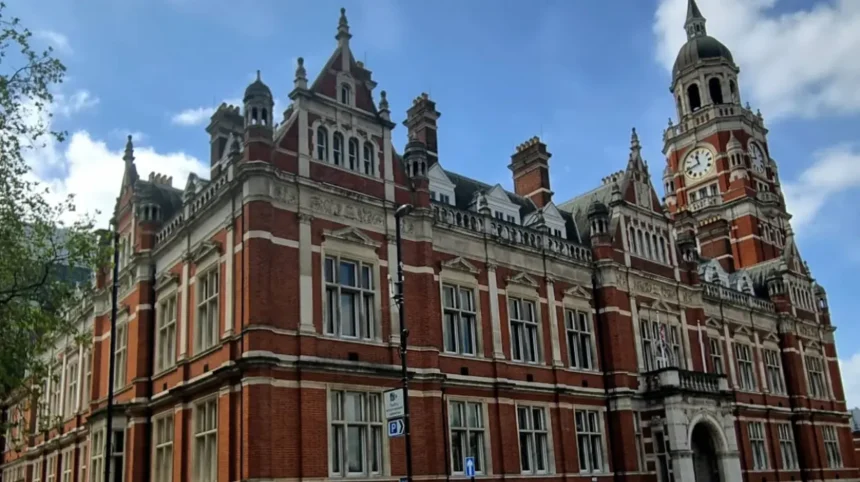
- Cabinet Review: Formal discussion of the draft budget, MTFS, and Mayor’s Delivery Plan by Cabinet members at Croydon Town Hall on Wednesday 14 October 2026.
- Public Engagement Period: Launch of a borough-wide public consultation on Monday 19 October 2026, allowing residents, local business owners, and community organizations to submit feedback.
- Final Policy Adoption: Incorporation of consultation feedback into refined financial recommendations ahead of the final binding council vote in February 2027.
What Is the Background to Croydon Council’s Financial Recovery Journey?
To contextualize the current 2027/28 proposals, Croydon Council’s recent financial history has been characterized by acute structural distress, central government intervention, and comprehensive administrative restructuring.
In November 2020, Croydon issued its first Section 114 notice—effectively declaring municipal bankruptcy—after accumulating over £1.5 billion in debt due to unsustainable commercial property investments, commercial development failures (such as the housing developer Brick by Brick), and inadequate budgetary oversight. A second Section 114 notice was issued in November 2022 after finance officers identified an unbridgeable budget gap, prompting central government to appoint an independent Improvement and Assurance Panel (and subsequent government commissioners) to oversee council operations and enforce a statutory Best Value Duty.
To maintain essential statutory operations, the Department for Levelling Up, Housing and Communities (DLUHC) granted the borough unprecedented Exceptional Financial Support (EFS). This mechanism enabled Croydon to capitalize operational revenue expenditure into long-term capital loans. While EFS averted immediate operational collapse, it left the council burdened with significant annual debt repayment obligations. The 2027/28 budget proposals mark a key turning point in transitioning away from emergency state borrowing toward self-determined financial stability.
How Will These Financial Proposals Impact Croydon Residents and Local Businesses?
The financial strategy set out in the 2027/28 budget will directly affect local taxpayers, service users, and commercial operators across the borough in several distinct ways:
Household Budgets and Cost of Living
For local residents, the proposed 4.99% council tax increase represents an additional direct household expenditure during an ongoing period of wider inflationary pressures. Households across all municipal bands will experience higher annual property tax bills starting in April 2027.
Access to Public and Social Care Services
The administration’s focus on early intervention and prevention is designed to stabilize vulnerable families before high-cost acute services are required. While core statutory protections for children, elderly residents, and individuals requiring special educational needs support remain fully funded within the £568 million expenditure baseline, non-statutory community services face continuing pressure to deliver maximum operational efficiency.
Local Businesses and Trade Sector
Commercial traders and small business owners will gain access to municipal waste processing options as Household Reuse and Recycling Centres begin accepting trade waste. Additionally, local commercial ratepayers are being urged to participate actively in the consultation opening on 19 October to ensure local commercial considerations inform the final budget decisions enacted in February 2027.