Key Points
- Special Educational Needs Provision: Octavia House Schools has launched a new independent special school site in Clapham, South London, specifically designed for pupils with Social, Emotional, and Mental Health (SEMH) needs.
- Specialist Curriculum and Therapies: The facility integrates standard academic teaching with tailored therapeutic support, including designated therapy dogs and dedicated art therapy sessions.
- Target Student Demographic: The institution caters to children holding Education, Health and Care (EHC) plans who have experienced complex trauma, early life adversity, neurodivergence such as Autism Spectrum Condition and ADHD, or significant disruptions in their previous schooling.
- Community Engagement: Local residents and neighborhood organizations provided significant voluntary support to prepare the facility for its inaugural term.
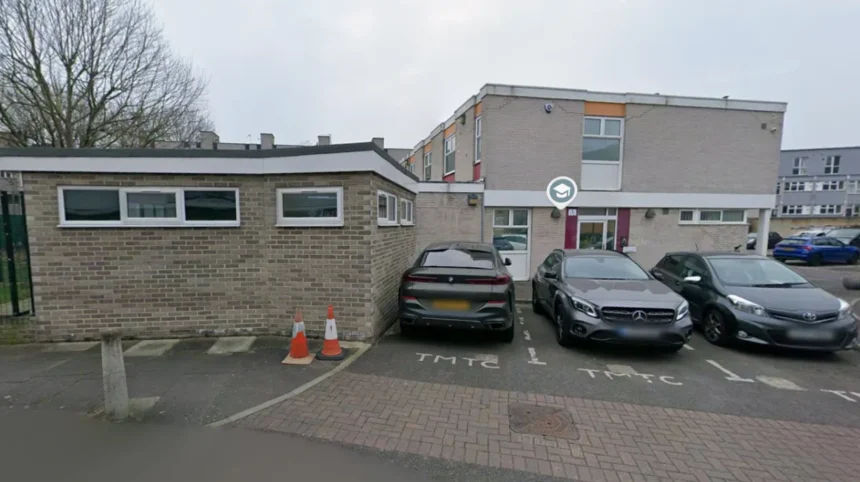
Clapham (South London News) October 7, 2026 – A new independent Special Educational Needs (SEN) facility operated by Octavia House Schools has officially opened its doors in Clapham, expanding specialist educational and therapeutic provision for children across South London. The institution provides tailored learning environments for pupils diagnosed with Social, Emotional, and Mental Health (SEMH) needs who require structured support beyond mainstream academic settings. Grounded in a trauma-informed framework, the Clapham site incorporates on-site therapy dogs, expressive art therapy, and small-class academic instruction to assist young people holding formal Education, Health and Care (EHC) plans.
- Key Points
- What is the background and core mission of Octavia House Schools?
- How does the new Clapham site integrate therapeutic interventions into daily learning?
- What role do therapy dogs play in pupil regulation?
- Why is art therapy included in the specialist curriculum?
- How has the local Clapham community supported the school opening?
- Background of the particular development
- Prediction: How this development will affect key stakeholders
What is the background and core mission of Octavia House Schools?
As reported by local education correspondents covering special needs provision in the capital, Octavia House Schools functions as a specialized group of independent day schools dedicated to supporting pupils whose primary barrier to learning stems from complex life experiences. The organization works predominantly with children and young people who possess an EHC plan, a legal document issued by local authorities detailing an individual’s specific educational, health, and social care requirements.
The pupil population across Octavia House sites typically presents with histories marked by relational trauma, early childhood adversity, chronic mental health challenges, or neurodivergent profiles, including Autism Spectrum Condition (ASC) and Attention Deficit Hyperactivity Disorder (ADHD). For many of these pupils, previous placements in mainstream educational settings resulted in multiple exclusions, severe attendance breakdown, or prolonged periods of emotional distress.
The newly established Clapham premises have been designed to minimize sensory overload and maintain low pupil-to-staff ratios. Educational programs are aligned with national curriculum goals but are adapted dynamically to match the emotional regulation levels and developmental readiness of each student.
How does the new Clapham site integrate therapeutic interventions into daily learning?
The operational model at the Clapham branch embeds clinical and holistic interventions directly into the school timetable, moving away from conventional models where therapy occurs in isolation from classroom activities. As highlighted in regional educational coverage, two core pillars of this approach are canine-assisted intervention and clinical art therapy.
What role do therapy dogs play in pupil regulation?
Specially trained therapy dogs are present on campus to assist pupils experiencing acute anxiety, sensory dysregulation, or emotional distress. Within special educational settings, canine-assisted interventions are utilized to lower cortisol levels, encourage non-verbal communication, and build relational trust between pupils and staff members. Pupils are permitted to interact with the dogs during transition periods between lessons or during scheduled sensory breaks, helping to stabilize mood and improve focus during academic tasks.
Why is art therapy included in the specialist curriculum?
Art therapy sessions are conducted by qualified practitioners to offer pupils an alternative, non-verbal medium for processing psychological trauma, frustration, and social complexity. Given that many SEMH pupils experience difficulties articulating complex emotional states through conventional speech, visual art creation provides a safe outlet to explore identity, self-regulation, and coping strategies. Artwork generated during these sessions is also utilized by internal clinical teams to monitor therapeutic progress over time.
How has the local Clapham community supported the school opening?
The preparation and launch of the Clapham site involved direct participation from local residents, volunteers, and community groups. Community members contributed time, resources, and practical assistance to prepare the school grounds, assemble sensory equipment, and establish outdoor recreational spaces ahead of the inaugural term.
Staff members at Octavia House Schools expressed gratitude for the neighborhood’s warm reception, noting that positive community integration plays a crucial role in reducing the social stigma frequently attached to young people attending specialist SEMH provisions. Local partnerships are expected to offer pupils safe, structured opportunities for community access, life-skills training, and social integration activities as the academic year progresses.
Background of the particular development
Special Educational Needs provision across Greater London and the wider UK has faced unprecedented demand over the past decade. Local authorities have reported steep rises in the number of children assessed for EHC plans, with SEMH needs representing one of the fastest-growing categories of primary need. Mainstream schools frequently lack the funding, physical infrastructure, and specialized therapeutic personnel required to support pupils displaying complex emotional dysregulation or severe anxiety, leading to an increasing reliance on independent specialist providers.
Historically, the shortage of dedicated SEN places in South London boroughs has forced local councils to place children in schools outside their home boroughs, resulting in long daily commutes that can exacerbate emotional instability for vulnerable learners. The opening of specialized sites like Octavia House Schools in accessible urban hubs such as Clapham reflects a broader regional strategy to expand localized provision, keeping pupils closer to their home communities while receiving targeted clinical support.
Prediction: How this development will affect key stakeholders
The establishment of the Octavia House Schools site in Clapham is expected to produce tangible impacts across several distinct groups within the local educational landscape:
- For Pupils and Families: Enrolled pupils will gain immediate access to an environment tailored to their neurodivergent and emotional needs, reducing school-related anxiety and school refusal behaviors. Families will benefit from localized access to integrated therapies, reducing travel burden and providing consistent multi-agency support.
- For South London Local Authorities: Neighboring council education departments, including Lambeth, Wandsworth, and Southwark, will gain additional high-specification SEMH capacity within their immediate boundaries. This may assist local authorities in meeting their statutory duties to provide suitable EHC plan placements while reducing out-of-borough transport costs.
- For Surrounding Mainstream Schools: The availability of specialized SEMH placements relieves pressure on local mainstream academies and primary schools that may struggle to accommodate pupils requiring intensive 1-to-1 therapeutic intervention, allowing mainstream environments to maintain focus on standard educational delivery while ensuring high-need pupils receive appropriate care.