Key Points
- A vape battery fire broke out at a residential building on Woolwich Common in South London.
- The London Fire Brigade dispatched five fire engines and approximately 35 firefighters to the scene.
- The fire damaged roughly half of a three-bedroom flat located on the third floor of a six-storey building.
- Fire investigators determined the blaze was accidental and likely caused by a failed lithium-ion battery.
- Fire authorities highlighted key battery safety practices, including avoiding overcharging, preventing physical damage, and using compatible chargers.
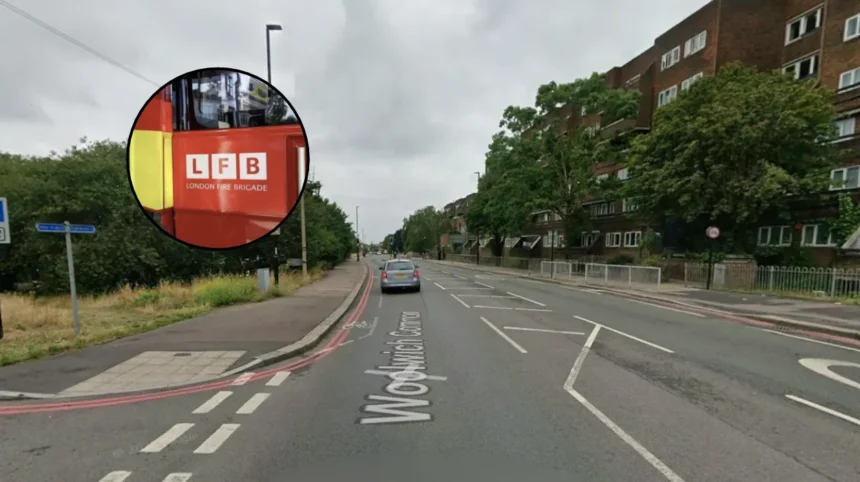
Woolwich (South London News) October 16, 2026 – A flat on Woolwich Common in South London was partially destroyed on Tuesday afternoon after a vape battery failed and ignited a fire within the home. Emergency services were alerted to the incident at 3:33 pm on October 13, prompting a rapid multi-station response to the six-storey residential block. Five fire engines and approximately 35 firefighters were dispatched to tackle the blaze on the third floor. Crews from Plumstead, East Greenwich, and Eltham fire stations attended the incident, bringing the fire under control by 4:24 pm. Fire Brigade investigators subsequently confirmed that approximately half of the three-bedroom flat sustained damage and deemed the cause of the fire to be accidental, resulting from a failed lithium-ion battery inside an e-cigarette device.
How did the Woolwich vape fire start and progress?
Emergency services received the initial call at 3:33 pm on Tuesday, October 13, following reports of smoke and flames emanating from a third-floor property on Woolwich Common. Crews arriving at the scene discovered an active fire inside a three-bedroom flat within a six-storey residential complex. The London Fire Brigade dispatched 35 personnel and five fire appliances to contain the blaze and prevent it from spreading to neighbouring units within the building.
Firefighters operating from Plumstead, East Greenwich, and Eltham fire stations coordinated the emergency response, using specialized equipment to navigate the multi-storey layout and extinguish the fire. The operation lasted under an hour, with the scene officially brought under control at 4:24 pm. Subsequent inspections confirmed that around 50 per cent of the affected third-floor property suffered fire damage. No initial reports of injuries were recorded in connection with the incident, and official investigators concluded that the outbreak was caused accidentally by a lithium-ion battery inside a vape unit.
What safety warnings did the London Fire Brigade issue following the incident?
Following the fire on Woolwich Common, safety officials from the London Fire Brigade reiterated strict guidelines regarding the care, maintenance, and charging of lithium-ion batteries. Devices containing these energy cells—including vapes, e-cigarettes, mobile phones, and e-scooters—carry inherent fire risks if the batteries are compromised or handled incorrectly.
A spokesperson for the London Fire Brigade stated that
“Batteries can present a fire risk if they’re over-charged, short circuited, submerged in water or damaged, so it’s really important to protect them against being damaged and charge them safely.”
The fire service further emphasized the necessity of disconnect practices once devices reach full capacity, as well as the importance of equipment compatibility. A spokesperson for the London Fire Brigade added: “Unplug devices once they have finished charging and make sure you use the right charger for your device.”
What is the background of lithium-ion battery fires in South London?
This latest incident on Woolwich Common forms part of a broader, well-documented pattern of lithium-ion battery fires across South London and the wider metropolitan region. Over recent years, local fire authorities have reported a significant increase in callouts involving rechargeable personal electronics, e-cigarettes, and light electric vehicles such as e-scooters and e-bikes.
Lithium-ion batteries store a high density of energy in a compact format. If a cell suffers structural damage, internal manufacturing flaws, exposure to moisture, or excessive current from an mismatched charger, it can enter a state known as thermal runaway. Thermal runaway is a rapid, uncontrollable heating process that releases toxic gases, intense flames, and explosive force, often making fires difficult to extinguish using standard domestic methods.
Because many modern consumer products rely on low-cost imported components or non-standard replacement parts, safety regulators and fire services have continually campaigned to raise awareness about battery compliance, legitimate retail sources, and risk reduction within residential dwellings.
How could this development affect local residents and consumers?
This development directly impacts residents living in high-density housing blocks, consumers who utilize vape devices, and local housing authorities.
Impact on Residents and Tenants
For individuals living in multi-storey residential buildings across South London, incidents of this nature heighten concerns regarding communal building safety and fire spread. Residents in shared property structures rely on shared compartmentation and early detection systems. A fire originating on a third floor can lead to smoke logging in hallways, temporary evacuations, or property damage for adjacent flats. Furthermore, tenants may face increased scrutiny from housing managers or landlords regarding the storage and charging of rechargeable electronic items in communal spaces or private residences.
Impact on Vape Users and Electronics Consumers
For consumers using e-cigarettes and lithium-ion powered devices, this incident serves as a clear indicator of the physical risks associated with battery malfunction. Users may face stricter product regulations, tighter safety warnings on packaging, or altered consumer habits, such as avoiding overnight charging, replacing damaged units immediately, and purchasing official, manufacturer-approved charging cords.
Potential Regulatory and Housing Policy Changes
Local councils and social housing providers across South London may review tenant safety guidelines in light of repeated battery-related fires. This could lead to targeted public educational campaigns, updated tenancy agreements regarding high-risk devices, or revised rules regarding where light electric vehicles and personal electronics can be safely charged within residential housing complexes.