Key Points
- Completion Target: Lewisham Council has confirmed that the restoration of the Lewisham town centre clock tower is scheduled for completion before March 2027.
- Broader Regeneration Context: The clock tower project represents a distinct component within a major town centre upgrade whose overall costs have recently escalated to over £30 million.
- Project Budget Allocation: An overall budget of £100,000 has been approved specifically for the clock tower element.
- Contract and Expensed Values: The central contract value for the restoration works stands at approximately £27,000, alongside £3,000 spent on electrical upgrades and £2,000 allocated for improved lightning protection.
- Contingencies for Listed Asset: The local authority explained that the gap between the total £100,000 budget and the £32,000 committed contract and expenditure figures is due to a substantial contingency reserve retained to address unforeseen structural issues on the historic listed structure.
Lewisham (South London News) October 16, 2026 – According to statements released by Lewisham Council, the comprehensive restoration of the Lewisham town centre clock tower is set to be finished before March 2027. The project forms a focal historical element of a broader local initiative aiming to revitalize public realm infrastructure across the district.
- Key Points
- How Does the Clock Tower Project Fit into the Overall Lewisham Town Centre Upgrade Costs?
- What is the Approved Budget for the Lewisham Clock Tower Refurbishment?
- How are the Funds Distributed Across Contracts and Electrical Works?
- Why is There a Difference Between the Approved Budget and the Contract Value?
- Background of the Lewisham Clock Tower Development
- Prediction: How This Development Can Affect Local Residents and Businesses
How Does the Clock Tower Project Fit into the Overall Lewisham Town Centre Upgrade Costs?
As documented in official municipal updates, the clock tower refurbishment is a smaller specialized section of a wider town centre upgrade scheme. The overall costs of this overarching regeneration scheme have recently increased, rising to more than £30 million. Despite the scaling overall expenditure for the town centre works, municipal organizers have established dedicated financial boundaries for individual historic features within the district.
What is the Approved Budget for the Lewisham Clock Tower Refurbishment?
Lewisham Council has allocated a distinct approved budget of £100,000 specifically dedicated to bringing the landmark clock tower back to full order. This dedicated funding pool ensures that specialist conservation activities can proceed independently alongside the general urban infrastructure developments happening across the surrounding retail and pedestrian areas.
How are the Funds Distributed Across Contracts and Electrical Works?
Providing a detailed breakdown of the financial commitments, the local authority stated that “the contract value for the restoration works is approximately £27,000, with a further £3,000 already spent on electrical upgrades and £2,000 on improved lightning protection.” These figures account for a total of £32,000 in direct restoration contracts and prior technical upgrades focused on protecting the structure from environmental and power-related damage.
Why is There a Difference Between the Approved Budget and the Contract Value?
Addressing the variation between the overall £100,000 figure and the £32,000 explicitly committed across contracts and upgrades, municipal officials clarified the necessity of maintaining financial buffers for historic sites. The authority explained the difference between the budget and contract, stating:
“As the Clock Tower is a listed historic asset, a substantial contingency has been included within the budget to cover any unforeseen issues that may be identified during the works.”
Background of the Lewisham Clock Tower Development
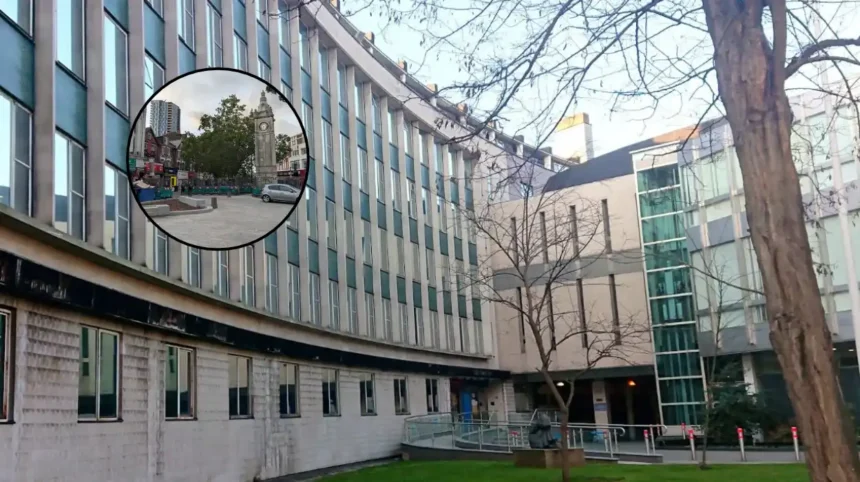
The Lewisham Clock Tower is a prominent local architectural landmark located in South East London, situated in the heart of Lewisham’s shopping high street and market area. Built originally in 1897 to commemorate the Diamond Jubilee of Queen Victoria, the clock tower has stood for over a century as a central reference point for residents, market traders, and commuters using nearby transport links.
Over decades of exposure to weather and urban traffic pollution, historic monuments of this nature frequently require structural stabilization, specialized stone cleaning, movement repair, and modern utility upgrades. In recent years, local councils across Greater London have increasingly relied on mixed capital regeneration grants and municipal planning budgets to safeguard heritage assets within major commercial centres. The clock tower restoration was formally integrated into Lewisham’s broader town centre investment strategy to preserve local identity while modernising surrounding public spaces, street lighting, and market facilities.
Prediction: How This Development Can Affect Local Residents and Businesses
The scheduled restoration of the Lewisham Clock Tower before March 2027 and the surrounding £30 million town centre upgrade are likely to impact several local stakeholder groups in distinct ways:
- Local Traders and High Street Businesses: In the short term, ongoing construction and restoration activities across the town centre may cause temporary pedestrian disruption, scaffolding footprints, or shifts in market stall locations. However, upon completion in 2027, the restored landmark and modernized public realm are expected to increase footfall, improve aesthetic appeal, and foster a more welcoming environment for shoppers and visitors.
- Local Ratepayers and Residents: The transparent management of the £100,000 budget—specifically retaining a robust contingency margin for listed asset repairs—provides financial clarity for local council taxpayers concerned about overspending during large-scale urban infrastructure projects.
- Heritage Advocates and Community Groups: The preservation of a key late-Victorian landmark guarantees that historical identity is retained within an urban area undergoing significant contemporary commercial redevelopment.