Key Points
- Policy Reversal: The Green Party administration in Lambeth has formally reversed long-standing plans to demolish the Cressingham Gardens and Central Hill housing estates.
- Decade-Long Campaign: Residents have actively campaigned for over ten years against demolition, advocating instead for retrofitting and structural maintenance.
- Architectural Heritage: Both sites are low-density 1960s social housing developments recognised by architectural historians for their community-focused design.
- Labour’s Prior Stance: Under previous Labour Party leadership, Lambeth Council argued that the estates were in poor condition and that redevelopment was essential to supply affordable and social housing.
- New Strategic Direction: The council’s updated approach shifts focus from full estate regeneration toward preservation, retrofitting, and direct maintenance.
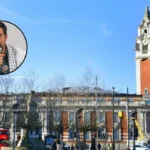
Lambeth (South London News) October 19, 2026 – Two architecturally acclaimed residential estates in south London, Cressingham Gardens and Central Hill, have been officially saved from demolition after more than a decade of uncertainty. Following a political shift in local governance, the Green Party has taken control of Lambeth Council and announced an immediate reversal of the long-contested demolition plans originally enacted by the previous Labour administration. The decision brings an end to a protracted dispute between local authorities and residents who have spent years campaigning to preserve their homes and communities.
- Key Points
- Why Were Cressingham Gardens and Central Hill Slated for Demolition?
- How Did Residents Mobilise Against Council Redevelopment Plans?
- What Led to the Green Party’s Policy Reversal in Lambeth?
- Background of the Particular Development
- Prediction: How This Development Can Affect London Residents and Housing Policy
Why Were Cressingham Gardens and Central Hill Slated for Demolition?
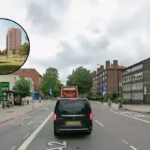
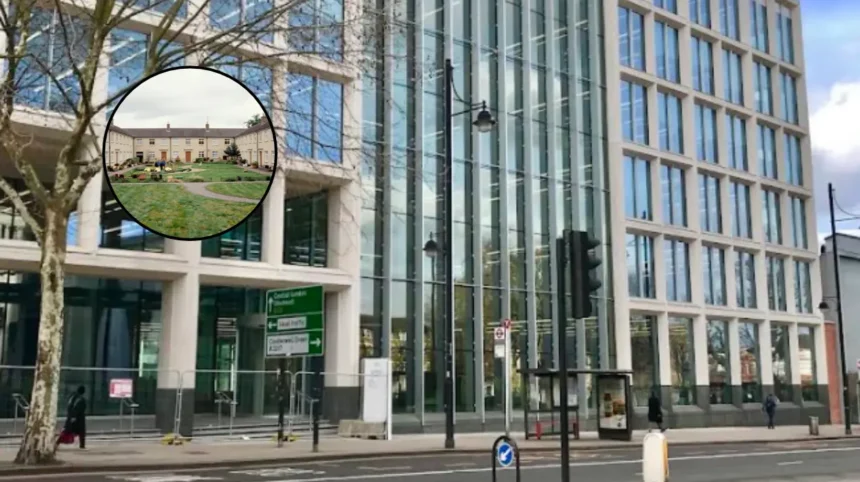
The dispute over Cressingham Gardens, located adjacent to Brockwell Park, and Central Hill in Upper Norwood began over ten years ago when Lambeth Council identified the sites for major regeneration. Built during the late 1960s and early 1970s under the direction of prominent municipal architects, both low-density housing complexes were celebrated for their innovative layout, generous green space, and emphasis on pedestrian-friendly community integration.
However, local authorities argued that decades of structural wear, combined with deteriorating infrastructure, rendered the estates increasingly costly to maintain. Under the stewardship of the Labour Party, Lambeth Council maintained that full demolition and replacement represented the most viable long-term solution. The local authority argued that rebuilding the sites would allow for a higher density of modern, energy-efficient housing, expanding the total supply of social and affordable units to address the borough’s extensive housing waiting list.
How Did Residents Mobilise Against Council Redevelopment Plans?
In response to the proposed redevelopments, residents across both estates formed organised campaign groups to oppose total clearance. Campaigners argued that the physical condition of the buildings was the direct outcome of prolonged maintenance backlogs by the local council rather than inherent structural failure.
Residents consistently highlighted the architectural significance of the 1960s designs, pointing to the low-rise structures, shared courtyards, and close-knit community bonds as rare characteristics in contemporary urban developments. Throughout the multi-year struggle, campaign groups commissioned independent structural surveys, submitted formal petitions, and mounted legal challenges to contest the council’s consultation processes and feasibility assessments. Community representatives advocated for a policy of “refurbishment first”, asserting that retrofitting existing structures would prove less disruptive, more environmentally sustainable, and economically preferable to complete demolition.
What Led to the Green Party’s Policy Reversal in Lambeth?
The political landscape in Lambeth underwent a major transition when the Green Party assumed political control of the borough council. Central to the Green Party’s local platform was an explicit commitment to halt estate demolition schemes and reassess municipal housing strategy through an environmental and social lens.
Upon taking office, the new council administration reviewed the housing portfolio and formally cancelled the demolition notices for both Cressingham Gardens and Central Hill. Green Party representatives stated that retaining and retrofitting existing housing stock aligns directly with carbon-reduction targets, as avoiding total demolition prevents the release of embedded carbon associated with large-scale construction activities. The reversal marks a fundamental shift in how Lambeth Council intends to handle estate management and urban planning moving forward.
Background of the Particular Development
The history of Cressingham Gardens and Central Hill reflects the broader evolution of British public housing policy from the post-war era to the present day. Constructed during a period when local municipal councils invested heavily in public architecture, both estates were designed to offer high-quality housing integrated into green surrounding landscapes. Cressingham Gardens was designed by architect E.C. “Ted” Hollamby, who prioritised low-rise human-scale layouts over the high-rise tower blocks common in that era. Similarly, Central Hill was constructed on a sloping site in Upper Norwood, offering views across London while incorporating private courtyards and pedestrian walkways isolated from vehicle traffic.
Over subsequent decades, changes in municipal funding models, combined with the introduction of Right to Buy policies, led to altered demographic balances and growing maintenance backlogs across municipal estates across Greater London. By the early 2010s, many local authorities, including Lambeth, sought partnerships with private developers under “estate regeneration” initiatives. These programmes typically involved demolishing older low-density council estates to construct higher-density developments containing a mixture of private market, shared ownership, and social housing.
Between 2012 and 2024, the debate over Cressingham Gardens and Central Hill became one of the most prominent estate redevelopment controversies in London. Proponents of regeneration emphasized the need for new, energy-efficient homes to alleviate acute borough-wide housing shortages. Opponents, comprising long-term tenants, leaseholders, and heritage conservationists, argued that demolition disrupted established communities, erased civic architectural history, and frequently resulted in net losses of traditional social-rented housing.
Prediction: How This Development Can Affect London Residents and Housing Policy
The decision to save Cressingham Gardens and Central Hill from demolition is expected to have significant implications for multiple stakeholders across south London, including local residents, municipal housing authorities, and the broader urban planning sector.
Implications for Estate Residents and Leaseholders
For the immediate residents and leaseholders of Cressingham Gardens and Central Hill, the reversal of the demolition orders provides long-sought stability after years of uncertainty regarding their housing tenure.
- Secured Housing Tenure: Tenants who faced potential displacement or relocation during construction phases can now remain in their long-term homes.
- Shift to Retrofitting: The focus moves from clearance toward structural repairs, energy-efficiency retrofits, and overdue maintenance, directly improving living conditions.
- Financial Certainty for Leaseholders: Property owners within the estates, who previously faced compulsory purchase orders or uncertainty regarding property valuation, regain market stability.
Implications for London Housing Policy and Urban Planning
The policy shift in Lambeth may serve as a precedent for municipal housing strategies across London boroughs facing similar decisions regarding 1960s and 1970s social housing estates.
- Precedent for Refurbishment: The move demonstrates the political viability of “refurbishment first” strategies over total demolition, potentially influencing local authorities considering regeneration schemes elsewhere in Greater London.
- Environmental Considerations: As councils seek to hit net-zero carbon targets, the preservation of existing structures to minimise embodied carbon emissions may increasingly take priority over new construction projects.
- Housing Supply Challenges: Without the higher-density housing units projected under the original demolition and rebuild plans, Lambeth Council will need to identify alternative sites and strategies to meet its overall social housing delivery targets and address long waiting lists.