Key Points
- Hammersmith Bridge Committee Deferred: Wandsworth Council postponed the formation of a dedicated Hammersmith Bridge committee following discussions with an independent councillor.
- Procedural Adjustments Made: Council Leader Councillor Robert Morritt withdrew the main setup recommendations, moving only a scheme for committee substitutes, which passed a vote.
- Bridge Context: The proposed committee aimed to advocate for reopening Hammersmith Bridge to vehicular traffic, including buses, cars, and lorries, after a closure exceeding seven years.
- Previous Voting Outcome: The General Purposes Committee had previously voted down the proposal eight days prior to the council meeting.
- Additional Council Decisions: The meeting covered separate key business matters, including a planning vote, allocation of £30,000 toward a statue of John Archer, and discussions regarding bulky waste collection charges.
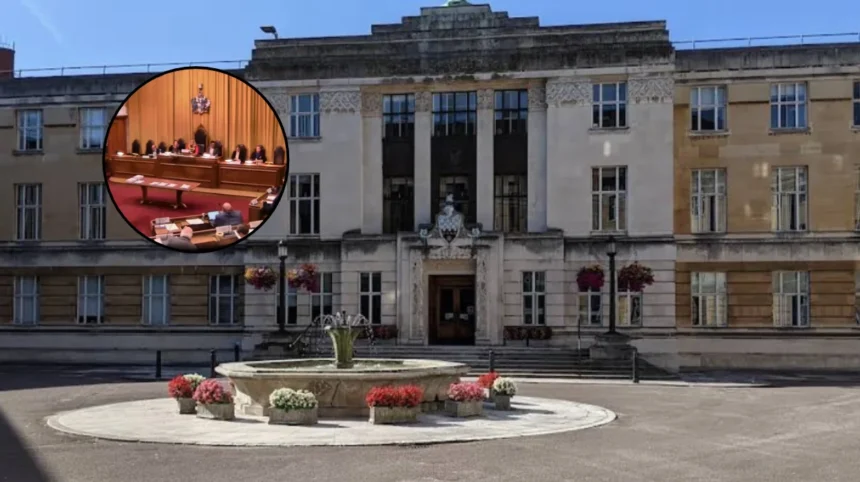
Wandsworth (South London News) October 22, 2026 – Wandsworth Council decided last night to defer the creation of its proposed Hammersmith Bridge committee after reaching an agreement following discussions that included the independent councillor who previously halted the proposal during a committee meeting. Council Leader Councillor Robert Morritt informed the assembly that the establishment of the committee would be held off until the next cycle of the council’s official calendar. To execute this postponement, Councillor Robert Morritt withdrew the primary two recommendations that would have formally constituted the committee, electing instead to move forward solely with a scheme establishing committee substitutes, which proceeded directly to a vote and was approved by members.
Why Did Wandsworth Council Decide to Postpone the Hammersmith Bridge Committee?
The decision to delay establishing the body followed procedural challenges at the committee stage. Council Leader Councillor Robert Morritt stated that the postponement was agreed upon after conversations involving the independent councillor who had blocked the motion eight days prior at the General Purposes Committee.
The intended structure of the proposed committee was designed to consist of six local councillors—split evenly with three representatives from each of the two main political parties within the council. The core remit assigned to this six-member committee was to construct and present arguments supporting the full reopening of Hammersmith Bridge to motor vehicles, specifically cars, buses, and heavy goods vehicles (lorries). The victorian suspension bridge has remained closed to motor traffic for more than seven years due to structural vulnerabilities.
Despite the withdrawal of the primary creation mandates, the procedural framework allowing committee substitutes was maintained and voted upon directly, securing passage through the council chamber.
What Other Decisions and Debates Took Place During the Council Meeting?
Beyond the deferral of the Hammersmith Bridge initiative, Wandsworth Council addressed a series of civic and financial measures on the evening’s agenda:
- John Archer Statue Funding: Council members deliberated on the allocation of £30,000 dedicated to the erection of a memorial statue honoring John Archer, who served as Mayor of Battersea and was one of the first Black mayors in London’s political history.
- Bulky Waste Service Charges: The council discussed operational details and fee structures surrounding municipal bulky waste collections across the borough.
- Planning Application Vote: Formal voting took place concerning local planning matters on the evening’s schedule.
Background of the Development
Hammersmith Bridge, a historic cast-iron suspension bridge designed by Sir Joseph Bazalgette and opened in 1887, has faced severe structural degradation. In April 2019, micro-fractures were discovered within its cast-iron pedestals, prompting an immediate ban on all motorized traffic to prevent catastrophic failure. The closure disrupted major commuter routes between the London Borough of Richmond upon Thames, the London Borough of Hammersmith and Fulham, and Wandsworth.
Funding for the comprehensive stabilization and eventual restoration of the Grade II* listed structure has remained a point of protracted friction between local authorities, Transport for London (TfL), and the Department for Transport. While pedestrian and cyclist access was restored following preliminary stabilization works, full vehicular restoration requires significant capital investment running into tens of millions of pounds. Wandsworth Council’s effort to establish a dedicated multi-party committee was framed as an initiative to press regional and national bodies for a definitive resolution that restores full cross-river vehicular transport.
Prediction: How This Development Can Affect Borough Residents and Commuters
The delay in forming Wandsworth Council’s Hammersmith Bridge committee prolongs the local authority’s formal lobbying effort regarding the river crossing’s future.
Impact on Local Commuters and Residents
- Extended Traffic Congestion: Commuters residing in Wandsworth, Putney, and adjacent South West London neighborhoods face continued traffic pressure on alternative crossings, such as Putney Bridge and Chiswick Bridge, as cross-river vehicular access remains restricted.
- Bus Route Disruption: Public transport users who previously relied on direct bus links across Hammersmith Bridge must continue relying on diverted routes or multi-modal travel transfers.
- Uncertain Financial and Political Timelines: The postponement shifts formal council advocacy to the next calendar cycle, pushing back structured local representation on funding negotiations with Transport for London and central government departments.