Key Points
- Residents at Amesbury Tower on Wandsworth Road, Lambeth, report that their living conditions have become like a “prison” following a 21-month outage of one of the building’s main lifts.
- The primary lift serving odd-numbered floors reportedly broke down in February 2025 and has remained out of service ever since.
- Tenants are currently forced to rely on a single remaining operational lift that serves even-numbered floors, which residents state is also subject to frequent breakdowns.
- Concerns have been raised regarding elderly, disabled, and vulnerable residents who face severe isolation when the single working lift fails, alongside difficulties for families carrying heavy loads.
- Lambeth Council stated that the lift has reached the end of its operational lifespan and confirmed that a replacement contract was awarded, but required regulatory clearance from the Building Safety Regulator (BSR) before major works could commence.
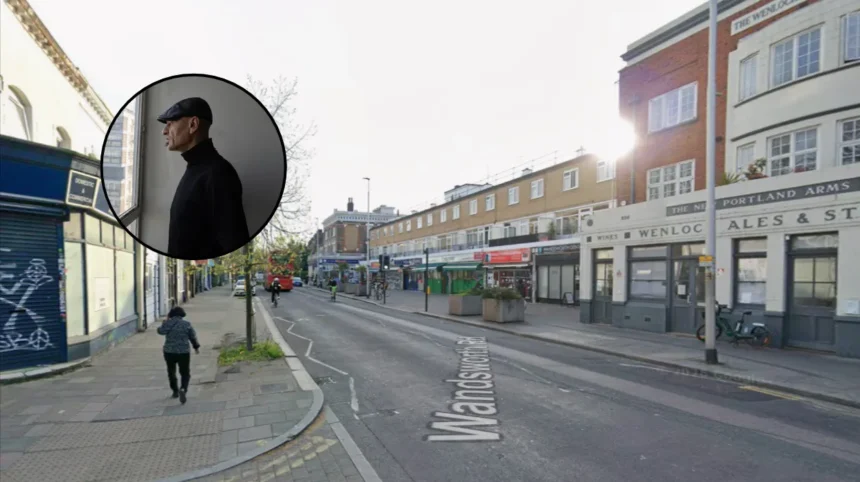
Lambeth (South London News) November 11, 2026 – People residing at Amesbury Tower on Wandsworth Road in the London Borough of Lambeth have described their high-rise estate as turning into a virtual “prison” following a 21-month disruption caused by an out-of-service lift mechanism. The crisis began when the lift designated to serve the odd-numbered floors broke down in February 2025 and was subsequently withdrawn from operation. As a result, hundreds of occupiers have been forced to share the building’s single remaining lift, which serves the even-numbered floors and suffers from intermittent technical failures.
What Are Residents Experiencing Inside Amesbury Tower?
As reported by Charlotte Lillywhite of MyLondon, local residents have voiced deep concern over the severe strain placed on the remaining operational lift and the daily physical toll it imposes on households. Tenants expressed anxiety that the single functioning unit is reaching the end of its mechanical lifespan due to overcapacity and frequent stalling.
Residents explained that simple actions, such as holding the lift doors open for neighbors carrying heavy shopping or managing family members, can trigger system errors that halt the remaining lift altogether. For individuals residing on upper floors, unexpected lift outages leave no alternative other than navigating multiple flights of stairs, creating severe logistical hurdles for elderly tenants, parents with young children, and residents with reduced mobility.
How Has the Local Authority Responded to the Breakdown?
As reported by Charlotte Lillywhite of MyLondon, a spokesperson for Lambeth Council acknowledged the ongoing disruption, confirming that the broken lift has reached the end of its service life and requires complete replacement. The council stated that it has apologised to residents for the ongoing inconvenience caused by operating with a single lift in the block.
According to official council records, a contract valued at £1.92 million was previously approved for lift refurbishment works across local estates, including Amesbury Tower. However, formal physical installation has experienced scheduling shifts. A Lambeth Council spokesperson detailed that major replacement works are projected to begin early in the New Year, subject to final regulatory approvals from the Building Safety Regulator (BSR).
The local authority highlighted that it is coordinating with maintenance contractors to keep the remaining operational lift functional and has engaged its estate guardian service to provide direct logistical support to vulnerable occupants.
Background of the Development
Amesbury Tower is a residential high-rise block situated on the Westbury Estate on Wandsworth Road, managed under the housing portfolio of Lambeth Borough Council. Infrastructure challenges across municipal housing estates in Greater London have frequently drawn scrutiny from the Housing Ombudsman and resident advocacy groups due to aging mechanical assets and complex supply-chain timelines for specialized lift parts.
Under building safety legislation updated across the United Kingdom in recent years, major refurbishment and structural works on high-rise residential buildings (defined as structures over 18 metres or seven storeys) require explicit gateway approvals from the Building Safety Regulator before intrusive engineering can begin. These regulatory procedures were designed to ensure strict compliance with fire safety and structural integrity standards, though housing providers have frequently cited the multi-stage approval process as a factor extending project lead times for structural replacements.
Future Outlook & Impact Assessment
How Will This Development Affect Local Residents and Housing Management?
The prolonged single-lift operational state at Amesbury Tower creates immediate and long-term implications for several key stakeholder groups:
- Vulnerable and Mobility-Impaired Tenants: Until the primary lift is completely replaced and fully commissioned, residents with chronic health conditions, physical disabilities, or advanced age face a heightened risk of social isolation and restricted access to medical appointments, essential grocery trips, and outdoor activities.
- Building Operations and Emergency Services: Reliance on a single lift increases mechanical wear and tear, elevating the likelihood of total building access outages. In the event of emergency medical callouts, paramedics and first responders face potential delays if the single lift is occupied or out of service, forcing heavy medical gear to be carried manually up stairwells.
- Local Authority Governance: The delay underscores the operational balancing act faced by local councils navigating stringent statutory oversight under the Building Safety Regulator alongside urgent tenant welfare requirements. The eventual commencement of construction in early 2027 will serve as a critical benchmark for how municipal landlords manage long-term infrastructure overhauls in high-density social housing estates.