Key Points
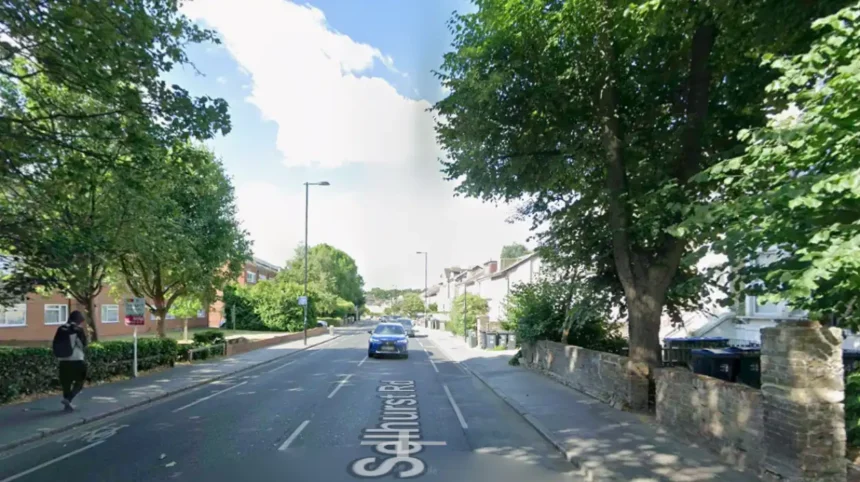
- Full closure period: Selhurst Road in South London will be completely closed to all vehicular traffic and pedestrians from 8:00 AM on Saturday, 12 December until 5:00 PM on Sunday, 10 January.
- Bridge demolition: The 165-year-old Victorian-era Selhurst Bridge has reached the end of its serviceable life and will be demolished and replaced during the closure.
- Major engineering project: Network Rail is undertaking the significant infrastructure replacement project over the Christmas and New Year period.
- Adjoining road restrictions: Edith Road, which adjoins Selhurst Road, will also be closed to vehicular traffic; however, pedestrian access on Edith Road will remain open.
- Impact on travel: The road closure directly beneath the railway structure will disrupt local bus routes, vehicular commuting, and pedestrian thoroughfare throughout the holiday period.
South London (South London News) November 11, 2026 — Selhurst Road, a critical arterial route in South London, has been closed to all vehicular traffic and pedestrians for almost a month over the Christmas and New Year holiday period to facilitate the demolition and complete replacement of the historic Selhurst Bridge structure underneath the railway line. Network Rail confirmed that the full road closure commenced at 8:00 AM on Saturday, 12 December, and is scheduled to remain in effect until 5:00 PM on Sunday, 10 January. The infrastructure project requires the removal of the 165-year-old Victorian-era railway bridge, which engineers have determined has officially reached the end of its serviceable life.
As part of what Network Rail describes as a “significant engineering project,” the works necessitate total access to the area directly beneath the bridge structure. Consequently, the adjoining Edith Road has also been closed to all motor vehicles for the duration of the works. Pedestrians will still be able to access Edith Road, though pedestrian thoroughfare directly along Selhurst Road beneath the structure is completely suspended for safety reasons while heavy demolition and installation machinery is in operation.
What is the structural condition of the 165-year-old Selhurst Bridge?
According to statements issued by Network Rail, the Selhurst Bridge has been transporting passenger and freight trains continuously across Selhurst Road for approximately 165 years. Having been constructed during the mid-Victorian expansion of London’s rail network, the bridge’s metallic and masonry structural elements have naturally deteriorated over more than a century and a half of continuous service.
Network Rail civil engineering assessors determined that the aging structure has reached the end of its serviceable life and can no longer be maintained through localized repairs. To ensure long-term structural safety, prevent weight restriction enforcement on the railway line above, and avoid unplanned emergency closures, engineers scheduled a complete replacement of the deck and supporting spans. Carrying out the replacement during the festive period allows engineers to capitalize on reduced passenger train schedules, though it creates localized road travel disruption.
How will the road closures affect local drivers and pedestrians?
The complete prohibition of traffic along Selhurst Road creates significant diversions for local private vehicles, commercial transit, and public bus operations across the Croydon and South London area. Local authorities and transport managers have deployed temporary signage and diversion routes to re-route drivers away from the bridge site.
Pedestrians are similarly impacted, as the total closure directly beneath the railway bridge prevents foot traffic from crossing under the tracks at this location. While Edith Road remains open to people on foot, motorists attempting to access property or travel through Edith Road face vehicular barriers. Emergency services, local transport bodies, and residents have been advised to account for extended travel times throughout the four-week construction window.
Background of the Selhurst railway bridge infrastructure development
Selhurst Bridge was originally constructed in the mid-19th century as part of the rapid expansion of the London, Brighton and South Coast Railway. The bridge forms part of the essential railway corridor linking Central London railway hubs—such as London Victoria and London Bridge—with key suburban terminals and Southern coastal destinations through the busy Selhurst railway depot and junction.
Over its 165-year history, the bridge supported a massive increase in train frequency, speed, and overall axle weight compared to the steam-era locomotives it was initially built to carry. While routine maintenance, structural painting, and minor reinforcements prolonged its lifespan through the late 20th and early 21st centuries, Victorian-era ironwork and masonry inevitably succumb to fatigue and environmental weathering. Network Rail’s continuous assessment program identifies aging structures across the national network, prioritising full reconstruction for assets approaching structural limits to maintain safety standards across Great Britain’s rail corridors.
Prediction: How will this development affect South London residents and commuters?
The month-long closure of Selhurst Road and the replacement of Selhurst Bridge will have both immediate operational effects and long-term infrastructure benefits for the local community, transport operators, and regional commuters.
In the immediate term, residents of Selhurst, South Norwood, and the broader London Borough of Croydon will experience heightened localized traffic congestion, particularly along alternative diversion routes such as Whitehorse Lane, South Norwood Hill, and the A212. Local bus services normally routing through Selhurst Road will require diversions or split-route operations, increasing journey times for daily commuters and holiday shoppers. Nearby traders and local businesses on Selhurst Road may see temporary changes in footfall due to restricted pedestrian transit through the rail underpass.
In the long term, the complete replacement of the bridge removes a major structural risk on a heavily utilized railway corridor. Railway passengers will benefit from improved line reliability, reduced risks of speed restrictions caused by aging bridge decks, and decreased likelihood of future emergency disruptions. Furthermore, once the modern structure is installed, the new bridge will secure safe road and rail passage for decades to come, minimizing the need for heavy structural maintenance interventions on Selhurst Road in the foreseeable future.