Key Points
- Greenwich Council refused retrospective planning permission for a five-bedroom, five-person house in multiple occupation (HMO) at 184 Ancona Road, Plumstead, on Tuesday, November 17.
- The application was submitted by MEstates Ltd after the two-storey property had been converted from a single-family dwelling into an HMO.
- The council said the property’s gross internal area of 95.85 square metres was below its 130-square-metre minimum requirement for the original property.
- Greenwich Council said the proposal failed to protect family dwellings and would not provide an acceptable living environment.
- The property has five single bedrooms, one bathroom, and a separate toilet and sink.
- Planning documents said a partition between the former living and dining rooms had created two bedrooms on the ground floor.
- The applicant said the bedroom sizes complied with Greenwich’s HMO guidance and that the property had 63 square metres of garden space.
- The council also refused the application because it found that bathroom and toilet provision was inadequate.
- The decision notice said no pre-application advice was sought before the application was submitted.
- The applicant may appeal the refusal to the Planning Inspectorate within six months.
Plumstead (South London News) November 20, 2026 — Greenwich Council has refused retrospective planning permission for a five-bedroom house in multiple occupation at 184 Ancona Road, after concluding that the converted property was too small and did not provide adequate bathroom and toilet facilities.
As reported by the News Shopper, the application was submitted by MEstates Ltd and sought retrospective consent for the change of use of the two-storey property from a single-family dwellinghouse to a five-bedroom, five-person HMO. The council refused permission on Tuesday, November 17.
The property had already been altered from a single-family home into an HMO for five people before the retrospective application was submitted. It was arranged with five single bedrooms, one bathroom and a separate toilet and sink.
In its decision, Greenwich Council said the property had a gross internal area of 95.85 square metres, which was below the 130-square-metre minimum requirement for the original property. The council said this meant the conversion failed to protect family dwellings under part 2(a) of policy H6.
As reported by the News Shopper, the council stated:
“The development would result in the change of use of a property with gross internal area of 95.85m² to a HMO, which falls below the minimum requirement of 130m² for the original property.”
The authority added: “The proposal therefore fails to protect family dwellings, as required by part 2 (a) of policy H6.”
Greenwich Council also said the proposal would not provide an acceptable living environment, as required by part 2(b) of policy H6.
What Did the Plans Include?
Planning documents said a partition between the former living and dining rooms had been used to create two bedrooms on the ground floor. The application sought retrospective permission for the conversion of the property into a five-bedroom, five-person HMO.
The applicant argued that the bedroom sizes complied with Greenwich’s HMO guidance. The documents also said the property benefited from a combined 63 square metres of garden space.
The rear garden was proposed as a communal area for residents, while external cycle storage was also included in the plans.
The planning documents pointed to the property’s location near Plumstead Common, several bus routes and Plumstead railway station. The plans proposed four 240-litre bins, including two for general waste, one for mixed recycling and one for organic waste, with the bins to be kept in the front garden.
Why Was Bathroom Provision a Concern?
The size of the house was not the council’s only concern. Greenwich Council issued a second reason for refusal after finding that the property did not provide adequate bathroom and toilet facilities.
The council said: “The proposal fails to provide adequate bathroom / wc provision.”
According to the News Shopper, the authority said the plans consequently conflicted with a number of Greenwich and London-wide planning policies concerning housing standards and HMOs.
The decision notice also revealed that no pre-application advice had been sought before the application was submitted.
What Did the Council Say About Further Discussions?
Greenwich Council said the proposal was “clearly contrary to the provisions of the Development Plan”. The authority decided that further discussions would have been “unnecessary and costly for all parties”.
The council’s refusal means the applicant does not currently have planning permission for the HMO use at 184 Ancona Road. The decision notice set out the council’s concerns over the property’s size, family-housing protection, living conditions and bathroom and toilet provision.
Can the Applicant Appeal?
The applicant has the right to appeal the refusal to the Planning Inspectorate within six months.
The appeal process would allow the applicant to challenge Greenwich Council’s decision. The Planning Inspectorate would consider the case and decide whether the refusal should be upheld or overturned.
Background of the Development
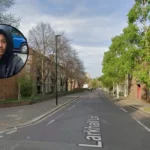
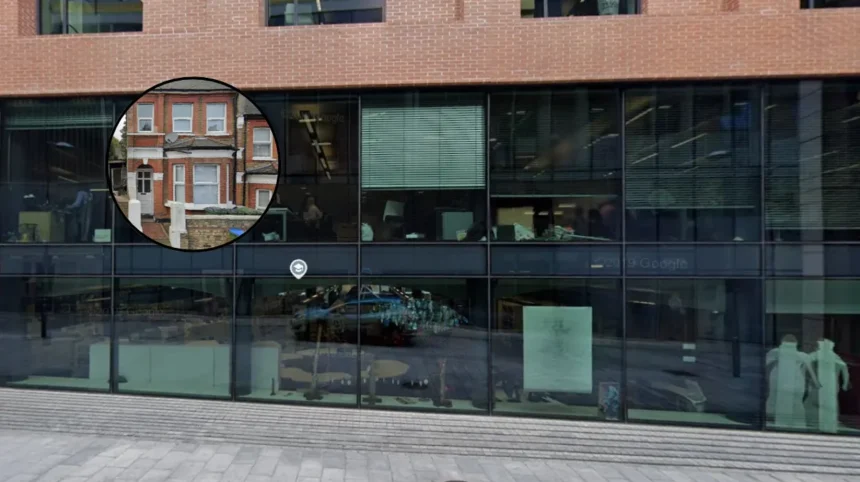
184 Ancona Road is a two-storey property in Plumstead, in the Royal Borough of Greenwich. The application concerned a retrospective change of use from a single-family dwellinghouse, under Use Class C3, to a five-bedroom, five-person HMO, under Use Class C4.
The proposal also included the provision of cycle and refuse storage and other associated works. The application was registered on September 22, 2026, under reference 26/1202/F.
Greenwich Council’s landlord licence public register lists a mandatory HMO licence for 184 Ancona Road, with licence reference RBG-010865242442. The licence is recorded in the name of James Mallows and runs from January 9, 2024, to January 8, 2029.
The council’s refusal followed its assessment of the converted property against local and London-wide planning policies on housing standards and HMOs. The authority found that the property’s internal area and bathroom and toilet arrangements did not meet the requirements set out in its decision.
Prediction: How Could This Affect Plumstead Residents and Landlords?
The refusal may affect Plumstead residents and landlords by reinforcing the importance of meeting Greenwich Council’s space, living-environment and facilities standards before converting family homes into HMOs. For tenants, the decision may reduce the immediate availability of five-bedroom shared housing at this particular address, although it does not determine the wider supply of HMO accommodation in the borough.
For landlords and developers, the case may highlight the need to assess a property’s gross internal area, bathroom and toilet provision and compliance with planning policies before carrying out a conversion. The council’s decision indicates that retrospective applications may still be refused where the existing conversion does not meet the required standards.
For local residents, the refusal may be seen as a planning decision that maintains the property’s potential use as family housing, based on the council’s assessment that the proposal failed to protect family dwellings. The applicant’s possible appeal could determine whether the HMO use is ultimately allowed at the property.