Bromley is a practical and varied South London base for first-time visitors, with shopping, parks, heritage sites, theatres, and easy rail links into central London. It works well for tourists, leisure travellers, remote workers, and business visitors who want a quieter stay with strong access to the capital.
- What is Bromley and where is it?
- Why should first-time visitors choose Bromley?
- What should you do in Bromley?
- Which hidden places are worth seeing?
- Where should you eat and drink?
- How do you get around Bromley?
- Where can you work remotely?
- How much time do you need?
- What is the best first-time itinerary?
- What should visitors remember before going?
What is Bromley and where is it?
Bromley is a large town in the London Borough of Bromley in south-east London, with a mix of town-centre amenities, suburban neighbourhoods, and nearby heritage and green spaces. It sits within Greater London and is known for transport access, retail, parks, and day-trip attractions rather than one single landmark.
For first-time visitors, the key point is that Bromley is a destination with several different layers. The town centre is compact and walkable, while the wider borough includes places such as Chislehurst, Beckenham, Down House, Biggin Hill, and other areas that add depth to a visit. That makes Bromley suitable for a short city break or as a base for exploring South London and Kent-border attractions.
Historically, Bromley developed as a market town and later grew into a suburban centre with strong rail connections and retail infrastructure. Today, it functions as both a local service hub and a visitor destination with theatres, shopping, dining, and family attractions.
Why should first-time visitors choose Bromley?
Bromley suits first-time visitors because it combines convenient transport, varied food options, shopping, family activities, and access to hidden heritage sites. It offers a calmer South London stay with enough to fill one to four days, depending on pace and interests.
Travel guides place Bromley among destinations that deserve at least two full days, with some recommending four days for a fuller experience. That range reflects the town’s structure: one part urban high street, one part leisure district, and one part gateway to surrounding attractions. Visitors also benefit from strong local services, which helps when planning lunch stops, evening entertainment, or work-friendly downtime.
This balance matters for different audiences. Tourists get a manageable, less crowded base. Residents can rediscover lesser-known sites. Digital nomads gain access to cafes and predictable transport. Business travellers can use the town as a convenient South London stop with restaurants and evening venues nearby.
What should you do in Bromley?
First-time visitors should split Bromley into four activity types: shopping, culture, green space, and local heritage. The town centre gives you the basics, while the borough adds theatres, museums, parks, and unusual attractions that make the trip more complete.
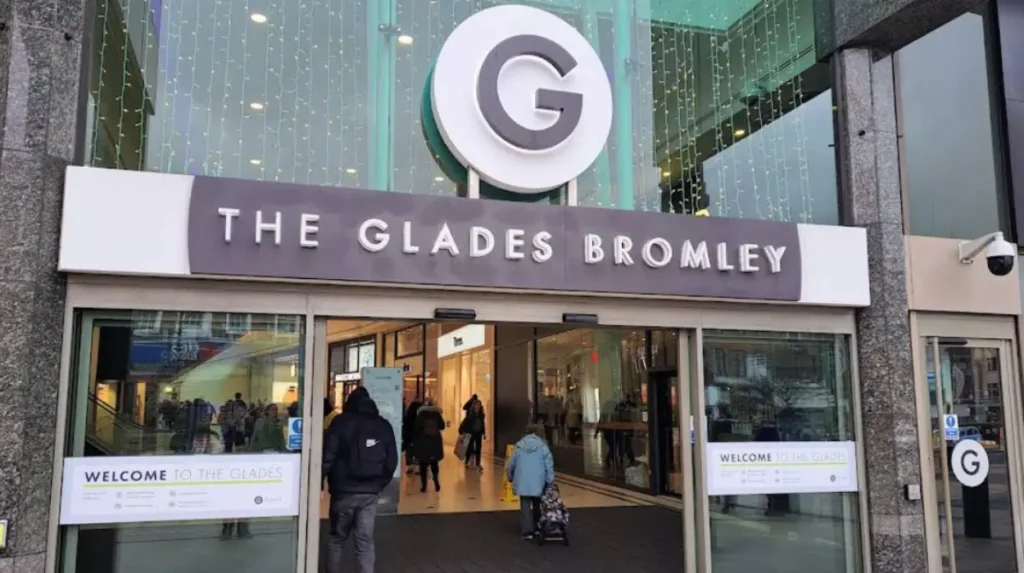
The most obvious stop is The Glades shopping centre and the surrounding high street area, which anchor Bromley’s central visitor experience. This is where you find retail, food, and easy access to transport and leisure services. Churchill Theatre is another major draw for visitors who want evening entertainment, while Vue cinema adds a mainstream leisure option in the town centre.
For family-friendly and general leisure ideas, Bromley also has a wide spread of attraction listings, with directories showing a large number of activities across the borough. That includes indoor activities, parks, museums, and local entertainment venues. In practical terms, Bromley works best when visitors combine one town-centre activity with one heritage or nature stop in the wider area.
Which hidden places are worth seeing?
Bromley’s strongest hidden sites are its heritage and culture spots outside the main shopping area. Down House, Chislehurst Caves, Bethlem Gallery and Museum of the Mind, Bromley Little Theatre, and Penge Murals are among the most distinctive places for curious visitors.
These places broaden the trip beyond the high street. Down House is linked with Charles Darwin’s life and gives Bromley historical depth. Chislehurst Caves offer a dramatic underground experience and remain one of the borough’s best-known unusual attractions. Bethlem Gallery and Museum of the Mind adds an arts-and-mental-health perspective that appeals to visitors seeking culture with context.
Bromley Little Theatre and Bridge House Theatre in Penge add smaller-scale performing arts options. Penge Murals give the area a public-art trail feel, which is useful for visitors who prefer walking routes and local character over formal sightseeing. As you explore the modern site, you are crossing land with a deep heritage. Read about the full [Bromley local history guide] to understand its origins.
Where should you eat and drink?
Bromley has a practical and varied food scene, with affordable restaurants, vegetarian-friendly options, casual dining, and pubs that suit both short visits and longer stays. The town centre gives the broadest choice, while nearby neighbourhoods add more local character.
Recent travel guidance highlights Kekik Kitchen and Madisons for affordable eating, while Grounded Brothers and Shampan Bromley are recommended for vegetarian or vegan meals. This shows that Bromley is not just a commuter town with chain venues; it has independent places that suit different budgets and diets. For visitors who prefer simple planning, the town centre is the easiest area to eat in because food options sit close to the shopping and transport core.
Local discussion also points to pubs, seafood, Asian food, pizza, and casual dining around the borough. That gives Bromley a useful after-hours profile for visitors who want dinner, drinks, or a relaxed evening after sightseeing. For first-time travellers, the best approach is to treat lunch and dinner as part of the itinerary, not as an afterthought, because Bromley’s food scene is one of the easiest ways to experience local life.
How do you get around Bromley?
Bromley is easy to navigate because it combines rail access, walkable town-centre streets, and short local trips to nearby suburbs and attractions. Visitors can use the town centre as a base and then travel outward for heritage sites, parks, or entertainment.
Bromley’s travel value comes from convenience. KAYAK describes it as a place where visitors can organise arrival, accommodation, food, and activities efficiently, which points to a compact trip structure. In practical terms, the town centre is the easiest area to explore on foot, while destinations like Down House or Chislehurst require a wider borough journey. That means first-time visitors should plan Bromley as a mixed-format trip: walk the core, then travel out for the landmarks.
For day-to-day movement, visitors usually benefit from trains and local buses because the borough is spread out rather than concentrated in one district. This matters for digital nomads and business travellers too, because a transport-efficient base reduces downtime between meetings, work sessions, and evening activities. It also makes Bromley a sensible place to stay if you want South London access without central London prices or pace.
Where can you work remotely?
Bromley supports remote work through cafes, central amenities, and a town-centre environment that suits short work sessions between meetings or sightseeing. It is not a dedicated co-working district, but it works well for flexible laptop-based travel.
The town’s value for digital nomads comes from its practical layout. Central Bromley offers food, shopping, and leisure in one area, which helps when you need a work block before or after sightseeing. The presence of cafés, restaurants, and easy transport also makes it simpler to organise a productive day without long cross-city travel.
For business travellers, Bromley gives a workable balance between downtime and access. You can attend meetings, take lunch locally, visit a theatre in the evening, or use the surrounding borough for a quiet walk or cultural stop. The overall experience is more functional than fashionable, but that is an advantage for travellers who want reliable logistics and low-friction planning.
How much time do you need?
Most first-time visitors need one full day for the town centre and two to four days for a fuller Bromley trip. The right length depends on whether you want shopping and dining, or a wider itinerary with heritage, culture, and nearby South London attractions.
A one-day visit covers the essentials: Bromley town centre, a meal, a theatre or cinema stop, and a short walk through the main shopping streets. Two days lets you add a hidden gem such as Chislehurst Caves, Down House, or a local gallery. Three to four days gives enough time to slow down and include leisure travel, work breaks, and more than one neighbourhood.
This matters for itinerary planning because Bromley is not a single-attraction destination. It is a layered local hub with several points of interest distributed across the borough. Visitors who understand that structure usually enjoy the trip more, because they stop expecting one central landmark and instead build a route that matches the area’s real character.
What is the best first-time itinerary?
A strong first-time itinerary combines the town centre, one heritage attraction, one food stop, and one evening venue. This gives you a complete view of Bromley without forcing the day into a rushed sightseeing schedule.
Start in the centre with The Glades and the high street area, where you can understand Bromley’s commercial core. Then choose one cultural or historic stop, such as Down House, Chislehurst Caves, or Bethlem Gallery and Museum of the Mind. Add lunch or dinner at one of the recommended independent places, then finish with theatre, cinema, or a relaxed pub evening.
For a second day, move into the borough’s quieter side. Use a park, a cultural venue, or a neighbourhood walk to see a less commercial version of Bromley. That structure suits tourists and residents alike because it reflects how the area actually works: centre first, then layers of history, culture, and local life.
What should visitors remember before going?
Visitors should treat Bromley as a South London base with multiple neighbourhoods, not as a single compact attraction. The best trip combines transport planning, one or two hidden sites, and time for food, shopping, and culture.
The borough rewards practical planning. KAYAK-style visitor guides, attraction listings, and local heritage round-ups all show the same pattern: Bromley is broad, usable, and more interesting when you move beyond the main shopping streets. That makes it a useful destination for tourists who want variety, as well as for locals who want a fresh weekend plan.