Bexley Council stands as the heartbeat of local governance in the London Borough of Bexley, delivering vital services to over 246,000 residents across this green and thriving South London enclave. Established in 1965, it navigates everything from housing and education to environmental stewardship, ensuring Bexley remains a desirable place to live, work, and raise families. This evergreen guide explores the council’s history, structure, services, and ongoing initiatives, optimized for South Londoners seeking reliable insights into their local authority.
Historical Foundations
Bexley Council’s story begins in the late 19th century, when the parish of Bexley, encompassing villages like Bexleyheath, formed a local government district in 1880 under an elected board. By 1894, the Local Government Act transformed it into Bexley Urban District, which achieved municipal borough status in 1935, marking a milestone in self-governance. The pivotal shift came with the London Government Act 1963, which birthed the modern London Borough of Bexley on April 1, 1965, by amalgamating the Municipal Boroughs of Bexley and Erith, Crayford Urban District, and portions of Chislehurst and Sidcup Urban District.
Early years saw Bexley operating alongside the Greater London Council (GLC), which handled wider services like transport until the GLC’s abolition in 1986. Since then, Bexley has expanded its remit, now balancing local priorities with oversight from the Greater London Authority (GLA) on matters like strategic planning and policing. This evolution reflects Bexley’s transition from rural parishes to a suburban powerhouse in South London, preserving historic sites like Hall Place while embracing modern needs.
Governance and Leadership
At its core, Bexley Council follows a Leader and Cabinet executive model, with 45 elected councillors representing 17 wards, each typically holding two or three seats. The Cabinet, led by Councillor Teresa O’Neill of the Conservative Party, comprises seven members overseeing key portfolios such as finance, housing, education, health, and community safety. This structure ensures decisive leadership while regulatory committees like Planning and Licensing handle specialized, quasi-judicial decisions independently.
Overview and Scrutiny Committees play a crucial accountability role, reviewing Cabinet actions and engaging residents through public consultations. Full Council meetings, attended by all 45 members, tackle high-level strategies including annual budgets and policy frameworks. The Constitution, accessible on the council’s website, promotes transparency, allowing South Londoners to participate in meetings, submit questions, or contact their ward councillors directly.
Politically, Conservatives have dominated since 2006, currently holding around 30 seats against 12 Labour and a handful of Independents, fostering stability for long-term projects. Elections every four years, with the last major boundary review in 2018, keep representation fresh across wards like Belvedere, Crayford, and Sidcup.

Core Services Delivered
Bexley Council manages an array of essential services tailored to daily life in South London. As the billing authority, it collects council tax and business rates, funding everything from street lighting to social care. In planning, it approves developments in line with GLA policies, balancing growth with green belt protection across Bexley’s 21 square miles.
Education falls under its local authority duties, supporting over 80 schools, special needs provisions, and lifelong learning programs. Housing services include managing council homes, tackling homelessness, and regenerating areas like Thamesmead East. Waste and recycling collections, street cleansing, and environmental health enforcement keep neighbourhoods pristine, with online portals for reporting fly-tipping or potholes.
Social services safeguard vulnerable residents, while libraries, parks, and leisure facilities enrich community life—Bexley boasts over 100 parks, including the expansive Foots Cray Meadows Site of Special Scientific Interest. Digital innovations like the MyBexley app streamline access to these services, reflecting a commitment to resident convenience.
Premises and Modern Operations
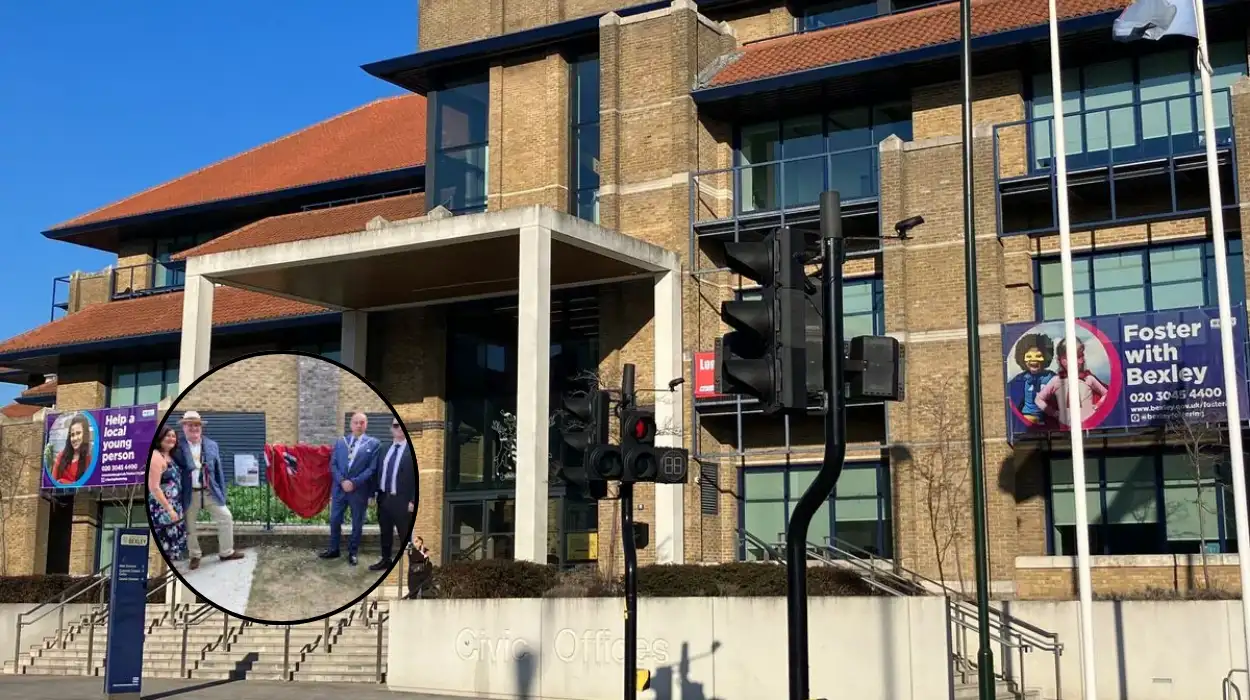
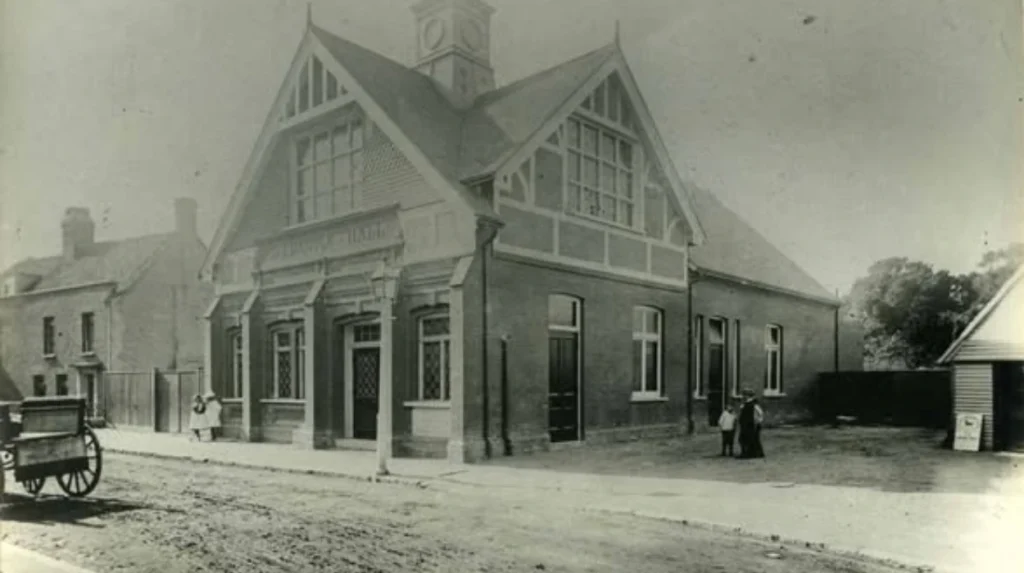
The council’s nerve center is the Bexley Civic Offices on Watling Street in Bexleyheath, a sleek modern facility that opened in 2014 after repurposing from the Woolwich Building Society headquarters. This consolidation streamlined operations previously scattered across sites like Erith Town Hall and Crayford’s historic base. The energy-efficient building symbolizes Bexley’s forward-thinking approach, housing departments for efficient service delivery.
Digital transformation drives operations, with bexley.gov.uk offering 24/7 access to payments, applications, and live chat support. Partnerships with tech firms enhance cybersecurity and data analytics, ensuring robust handling of resident queries amid growing demands.
Key Achievements and Initiatives
Bexley Council has earned acclaim for financial prudence and innovative partnerships. Its Corporate Plan emphasizes inclusive growth, clean environments, and resilient communities, aligning with visions like “Bexley 2030”. A standout collaboration with Bromley Council delivered state-of-the-art libraries, including the award-winning Crayford Library, through shared services that save millions while improving access.
Environmental wins include expanding recycling rates to over 50% and protecting biodiversity in Danson Park and the River Cray corridor. Health initiatives, partnered with the NHS, promote active lifestyles via upgraded parks and cycling routes, contributing to Bexley’s high life expectancy rankings. The Equality, Diversity, and Inclusion Policy ensures services reach all, from disability access to cultural events celebrating Bexley’s diverse population.
Regeneration projects like the Bexley Garden Living initiative deliver affordable, high-quality homes with green spaces, addressing housing pressures without urban sprawl. During challenges like the pandemic, swift adaptations in social care and business support underscored resilience.
Community Engagement and Future Vision
Engagement is woven into Bexley Council’s fabric, with resident panels, surveys, and forums shaping policies from traffic calming to youth services. Events like the annual Bexley Festival highlight local pride, fostering unity in wards from Barnehurst to Erith.
Looking ahead, priorities include net-zero ambitions by 2030, digital inclusion for aging populations, and economic boosts via the Elizabeth Line’s Abbey Wood extension. By prioritizing self-sufficiency and cross-borough ties, Bexley Council positions itself as a model for South London governance.
Bexley Council’s enduring legacy lies in blending heritage with innovation, making it an indispensable ally for residents navigating South London’s dynamic landscape. For the latest updates, visit bexley.gov.uk or connect with your local councillor—your voice shapes Bexley’s tomorrow.