Croydon Council’s roots extend to 1829 when improvement commissioners formed to tackle rapid urban expansion in the emerging town center. An elected local board assumed control by 1849, paving the way for municipal borough status in 1883, complete with a mayor, aldermen, and burgesses leading governance. The contemporary London Borough of Croydon emerged in 1965 through the London Government Act 1963, unifying the former County Borough of Croydon with Coulsdon and Purley Urban District, granting full powers effective from April 1 of that year.
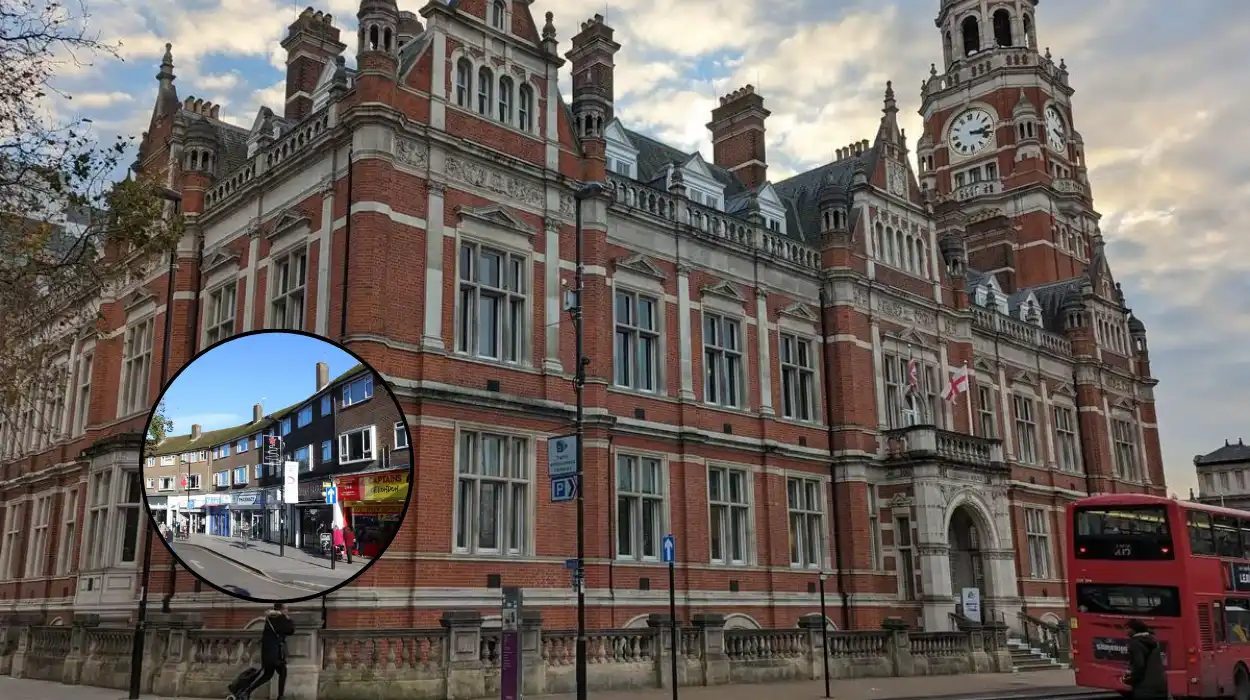
The landmark Town Hall, crafted by architect Charles Henman, debuted in 1896 on the site of the old Central Railway Station, featuring striking red brick from Kent quarries and Portland stone accents in a neoclassical style. This edifice embodied Croydon’s elevation to county borough in 1889, affording autonomy in services like education and sanitation while remaining linked to Surrey County Council for broader functions. Earlier milestones included the 1930 opening of modern council offices and the granting of a heraldic coat of arms between 1952 and 1953, underscoring the area’s pre-London borough heritage.
Governance Structure
Operating as the “Mayor and Burgesses of the London Borough of Croydon,” the council functions as a unitary authority with 70 councillors representing 24 wards, elected every four years to ensure democratic oversight. Since 2022, it has operated without overall control, guided by a minority Conservative administration under directly elected Mayor Jason Perry, who assumed office that year. Labour previously dominated from 2014 to 2022, steering through fiscal turbulence that included section 114 notices—effective bankruptcy declarations—in both 2020 and 2022.
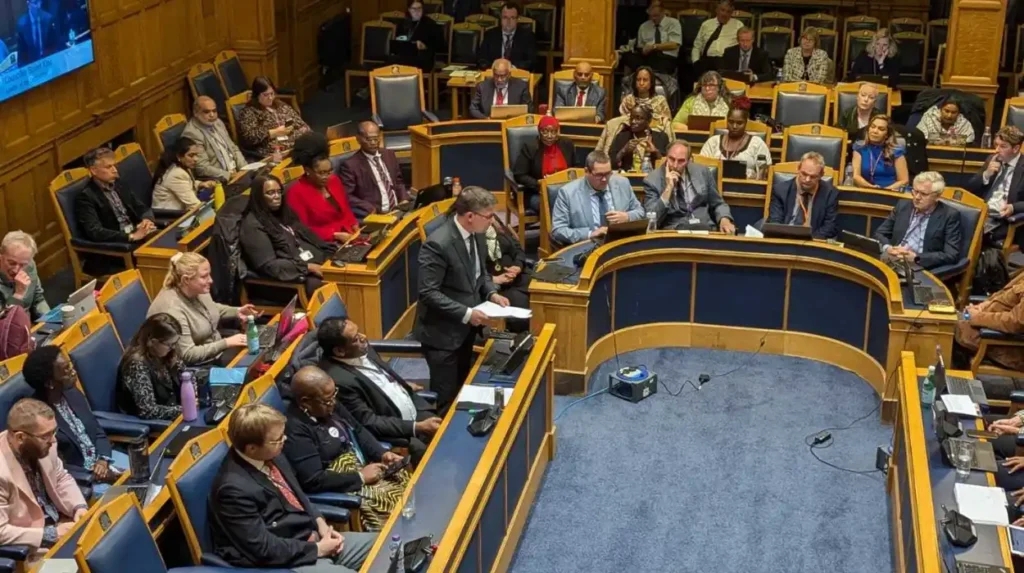
The mayor directs cabinet portfolios on strategic matters, while plenary council sessions at the Katharine Street Town Hall deliberate budgets, policies, and major decisions. Core responsibilities encompass education across more than 70 schools, social care provisions, urban planning, and leisure facilities, with contemporary emphasis on regeneration to match South London’s housing and economic surge. Public accountability thrives through consultations, the official croydon.gov.uk portal, and live-streamed meetings, fostering transparency for residents.
Key Services Overview
Croydon Council manages essential infrastructure including highways maintenance, refuse and recycling collections, and stewardship of over 8,000 acres of parks like the scenic Lloyds Park. Housing programs combat affordability pressures, targeting over 2,000 new units through the Croydon Growth Zone initiative amid regional demand. Educational support spans state primaries, academies such as Harris Academy, and eligibility schemes for free school meals, nurturing the next generation.
Public health initiatives feature mental health support hubs established post-COVID, complemented by library networks like the Clocktower, which houses invaluable local history archives. Enhanced transport connectivity via Tramlink and London Overground benefits from council-backed cycle lanes and infrastructure upgrades linking to central London. Business-friendly planning portals expedite applications, fueling regeneration in districts like Purley and Coulsdon, while waste services innovate with weekly bins and food waste pilots slashing landfill use by 20 percent.
Social care safeguards adults and children, serving more than 10,000 vulnerable individuals yearly, and leisure venues under Arena management host sports, events, and cultural activities. Planning approvals, such as the expansive Westfield shopping center, anchor economic vitality in this South London hub.
Recent Achievements
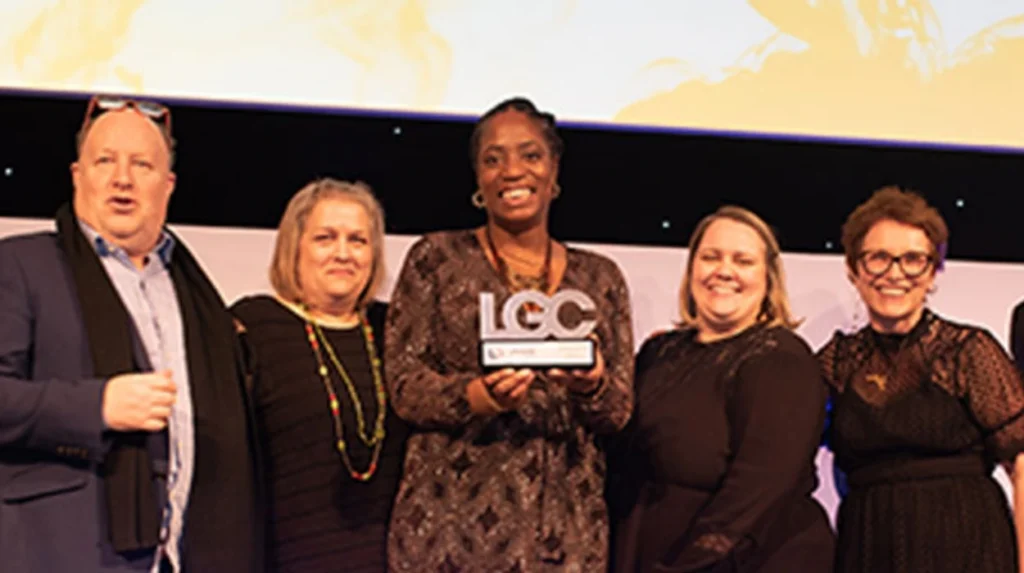
Sustainability efforts have garnered acclaim, with Croydon Council advancing toward net-zero emissions by 2030 through solar installations on over 50 public buildings. The post-2020 fire refurbishment of Fairfield Halls has restored a premier cultural landmark, drawing 500,000 annual visitors for performances and events. Financial stabilization followed 2022’s challenges with £120 million in government loans, enabling service continuity by 2024.
Innovative spaces like Boxpark, a vibrant pop-up retail village, nurture startups and local entrepreneurs, while the Purley Way zone bolsters commerce. Community funding aids over 200 voluntary groups annually, from food banks to youth initiatives, weaving stronger social ties across South London. Pandemic responses shone with vaccine programs achieving 90 percent coverage, earning commendations from NHS collaborators.
Challenges and Controversies
Fiscal difficulties culminated in 2020’s section 114 notice, freezing non-essential expenditures, and a repeat in 2022 linked to project overspends like brick recycling ventures. Detractors pointed to flawed budgeting, prompting government commissioners to intervene until 2025 for oversight. Safety concerns at Regina Road tower blocks prompted the rehoming of 156 families, highlighting infrastructure priorities.
Planning controversies, including 2023 proposals for Wellesley Road high-rises, ignited debates over density versus sustainable growth in Croydon. Yet, 2024 resident surveys reported 65 percent satisfaction, attributing gains to transport enhancements and responsive services. Recovery strategies now prioritize fiscal equilibrium and anti-poverty measures to rebuild trust.
Community Impact
Daily life in South London hinges on Croydon Council’s decisions, from district free parking trials to multicultural events like the Croydon Mela celebrating diversity. The Museum of Croydon’s archives safeguard artifacts from Saxon times, tracing origins to 809 CE as a minster settlement. Youth interventions partner with the Metropolitan Police to curb knife crime, promoting safer neighborhoods.
Economically, the borough sustains 100,000 jobs, amplified by tech clusters post-Westfield development. Family-oriented Sure Start centers bolster early childhood, while expanded domiciliary care supports seniors. Resident engagement via the “Your Say Croydon” platform drives policy evolution, ensuring the council remains attuned to local voices.
Looking to 2041, Croydon Council’s local plan champions green belt preservation, 20,000 new homes, and technology-driven innovation. Partnerships with Transport for London herald Tramlink extensions to areas like Sutton, enhancing mobility. Environmental pledges include planting 50,000 trees by 2030 and rolling out electric vehicle charging infrastructure.
Elections and petitions empower residents to shape this gateway borough’s trajectory, blending historic legacy with progressive ambitions. As an enduring pillar of South London governance, Croydon Council exemplifies resilient local leadership.