Discover the Hidden Charms of Crayford: South London’s Historic Riverside Gem. Nestled in the London Borough of Bexley, Crayford offers a perfect blend of ancient history, community spirit, and modern conveniences for locals and visitors alike.
Ancient Origins and Battles
Crayford’s story begins in the Iron Age, with settlements near the present St Paulinus Church dating back to around 30 BC to AD 40, alongside Roman ruins that suggest it may have been Noviomagus Cantiacorum on the ancient Watling Street. The Anglo-Saxon Chronicle records a fierce 457 AD battle at Crecganford (modern Crayford), where Hengist and Æsc defeated the Britons, securing Kent’s sovereignty. By the Domesday Book of 1086, Crayford thrived as a settlement in the Hundred of Litlelee, boasting a church, three mills, and 27 villeins under Christ Church, Canterbury’s oversight.
The name “Crayford” derives from the fordable River Cray, fostering early trade and community growth. Medieval manors like Newbery and Howbury shaped the landscape, with Crayford Manor House rebuilt in the 18th century and later remodelled in 1816.
Medieval Churches and Manors

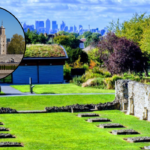
St Paulinus Church, constructed around 1100 on Crayford Hill, stands as a Norman landmark overlooking the town, with its origins tied to pre-Conquest worship. Hall Place, built circa 1537 for Lord Mayor Sir John Champneis, features stunning gardens along the River Cray, a plant nursery, café, and silkworks shop—now a scheduled monument between Crayford and Bexley. The sawmill on the Cray, operational from 1765, even supplied timber for Buckingham Palace’s floor.
Prominent families like the Goldsmiths, Drapers, and Admiral Sir Cloudesley Shovell owned vast estates, including May Place and the Old Bell Public House, blending agriculture with emerging industry.
Industrial Rise and Legacy
The 19th century transformed Crayford through brick-making, silk printing at David Evans works (which closed in 2002), and carpet production. Flour mills replaced ironworks, while Augustus Applegath’s silk operations and the Maxim Nordenfeldt Gun Factory employed thousands. Vickers Armstrong dominated from 1897, manufacturing aeroplanes and armaments, building worker housing, a theatre, and the canteen-turned Crayford Town Hall—a locally listed gem.
Post-WWII, Dussek Brothers’ oils site (closed 2001) and Crayford Tubes sustained jobs until recent shifts. Today, Bexley’s plans eye up to 1,000 new homes and jobs in Crayford, bolstering its district centre status.
Vibrant Modern Attractions
Hall Place and Gardens draw families with its world gardens, riverside walks, and events, while the Geoffrey Whitworth Theatre hosts amateur drama in honour of its namesake. Crayford Stadium offered greyhound racing from 1986 until its 2025 closure, a staple for evening entertainment alongside pubs like The Crayford Arms. Shoppers flock to the eco-pioneering Sainsbury’s—once England’s largest, heated by ground boreholes—and Tower Retail Park.
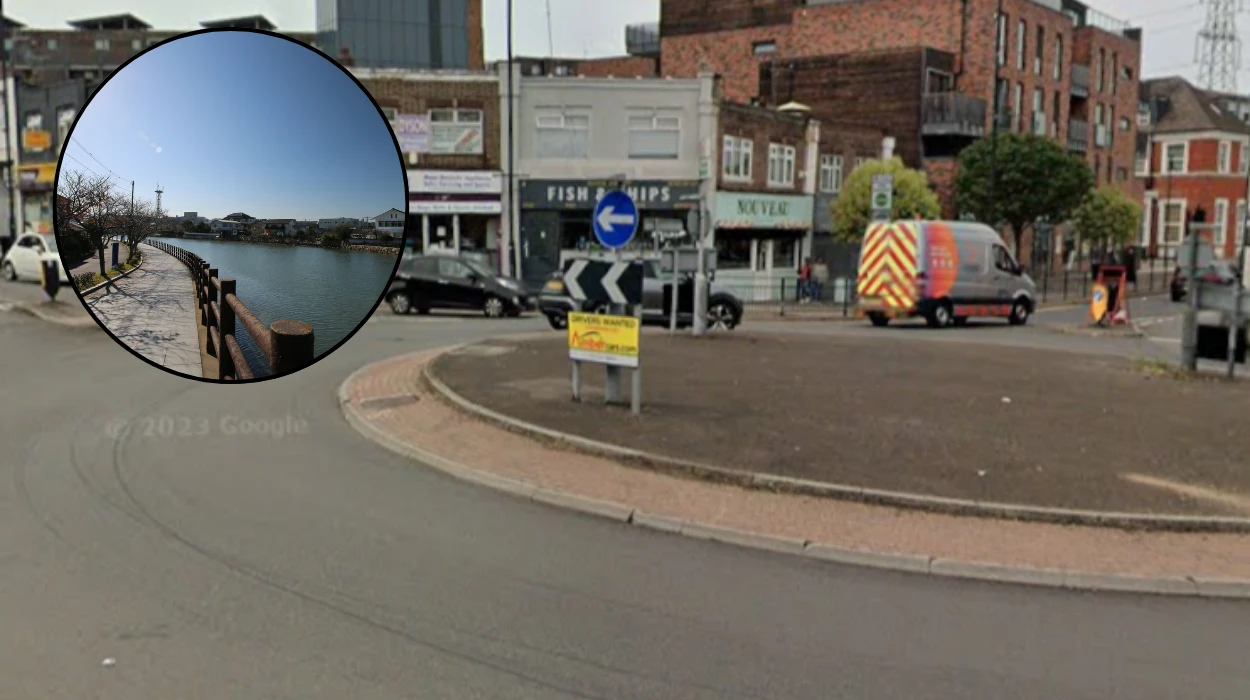
Sports thrive at Oakwood Lane, home to VCD Athletic (Isthmian League) and Crayford Arrows, with past speedway at the stadium. The High Street buzzes one-way traffic, markets, and eateries for everyday South London vibes.
Community and Daily Life
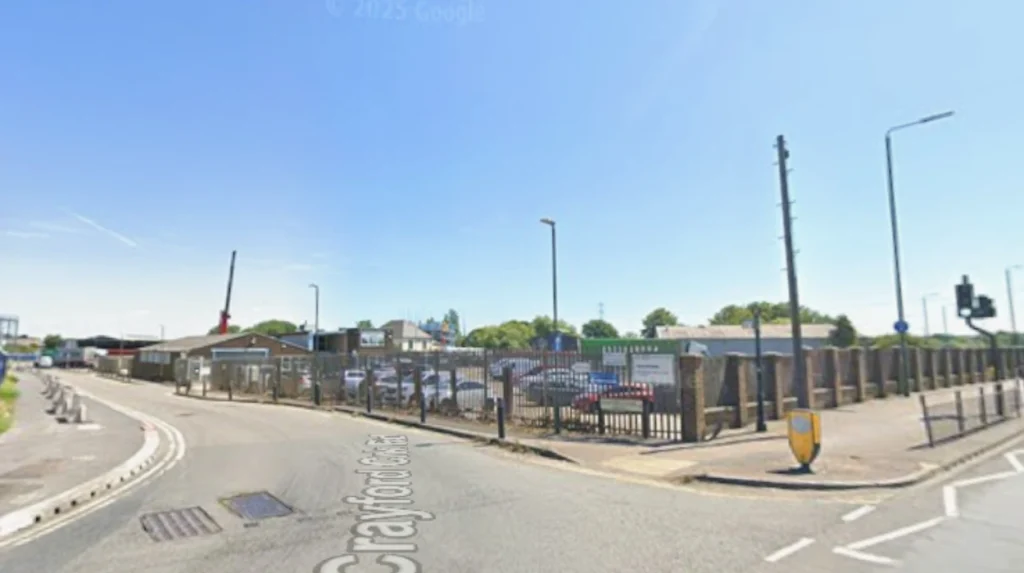
Crayford’s 2011 census showed 84% White British residents, fostering tight-knit vibes in wards like Barnes Cray and Slade Green. Education shines at Haberdashers’ Crayford Academy, with faith hubs including St Paulinus (Anglican), St Mary of the Crays (Catholic), Crayford Baptist, and Crayford Mosque. The Crayford Community Centre above the library hosts groups, while Shenstone Park offers green space from a demolished 1828 mansion.
Notable alumni include footballer Semi Ajayi, inventor Hiram Maxim, author Algernon Blackwood, and Admiral Shovell.
Getting Around Easily
Crayford railway station links Southeastern services to London Charing Cross, Cannon Street, and Dartford/Gravesend. TfL buses 96, 428, and 492 connect to Woolwich, Bluewater, Sidcup, and Bexleyheath—ideal for car-free days. Proximity to A206 eases drives to Dartford Crossing or Central London.
Why Crayford Endures
This riverside haven blends 1,500-year heritage with forward plans, from manor ruins to retail parks. Perfect for South Londoners seeking authentic, uncrowded charm—explore Hall Place trails or High Street haunts today.