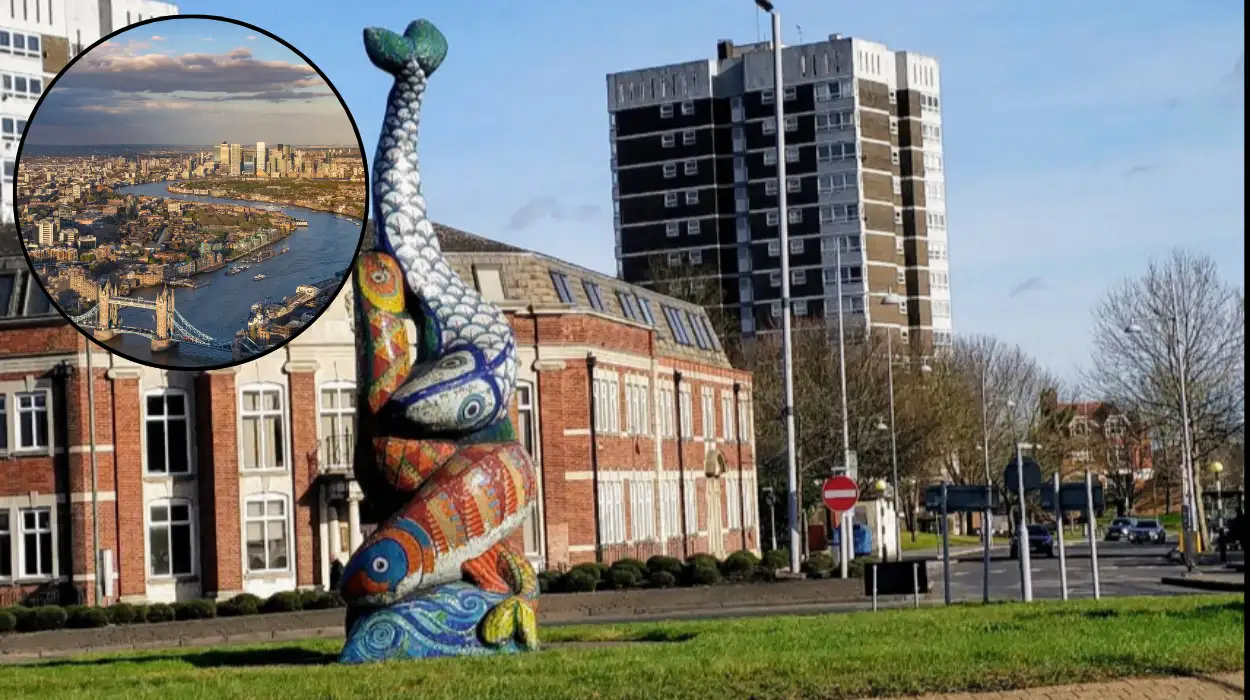
Erith, a riverside town in South London’s Bexley borough, blends ancient history with modern regeneration along the Thames. This evergreen guide explores its Saxon roots, industrial legacy, and vibrant community life for locals and visitors alike.
Rich Historical Roots
Erith’s name derives from the Saxon Ærre hyðe, meaning “old haven,” reflecting its early role as a Thames settlement. Neolithic forests of oak and yew transitioned to Bronze Age fens, with Roman farmsteads evident from archaeological digs at sites like the former Erith School. A 695 Latin charter marks the first written record, while the Domesday Book lists the area as Lesnes, later tied to Bishop Odo post-Norman Conquest.
Medieval Erith hosted Thursday markets under a 1315 royal charter and served as a key anchorage, where Henry VIII fitted out his warship Henri Grace à Dieu in 1515. By the 19th century, it evolved into a resort with piers and hotels for Thames day-trippers, until industry dominated. A dramatic 1864 gunpowder explosion breached the river wall, averted by local navvies just before high tide.
Industrial Powerhouse Era
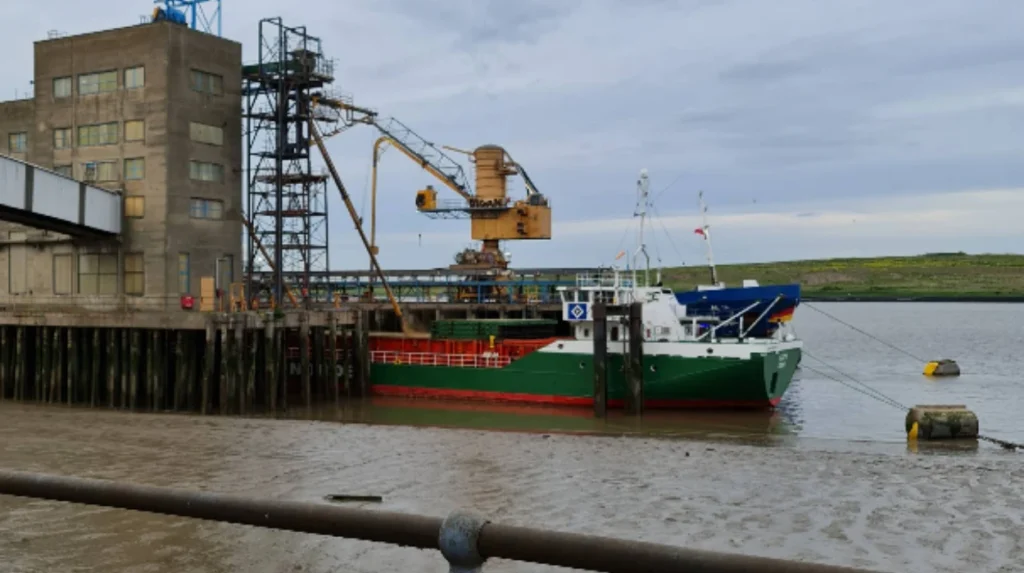
Victorian Erith boomed with Erith Iron Works in 1864 and cable manufacturing from 1881, evolving into BICC and later Prysmian. Vickers Armstrongs drove armament production, linking to Woolwich Arsenal and employing thousands during World Wars. World War II bombings targeted its strategic riverside position, devastating much of the town.
Post-war, Erith Urban District became a municipal borough in 1938 before merging into Bexley in 1965 under the London Government Act. Redevelopment from 1966 demolished Victorian structures, sparing gems like the White Hart pub and St John the Baptist Church.
Modern Regeneration Efforts
Since the 1990s, Erith’s Thames Gateway project has added riverside flats and commercial spaces, with over 500 new homes planned. The Erith Western Gateway targets 6,000 sq m of mixed-use development in the town centre. In 2020, National Lottery funding restored the Carnegie Library into community facilities.
Erith Quarry redevelopment since 2015 includes a primary school, supermarket, and 850 homes. Affordable housing persists, with 2014 median prices at £181,000, among London’s lowest.
Thriving Community Demographics
Erith’s 2011 census showed 62% White British population, down from 82% in 2001, with 14% Black African residents. It forms part of the Erith ward in Bexley, represented by Labour councillors Joe Ferreira and Nicola Taylor. Parliamentarily, most falls under Erith and Thamesmead (MP Abena Oppong-Asare, Labour), with edges in Bexleyheath and Crayford.
Diverse places of worship include St John the Baptist, Christ Church, and Our Lady of the Angels Catholic Church. The town fosters community through Erith Playhouse, the borough’s largest theatre.
Top Attractions and Landmarks
Erith boasts London’s longest pier, ideal for Thames views and coastal vibes amid salt marshes. Riverside Gardens host the annual Erith Riverside Festival, starting points for the LOOP and Green Chain Walk. Erith Leisure Centre offers swimming, while David Ives Stadium serves Bexley AC athletics.
St John the Baptist Church anchors historic West Street, and the curved High Street features listed buildings like the Carnegie-funded library. Rowing and yacht clubs thrive on the waterfront, with Erith Town FC playing locally. Nearby Crossness Nature Reserve provides green escapes.
Local Economy and Employment
Construction giant Erith Group, founded 1967, specializes in demolition and infrastructure from its Erith base. Legacy industries like cables and engineering persist alongside regeneration-driven retail and housing. Affordable living attracts commuters via Southeastern rail to London Charing Cross or Cannon Street.
Bexley Council’s focus positions Erith as a Thames hub, balancing industry with residential growth.
Getting Around Easily

Bus routes like 99, 180, 229, 428, 469, B12, and night N89 connect to Bexleyheath, Woolwich, Sidcup, and central London. Erith and Slade Green stations link to Dartford, Gravesend, and London terminals. The A2016 dual carriageway spans Erith Marshes to Thamesmead.
Notable Locals’ Legacy
Erith birthed talents like poet Wendy Cope, comedian Linda Smith, and footballer Sam Saunders. Engineer William Anderson resided here, funding community works, while Denis Thatcher ran Atlas Preservatives pre-1965. Artists Philip Absolon and Stuckists hail from the area.
Culture, Events, and Lifestyle
Erith’s culture nods to its barge-hauling past in William Cosmo Monkhouse’s rhyme about unseen men and unsteered barges. Festivals draw crowds to Riverside Gardens, with family spots like Kassiopi Cove soft play and Energie Fitness. Churches host carols, and markets showcase local artisans.
Parks like Birchwood and the pier offer evergreen leisure, blending urban access with Thames tranquility. Erith suits South Londoners seeking history, affordability, and riverside charm without central hustle.