Nestled on the south bank of the River Thames, Mortlake offers South London residents a blend of historic charm, riverside serenity, and modern conveniences. This evergreen guide explores why Mortlake remains a timeless treasure in the London Borough of Richmond upon Thames.
Rich Historical Roots
Mortlake appears in the Domesday Book of 1086 as Mortelage, likely meaning “salmon stream” from Old English terms for young salmon and a stream, or possibly “Morta’s marshy meadow.” The manor belonged to the Archbishops of Canterbury until Henry VIII exchanged it for Crown lands in 1536. From the 17th century, it gained fame through the Mortlake Tapestry Works (1617–1704), Britain’s premier producer, established under James I.
Notable residents shaped its legacy. John Dee, Queen Elizabeth I’s astrologer and mathematician, lived here from 1565 to 1595, hosting alchemical pursuits in his now-lost home, later the tapestry site. Edward Colston resided at Cromwell House until 1721, while explorer Sir Richard Burton is buried in St Mary Magdalen Roman Catholic Church cemetery. Charles I enclosed 732 acres for Richmond Park in 1637, shrinking the parish.
The first church dates to around 1348 near the Manor House, replaced over time; St Mary the Virgin Mortlake served villagers for centuries.
Iconic Landmarks and Attractions
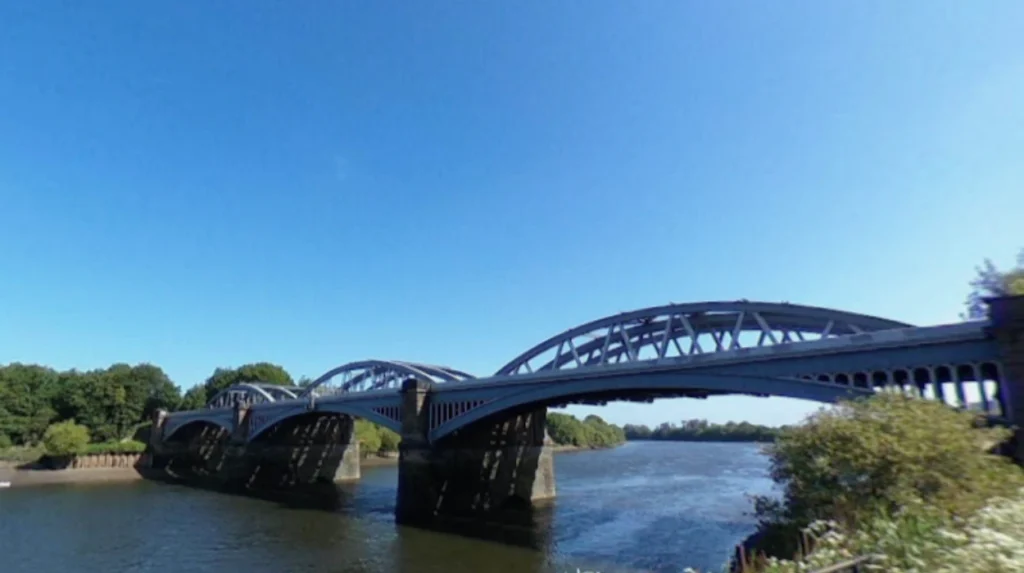
Mortlake’s riverside shines with a pedestrianized promenade offering Thames views, flanked by The White Hart and The Ship pubs—ideal for relaxed drinks. St Mary the Virgin Mortlake and St Mary Magdalen Roman Catholic Church anchor spiritual heritage, with the latter holding Burton’s tomb.
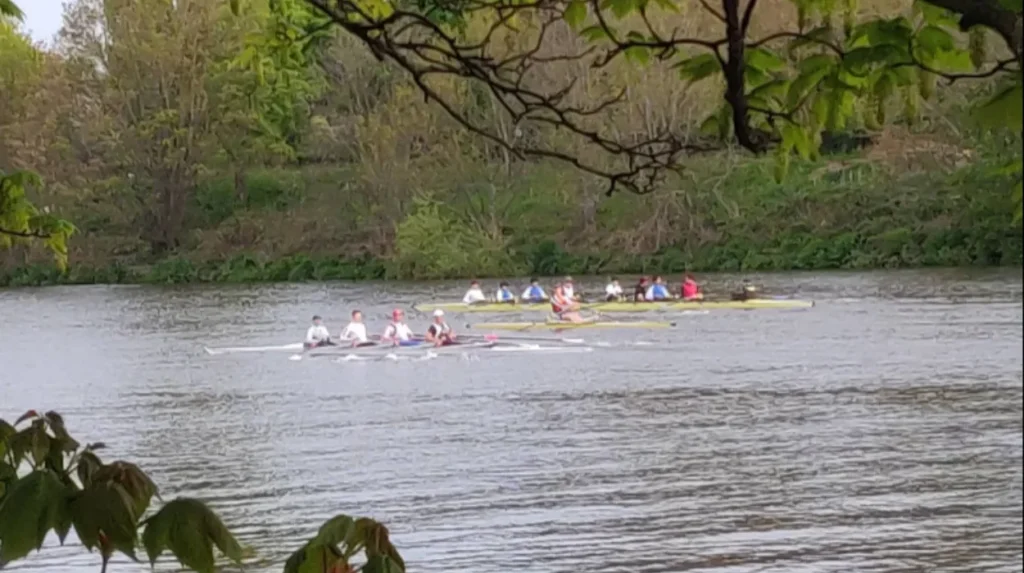
The University Boat Race finishes annually at Mortlake’s championship course stone near Chiswick Bridge since 1845, drawing crowds each March or April. The former Stag Brewery (Mortlake Brewery), operational since the 15th century and closing in 2015, stands as a landmark; its 22-acre site now plans 850 apartments. Queen Victoria’s Waiting Room by Mortlake station, now a car showroom, recalls royal visits to nearby White Lodge.
A village green adds quaint appeal, perfect for community events.
Vibrant Local Economy and Amenities
Historically tied to malting, brewing, farming, watermen, and tapestries, Mortlake evolved into a residential commuter haven with self-employed trades along Upper Richmond Road. East Sheen, once part of the parish, now serves as a dining hub with shops and eateries.
Today, amenities cater to everyday needs: Mortlake station on the Waterloo-Reading line connects efficiently, with Barnes Bridge and North Sheen nearby. Schools trace to 1869’s National School, advancing local education; James Chuter Ede taught here before becoming Home Secretary. Riverside paths suit walks, while pubs and the green foster community spirit.
Everyday Life in Mortlake
Primarily residential, Mortlake blends Victorian terraces, semis, and flats in the Mortlake and Barnes Common ward (10,919 residents, 4,771 households in 2011). Ownership splits: 27% outright, 32% with loans, across 185 hectares. Its flat layout features streets perpendicular to the bisecting railway on Worple Way.
Proximity to Barnes, Kew, East Sheen, and Chiswick enhances appeal for South Londoners seeking green spaces like Richmond Park and Thames activities. Families enjoy schools, parks, and the Boat Race vibe; commuters praise rail links minus Windsor/Reading express disruptions. Celebrities like Katherine Jenkins and Tom Hardy (who grew up here) add modern allure.
Why Mortlake Endures
Mortlake captivates with Thames tranquility, storied past from Dee to breweries, and Boat Race excitement. Its pedestrian riverside, historic churches, and village feel offer an escape within South London, blending heritage and convenience for generations. Explore Mortlake for timeless riverside living—perfect for walks, pubs, or history hunts.