Penge, a vibrant suburb in South East London within the London Borough of Bromley, blends rich history with modern community spirit. Nestled 7.1 miles southeast of Charing Cross, it offers excellent transport links and a unique character that appeals to locals and visitors alike.
- Penge’s Ancient Roots and Etymology
- Victorian Boom and Key Historical Events
- Governance and Modern Administration
- Iconic Landmarks and Green Spaces
- Demographics and Community Life
- Transport and Connectivity
- Top Attractions and Things to Do
- Notable Residents and Cultural Impact
- Property Market and Living in Penge
- Why Penge Endures as South London’s Secret
Penge’s Ancient Roots and Etymology
Penge’s name traces back to 1067 in a charter as “Penceat,” derived from Brittonic words meaning “head of the wood,” akin to Welsh “pen coed.” A 12th-century document from 957 refers to “se wudu þe hatte Pænge,” highlighting its wooded origins on what was once Penge Common.
Initially a detached hamlet of Battersea parish in Surrey’s Brixton hundred, Penge featured landmarks like Penge Green and the Crooked Billet inn by 1607. The Penge Inclosure Act 1827 enclosed the common, spurring development and relocating the historic pub.
Victorian Boom and Key Historical Events
Railways transformed Penge in the 19th century. The London and Croydon Canal, followed by the 1839 London and Croydon Railway through Penge West, boosted growth. Proximity to the relocated Crystal Palace in 1854 made it a fashionable suburb with grand homes along Penge High Street (formerly Penge New Road).
The area gained notoriety from the 1875 and 1877 Penge murders, including Frederick Hunt’s family killings and the starvation of heiress Harriet Staunton, leading to Mosslea Road’s renaming from Forbes Road. Victorian Penge boasted “25 pubs to the square mile” and music halls like King’s Hall.
Penge became an independent civil parish in 1866, formed Penge Urban District in Kent in 1900 after leaving the County of London, and joined Bromley in Greater London in 1965.
Governance and Modern Administration
Today, Penge falls under Bromley Council in the Penge and Cator ward, population around 18,907 in 2011 with a median age of 35. The 2021 census shows 8,943 males and 9,964 females, with 71.8% UK-born and diverse origins including Nigeria and Jamaica.
A Business Improvement District (BID) since 2018 manages the town center via Penge SE20, funding enhancements through levies. Excellent links reach London Bridge in 20 minutes and Bromley in 10.
Iconic Landmarks and Green Spaces
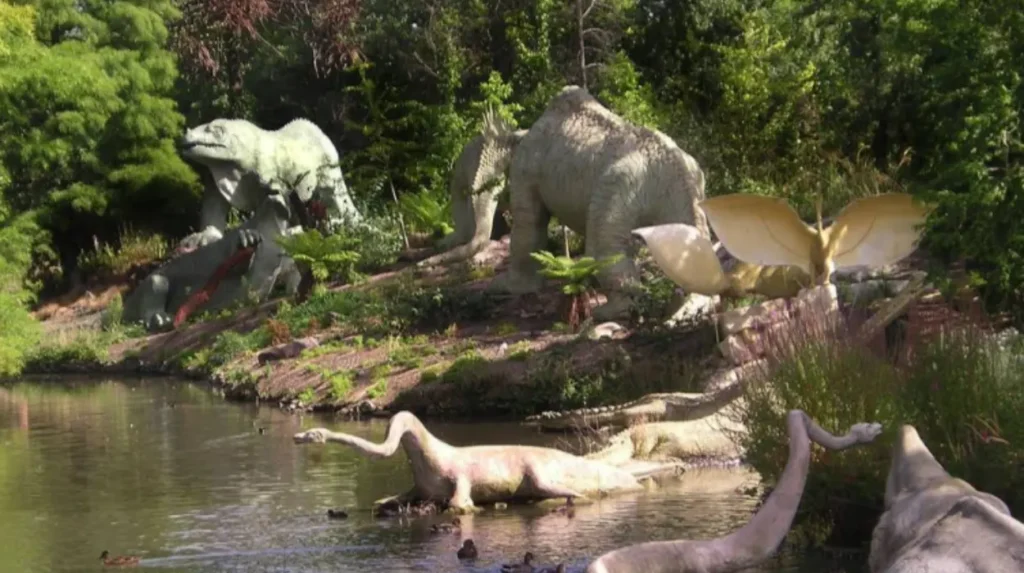
Crystal Palace Park, the largest of Penge’s parks on former Penge Place grounds, hosts Grade II* listed features like dinosaur sculptures and the Paxton Centre. Once home to the Crystal Palace (1854-1936) and FA Cup finals, it now offers sports facilities.
Victorian almshouses dot the area: Free Watermen and Lightermen’s (1840-1841), Queen Adelaide (1848), and St. John’s Cottages (1863). The Crooked Billet pub endures as Penge’s oldest, while the former police station was London’s oldest operational until 2010.
Parks like Betts Park (remnant of Penge Common) and Winsford Gardens provide serene escapes.
Demographics and Community Life
Penge’s 2021 population breakdown: 4,086 under 18, 12,706 aged 18-64, 2,115 over 65. Average age is 36, with strong community ties via the Penge History Group preserving Anglo-Saxon to modern heritage.
Diverse culture thrives with pubs like Pawleyne Arms (bus terminus), art gallery Tension, and Southey Brewing Co. The annual Penge Festival, started in 1972, celebrates art, music, and fetes over three weeks in June.
Transport and Connectivity
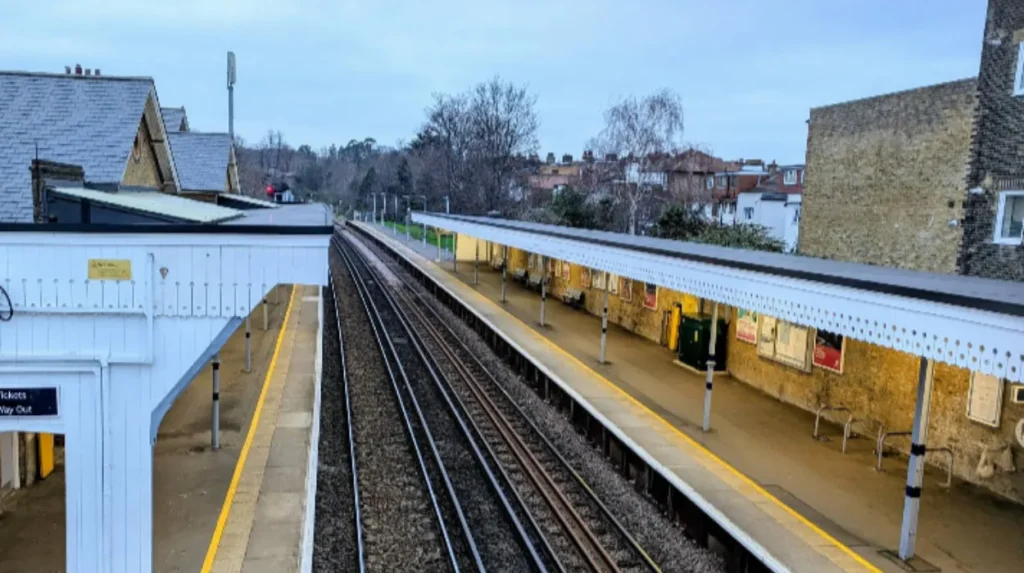
Rail options abound: Penge West (London Overground to West Croydon/Dalston), Penge East, and Kent House (to Victoria/Orpington). Buses 75, 176, 194, 197, 227, 354, 356, 358, N3 link to Croydon, Catford, and central London. A213, A214, A234 roads and nearby Croydon Tramlink enhance access.
Top Attractions and Things to Do
Explore Crystal Palace Park for sports, dinosaurs, and events. Stroll Penge High Street for shops, restaurants, and Penge General Store’s deli delights. Bus terminus at Crooked Billet or Pawleyne Arms offers pub vibes.
Annual Penge Festival features fetes, music, quizzes, and dances at Royston Field and Melvin Hall. Art trails and heritage walks highlight Victorian architecture.
Notable Residents and Cultural Impact
Penge birthed talents like Rolling Stones bassist Bill Wyman, Sex Pistols’ Sid Vicious (childhood), plumber Thomas Crapper (U-bend innovator), and impressionist Camille Pissarro. Others include PM Andrew Bonar Law, poet Walter de la Mare, watchmaker George Daniels, and ZX Spectrum creator Matthew Smith.
Cultural nods appear in Rumpole novels (Penge Bungalow Murders), sitcom Pulling, and songs by Public Image Ltd and David Bowie.
Property Market and Living in Penge
Average property prices hit £452,859 last year, up 6%, with flats at £359,999, terraces £605,691, semis £739,881. It’s affordable for South London, attracting families with green spaces and schools like St Johns C.E. Primary.
Why Penge Endures as South London’s Secret
Penge charms with history from wooded hamlets to Victorian heights, community events, and connectivity. Ideal for South Londoners seeking authentic suburbia without the hype.