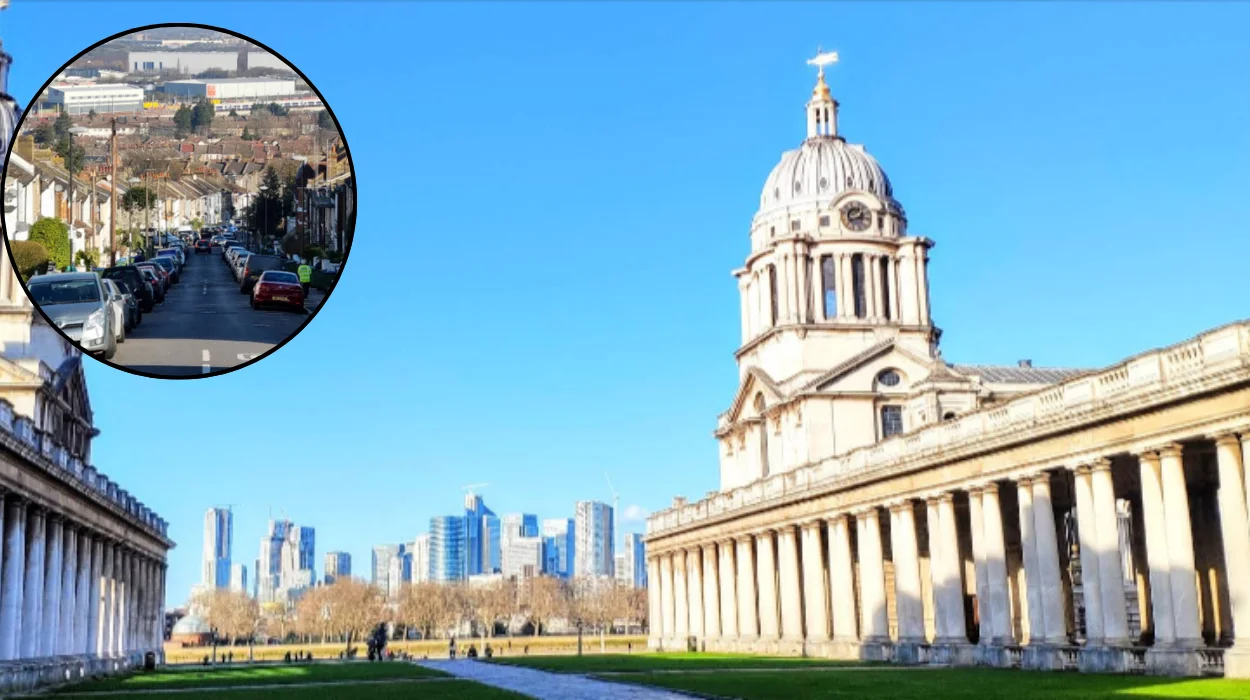
Plumstead, a vibrant district in South London’s Royal Borough of Greenwich, blends rich history with modern multicultural charm. This evergreen guide explores why Plumstead captivates locals and visitors alike, from ancient trackways to bustling markets.
Ancient Origins and Medieval Roots
Plumstead’s story begins millennia ago with London’s earliest timber structure, a 6,000-year-old trackway unearthed near Belmarsh Prison in 2009. In 960 AD, King Edgar granted four plough lands called Plumstead to St Augustine’s Abbey in Canterbury, later contested by nobles like Earl Godwin’s son Tostig.
Post-1066 Norman Conquest, William the Conqueror gifted the area to his half-brother Odo, Bishop of Bayeux, though the abbey reclaimed much via intercession. The Domesday Book of 1086 lists Plumstead as two manors under the abbey’s and bishop’s holdings, valued at around 10-12 pounds annually with arable lands, villeins, and woods for pannage.
By the medieval period, abbots like Nicholas de Spina collected rents, and liberties including markets were confirmed under kings like Edward II and III. These foundations shaped Plumstead as a fertile manor until the 1539 Dissolution of the Monasteries under Henry VIII.
Industrial Boom and Victorian Growth
The 19th century transformed Plumstead through the Royal Arsenal in nearby Woolwich, sparking rapid housing expansion in the 1880s. Terraced two-up two-down homes sprouted near the Thames for arsenal workers, while grander properties rose uphill around Plumstead Common.
The Plumstead Common Act 1878 preserved 100 acres as public space amid protests against enclosure, averting development and riots. Woolwich Cemetery opened in phases from 1856 on former common edges, serving the growing population.
Football history bloomed here: Arsenal F.C., originally Royal Arsenal, played at Manor Ground (Plumstead Common Road) from 1886-1913, drawing crowds over 6,000 by the 1890s after adding stands. Sects like the Peculiar People and Plymouth Brethren also thrived, adding spiritual diversity.
Diverse Community Today
Plumstead boasts a multicultural fabric, exemplified by Plumstead High Street ward’s 2021 census data: 11,064 residents (5,443 male, 5,618 female) in 3,581 households, density 10,014/km². Asians form the largest group at 3,765, including Indian (706), Bangladeshi (215), and Chinese (107), reflecting South Asian influences.
Regeneration efforts by Royal Greenwich Council prioritize Plumstead, with the 2015 Urban Framework boosting living, working, and business via public-private investments. Areas like Winns Common, Shrewsbury Park, and Rockcliffe Gardens maintain green lungs amid urban sprawl.
Notable locals include rapper Tinie Tempah, snooker star Steve Davis, JLS’s Marvin Humes, actor Scott Maslen, and tragic figure Stephen Lawrence. MPs like Taiwo Owatemi (Coventry North West) hail from here, underscoring community impact.
Iconic Green Spaces
Plumstead Common stands as a 100-acre haven, protected forever by 1878 legislation after local battles against privatization. Ideal for picnics, kite-flying, or dog walks, it offers panoramic Thames views and hosts events like summer fairs.
Adjacent Shrewsbury Park and Winns Common provide trails and wildlife spotting, preserving Victorian-era openness. These spaces counterbalance density, promoting mental health in South London’s bustle.
Top Attractions and Landmarks
St Nicholas Church, dating to medieval times, anchors historic Plumstead with its tower overlooking the common. Plumstead Cemetery holds notables like VC recipients Thomas Flawn and Alfred Smith, plus Bishop William Bennet.
Plumstead High Street buzzes as a district center with independent shops and markets, perfect for authentic South London vibes. The Ridgeway path links to transport hubs, ideal for cyclists exploring Greenwich Peninsula.
Sports fans visit Manor Ground’s site, Arsenal’s cradle before Highbury. Traditional pubs evoke Victorian alehouse charm.
Culinary Delights on Offer
Plumstead’s food scene shines with multicultural eats, from Uber Eats spots like Sam’s Chicken (halal burgers, wings) to Top Hut Pizza. Plumstead Pantry on Warwick Terrace excels in brunch, espresso martinis, and global fusion post-refurb.
High Street markets offer Indian curries, Nepalese momos at Rewa Sushi, and peri-peri from Grillo’s. Fish & chips at Top Frys and tacos at Taco Bell (Woolwich) cater to varied palates. Brunch spots emphasize fresh, licensed vibes for South London foodies.
Getting Around Easily
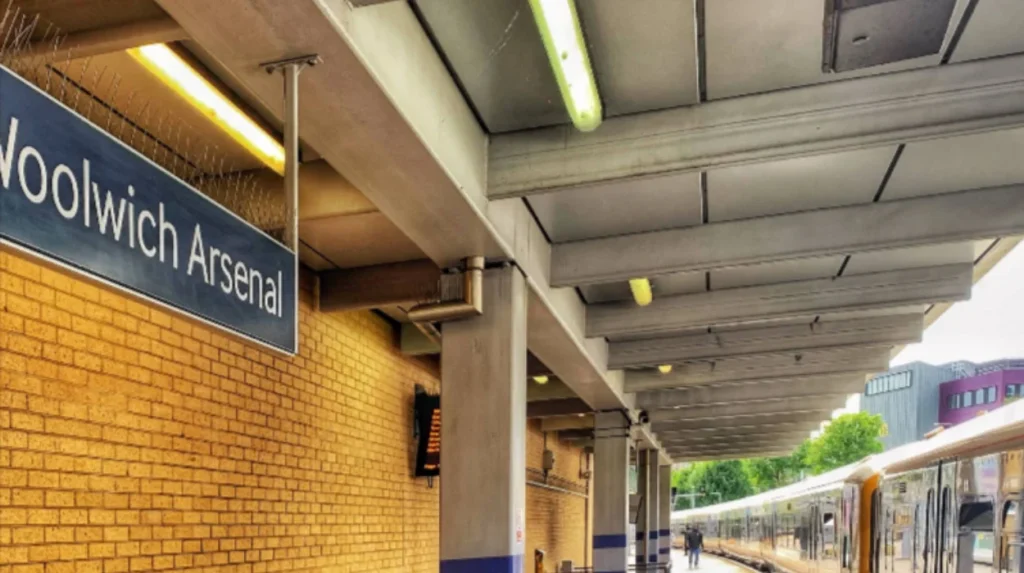
Plumstead Railway Station, opened 1869 on the North Kent Line, connects to London Cannon Street (4 tph off-peak), Luton, Dartford, and Rainham via Southeastern and Thameslink. Zone 4 fares apply; £4.6M upgrades in 2024 added lifts.
Buses from Transport for London link Bexleyheath, Central London, Crystal Palace, and Thamesmead. Recent TfL proposals enhance roads for Superloop SL11 bus rapid transit by 2029. Cycle paths like Ridgeway make it bike-friendly.
Education Excellence
Plumstead Manor School, near the common, started as a 1913 girls’ grammar, now co-ed comprehensive with GCSEs, BTECs, and A-levels. Primaries include St Patrick’s RC, St Margaret’s CofE, Plumcroft, and Bannockburn, serving diverse needs.
Royal Greenwich Council supports strong local education, fostering community ties.
Living in Plumstead: Why Stay?
Affordable terraced homes mix with modern builds, appealing to families near greens and transport. Regeneration promises growth, with markets and eateries enhancing daily life.
Challenges like traffic yield to improvements, balancing urban energy with nature. For South Londoners, Plumstead offers authentic, evolving charm—history without stagnation.