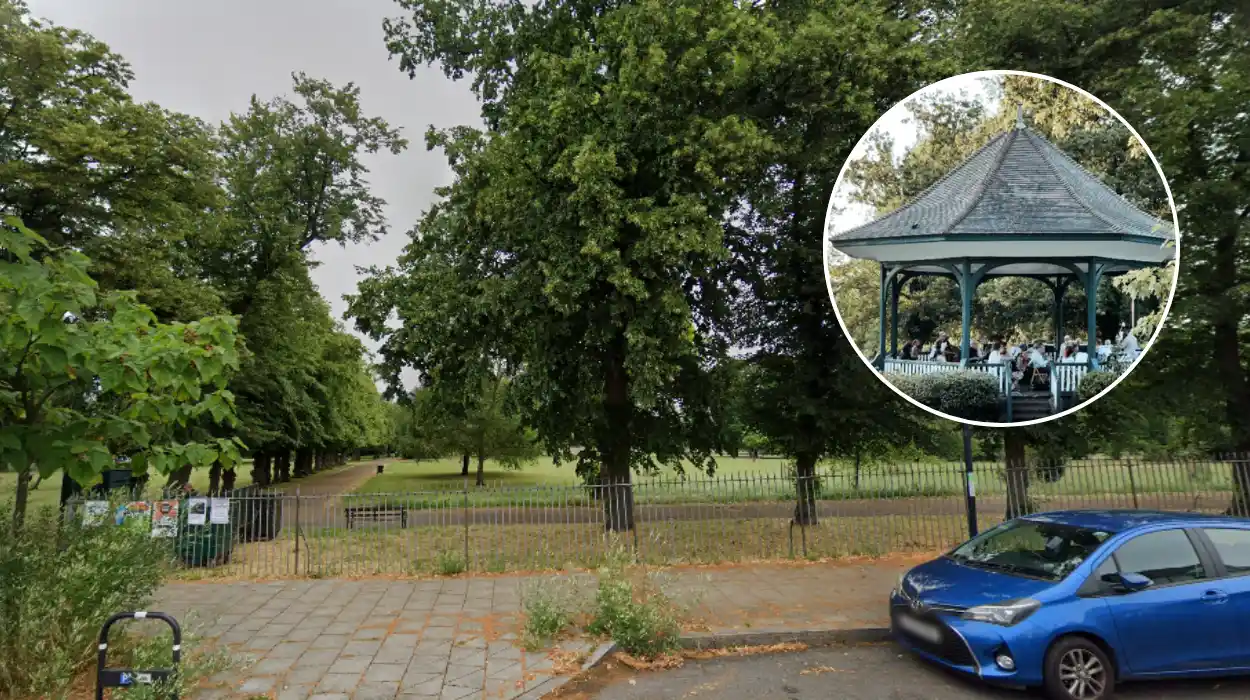
Nestled in the heart of South London, Ruskin Park stands as a cherished green space blending Victorian elegance with natural beauty. This 19-acre haven in Denmark Hill offers locals a serene escape from urban hustle, perfect for picnics, strolls, and reflection.
A Storied Past Rooted in Philanthropy
Ruskin Park traces its origins to the late 19th century when it was established through the generosity of wealthy benefactors. In 1898, Charles Park, a local merchant, gifted the land to the public after his death, honoring his family’s vision for communal recreation. The London County Council transformed the area into a formal park by 1902, naming it after John Ruskin, the influential Victorian critic and artist who lived nearby and championed social reform.
John Ruskin resided at Denmark Hill from 1825 until his death in 1900, drawing inspiration from the landscape for works like Modern Painters. His emphasis on beauty in everyday life mirrored the park’s creation as an accessible retreat for working-class families. Historical records note early features like rustic shelters and aviaries, reflecting Edwardian tastes for ornamental gardens.
The park’s layout evolved with community input, incorporating tennis courts and a bowling green by 1910. During World War I, it served as allotments for food production, showcasing South London’s resilience.
Architectural Gems and Lush Landscapes
Today, Ruskin Park captivates with its manicured lawns, vibrant flowerbeds, and mature trees, including London planes and oaks over 150 years old. The centerpiece is the Grade II-listed Ruskin Lido, an open-air swimming pool opened in 1905 with Art Nouveau changing rooms. Renovated in 2006, the lido features a 60-meter pool heated to 28°C in summer, drawing swimmers year-round.
Winding paths lead to the Japanese Garden, planted in 2008 with cherry blossoms and a pagoda-style shelter, evoking tranquility. The Rockery Garden, built in the 1930s, boasts alpine plants cascading over stone features sourced from local quarries. Biodiversity thrives here, with over 50 bird species spotted annually, from woodpeckers to kingfishers along the ponds.
Seasonal highlights include spring daffodils and autumn foliage, making it a photographer’s paradise. The park’s southern boundary overlooks the historic Horniman Museum, linking it to Camberwell’s cultural corridor.
Community Hub for All Ages
Ruskin Park pulses with local life, hosting weekly parkrun events every Saturday at 9am, attracting over 200 runners on average. Families flock to the playground with swings, slides, and sensory panels designed for toddlers and older kids. Pet owners appreciate the open spaces for off-leash play, while yoga and tai chi classes gather under shady oaks.
Café Ruskin, a community-run spot, serves fair-trade coffee, homemade cakes, and light lunches using seasonal ingredients. It operates daily, supporting local charities through profits. Events like outdoor theater in summer and Christmas markets foster neighborly bonds, embodying South London’s community spirit.
Accessibility shines with smooth paths, adapted toilets, and free entry, aligning with the Equality Act 2010 standards. Electric wheelchair users navigate easily, and audio guides are available via the Parks app.
Flora, Fauna, and Eco-Initiatives
Ruskin Park excels in urban ecology, designated a Site of Local Importance for Nature Conservation. Native wildflowers like cow parsley and oxeye daisies border meadows, supporting pollinators amid London’s concrete jungle. Two ornamental ponds host frogs, newts, and dragonflies, with reed beds filtering rainwater naturally.
Recent projects include a 2023 rewilding scheme planting 500 hedgerow trees to boost carbon sequestration. Volunteer groups like Friends of Ruskin Park monitor bat boxes and conduct monthly litter picks, reducing plastic waste by 40% since 2020. These efforts align with Lambeth Council’s Climate Action Plan, promoting biodiversity net gain.
Birdwatchers note rare sightings like little egrets, drawn by the park’s proximity to the River Effra’s culverted path. Educational signs detail species, encouraging citizen science via iNaturalist apps.
Health and Wellness Retreat
In an era prioritizing wellbeing, Ruskin Park serves as South London’s fitness haven. The perimeter path spans 1.2km, ideal for joggers targeting 10,000 steps. Nordic walking groups meet Tuesdays, using poles to engage 90% of muscles.
The lido’s hydrotherapy sessions aid arthritis sufferers, with water buoyancy easing joint strain. Studies from the University of Greenwich highlight parks like Ruskin reducing stress hormones by 20% after 20-minute visits. Mental health benefits are evident in the Mind in Camden charity’s forest bathing programs here.
Post-pandemic, outdoor gym equipment was added, offering free resistance training overlooking the skyline.
Cultural Ties and Nearby Attractions
Ruskin Park anchors Denmark Hill’s artistic legacy. John Ruskin’s home, now a museum, lies adjacent, housing 350,000 books and drawings. The park inspired his essays on nature’s moral influence.
Link it to King’s College Hospital for post-visit recovery strolls, or the Horniman Museum’s aquarium 10 minutes away. Cycle routes via Quietway 7 connect to Brockwell Park, forming a 5km green corridor.
Literary fans recall Enid Blyton’s Five Go Adventuring Again referencing similar South London greens. Modern artists exhibit at the café, blending heritage with contemporary vibes.
Practical Visitor Guide
Reaching Ruskin Park is seamless. Denmark Hill station (Thameslink/Overground) is a 5-minute walk; buses 185, 40, and 468 stop at the gates. Ample free parking exists on St Gabriel’s Road, with blue badge spots.
Open dawn to dusk, peak times are weekends. Dogs welcome on leads near playgrounds; BBQs prohibited to preserve grass. Download the Ruskin Park map from lambeth.gov.uk for hidden gems like the sensory garden.
Costs are nil except lido entry (£6 adults, £4 concessions summer 2026 rates). Group bookings for parties available via email.
Events and Seasonal Calendar
Ruskin Park buzzes yearly. Spring sees the Blossom Festival with live jazz; summer hosts Shakespeare plays by Ruskin House Players. Autumn’s Harvest Fair features apple pressing and craft stalls.
Winter brings carol concerts and illuminated trails. Check lambeth.gov.uk/events for 2026 dates, typically aligning with equinoxes.
Friends of Ruskin Park newsletters offer volunteer perks like early event access.

Why Ruskin Park Endures for South Londoners
This gem encapsulates South London’s blend of history, nature, and community. From Ruskin’s philosophical gaze to modern eco-efforts, it evolves while staying timeless.
Whether unwinding post-commute or hosting family gatherings, Ruskin Park delivers enduring joy. Visit soon—your perfect South London memory awaits.