Waterloo stands as one of South London’s most iconic districts, blending rich history, modern vibrancy, and cultural depth that appeals to locals and visitors alike. This evergreen guide explores its enduring legacy for South Londoners seeking to connect with their neighborhood’s soul.
- Waterloo’s Ancient Roots
- The Battle That Named It
- Rise of the Railways
- Industrial Heyday and Social Change
- Waterloo Station: Modern Marvel
- Cultural Landmarks
- Iconic Bridges and Thames Views
- Neighborhood Eats and Markets
- Green Spaces Amid Urban Buzz
- Modern Developments and Living
- Getting Around Waterloo
- Famous Faces from Waterloo
- Events and Festivals
- Why Waterloo Endures
Waterloo’s Ancient Roots
Waterloo’s story begins centuries before its modern fame, tied to the River Thames’ south bank. Originally part of Lambeth and Southwark, the area was rural marshland used for fishing and farming during Roman times, supporting Londinium across the water.
By the medieval era, it evolved into vital farmland for the Archbishop of Canterbury, with Lambeth Palace nearby serving as a religious powerhouse. These foundations shaped Waterloo into a gateway district, enduring through Saxon settlements and Norman expansions.
The Battle That Named It
The name “Waterloo” emerged in the 19th century, honoring the 1815 Battle of Waterloo where British forces triumphed over Napoleon. Local developers, inspired by national pride, rebranded Lambeth’s western edge around 1816 to attract affluent residents with villas overlooking the Thames.
This marketing ploy succeeded briefly, drawing Regency-era gentry before industrialization shifted demographics. The name stuck, symbolizing resilience—a theme echoing in South London’s spirit today.
Rise of the Railways
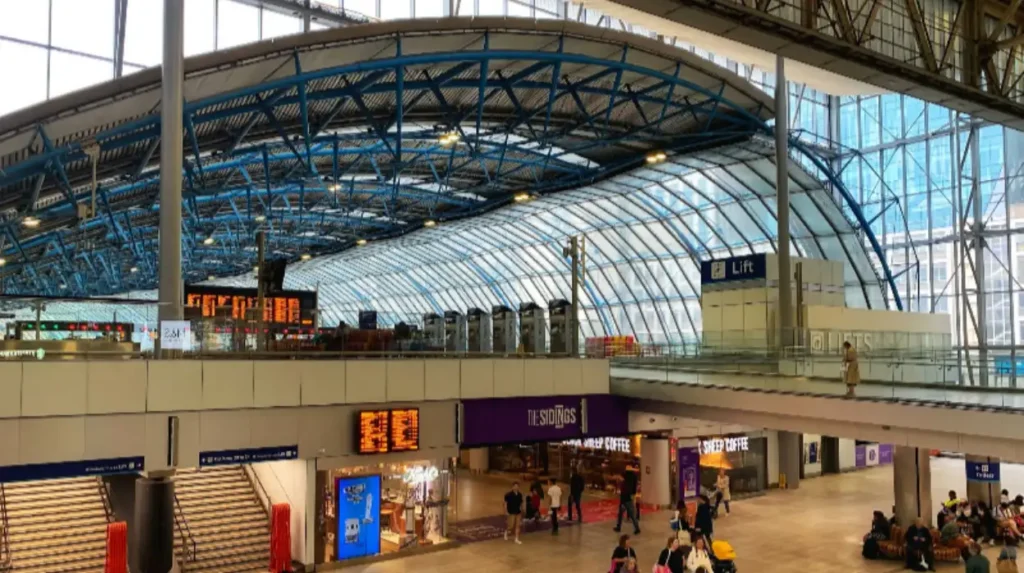
Waterloo’s transformation accelerated with the London & South Western Railway’s arrival in 1848, making it London’s largest station. Polymath Isambard Kingdom Brunel influenced early designs, though the station’s vast 1922 rebuild created the iconic concourse still in use.
It became a hub for commuters from Surrey, Hampshire, and beyond, handling over 90 million passengers yearly. This rail legacy cements Waterloo as South London’s transport lifeline, connecting boroughs like Lambeth and Southwark seamlessly.
Industrial Heyday and Social Change
Victorian Waterloo buzzed with industry: wharves along the Thames loaded goods, while factories produced everything from biscuits to beer. The Shell Mex House (now demolished) towered as an Art Deco landmark, reflecting 1930s prosperity.
Post-war, the area faced decline with slum clearances, yet community resilience shone through markets like Lower Marsh. Today, this grit informs Waterloo’s creative revival, blending old warehouses with street art.
Waterloo Station: Modern Marvel
Waterloo Station remains Europe’s busiest, featuring 19 platforms and the Eurostar’s former berth before St Pancras took over. Its clock tower and Victorian arches offer photo ops, while the Waterloo & City Line—London’s shortest Tube—links directly to the City.
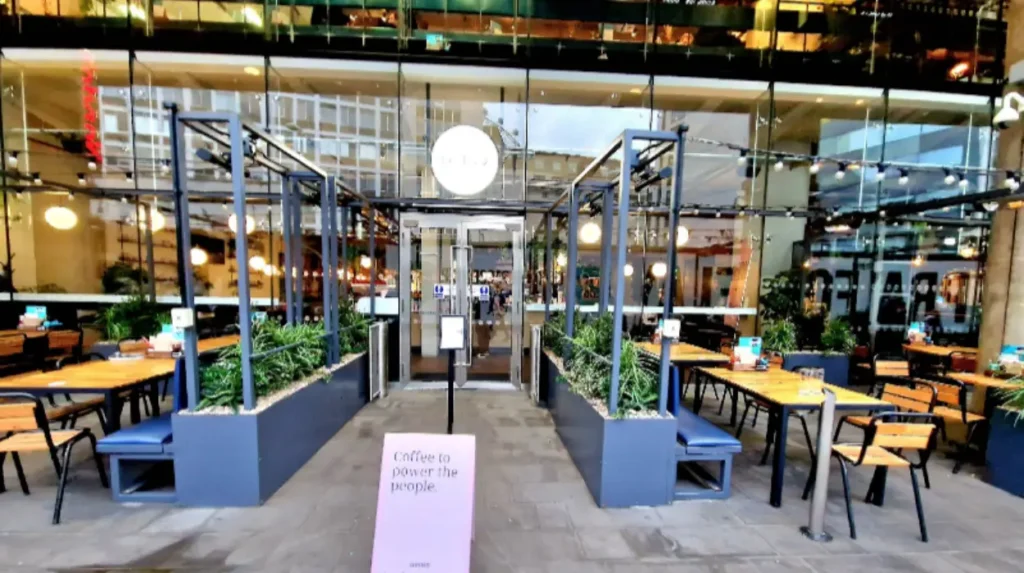
Recent upgrades include step-free access and the Elizabeth Line’s impact nearby, easing South London travel. For locals, it’s more than transit: it’s a social spot with buskers and coffee kiosks.
Cultural Landmarks
The Southbank Centre anchors Waterloo’s arts scene, hosting the Royal Festival Hall since 1951’s Festival of Britain. This brutalist icon stages world-class concerts, from classical to pop, drawing South London crowds.
Nearby, the National Theatre—opened 1976—champions British drama with plays by Shakespeare to modern voices. BFI Southbank screens indie films, preserving cinematic heritage. These venues make Waterloo a cultural powerhouse rivaling the West End.
Iconic Bridges and Thames Views
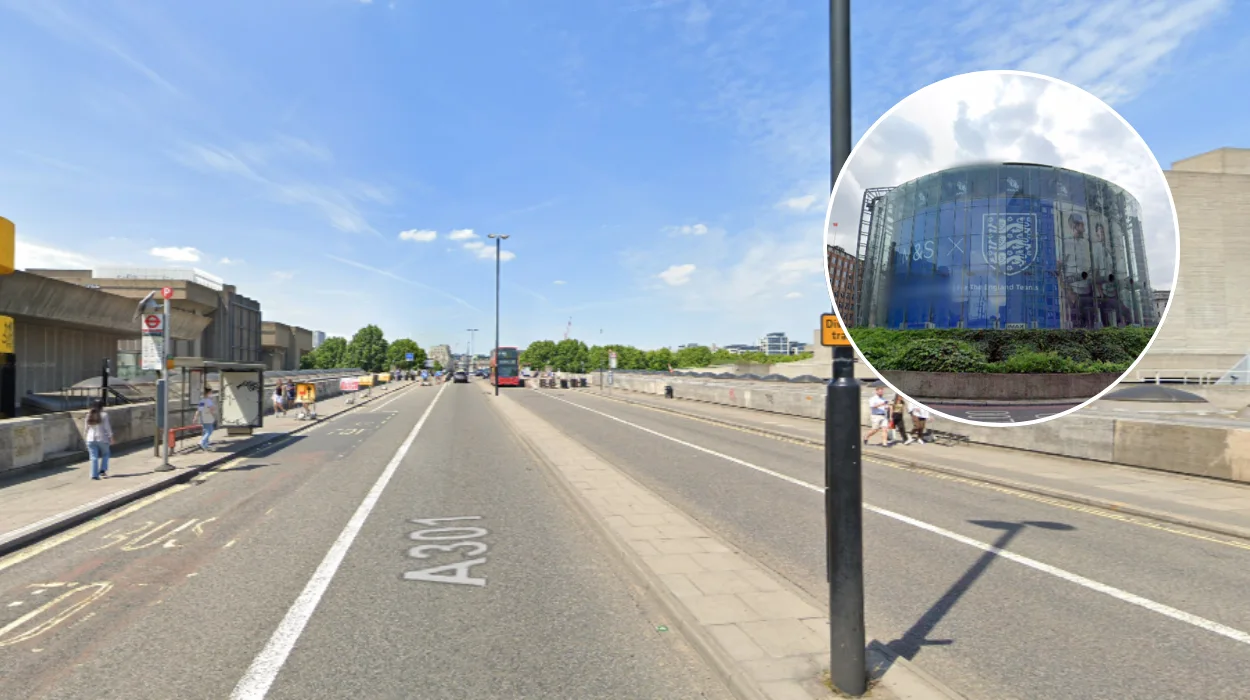
Waterloo Bridge, nicknamed “The Ladies’ Bridge” for its WWII female builders, spans the Thames with panoramic views. Golden Jubilee Bridges add pedestrian paths for cyclists and joggers enjoying South London’s riverside.
Hungerford Bridge carries rail and foot traffic, framing the London Eye across the water. These crossings symbolize Waterloo’s role as a threshold between South London’s grit and central glamour.
Neighborhood Eats and Markets
Waterloo’s food scene thrives on diversity. Lower Marsh Market offers street food from Thai to tacos, perfect for Lambeth locals grabbing lunch. The Southbank’s stalls serve sustainable seafood and vegan bites.
Iconic spots include the Anchor & Hope pub for British classics and Franco Manca for sourdough pizza. Borough Market, a short walk, influences with artisan cheeses and charcuterie—ideal for South London foodies.
Green Spaces Amid Urban Buzz
Lambeth Palace gardens, though private, host open days revealing historic orchards. Nearby, the Imperial War Museum’s grounds provide quiet reflection amid tanks and planes.
Waterloo Sunset Walk along the Thames offers skyline strolls, while pocket parks like the Waterloo Millennium Green foster community picnics. These oases balance the district’s hustle for South Londoners seeking respite.
Modern Developments and Living
Regeneration has birthed towers like the Southbank Place complex, mixing luxury flats with public realm. The 38-story One Blackfriars (the “Tardis”) redefines skylines, housing offices and residences.
For locals, areas like The Cut buzz with indie shops and cafes, fostering a village feel. Property prices average £700,000 for flats, appealing to young professionals commuting via Waterloo.
Getting Around Waterloo
Waterloo’s transport web suits South London life: Overground to Clapham, Bakerloo to Camberwell, Jubilee to Canary Wharf. Cycle Superhighways link to Brixton, while Santander bikes dot streets.
Buses like the 1 and 59 crisscross boroughs, with contactless payments streamlining fares. TfL’s app aids navigation, making Waterloo the efficient hub for Lambeth and Southwark residents.
Famous Faces from Waterloo
Waterloo claims figures like Michael Caine, born nearby in Rotherhithe but tied through early life, and actor Daniel Kaluuya from nearby Fulham but celebrated locally. Musician Adele hails from Tottenham but performs at the O2 in Greenwich, linking South London lore.
Literary giant Charles Dickens wandered Lambeth, inspiring tales. These connections enrich Waterloo’s narrative for proud locals.
Events and Festivals
The London Eye New Year’s fireworks light up Waterloo views annually. Southbank’s Meltdown Festival curates music takeovers, while Film4 Summer Screen packs the British Film Institute.
South London Soul Train parties bring jazz vibes to street corners. These timeless events keep Waterloo pulsing year-round.
Why Waterloo Endures
Waterloo embodies South London’s evolution: from marsh to metropolis, rail hub to cultural nexus. Its blend of history, accessibility, and reinvention ensures relevance for generations.
For South Londoners, it’s home—a place where Thames winds carry stories of resilience. Explore its lanes, bridges, and stages; Waterloo waits timelessly.