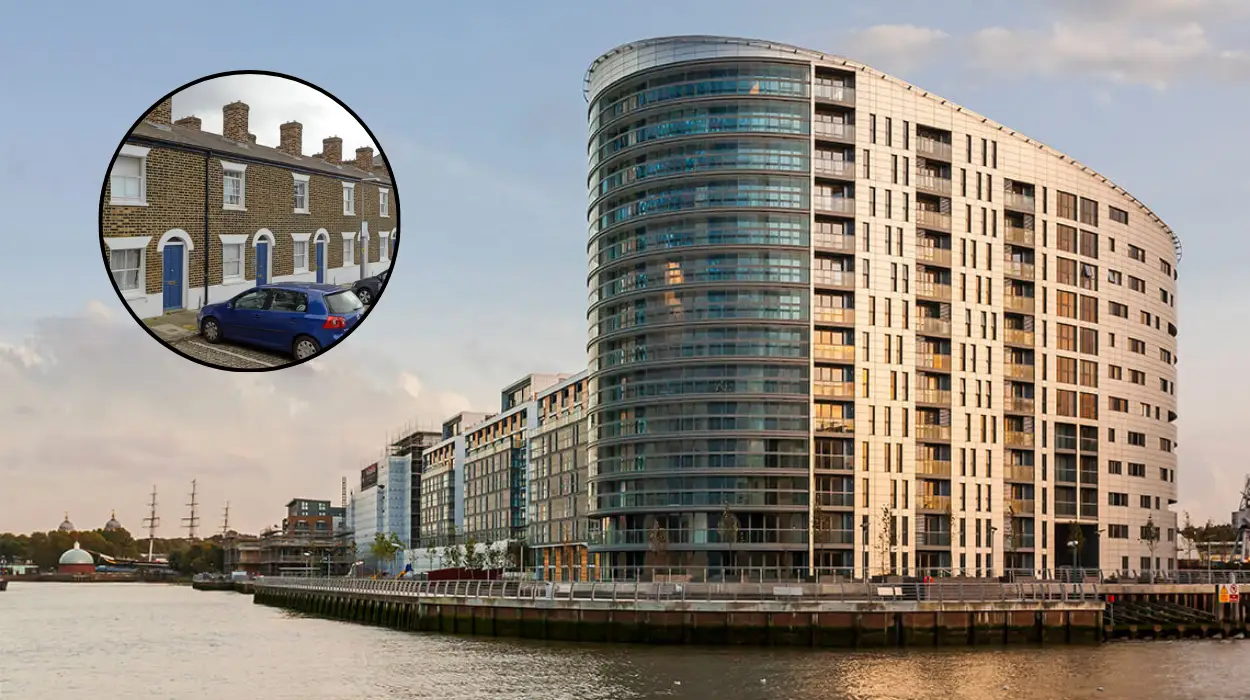
South London Greenwich homes offer a perfect blend of maritime history, elegant architecture, and modern riverside appeal. This Royal Borough attracts buyers with its period terraces, Victorian semis, and contemporary developments along the Thames. Nestled in SE10, Greenwich’s housing reflects centuries of royal legacy and naval heritage, making it a timeless choice for South London living.
Historical Roots of Greenwich Homes
Greenwich’s residential heritage traces back to the 15th century as a royal retreat for the elite. Humphrey, Duke of Gloucester, constructed Bella Court around 1433, creating London’s first royal park that influenced surrounding estates and early housing layouts. The Tudor Palace of Placentia, birthplace of Henry VIII in 1491, evolved into grand riverside properties that form the basis of today’s cherished period homes.
During the Stuart era, Inigo Jones’s Queen’s House of 1616 introduced classical villas with Thames views, setting architectural precedents for later developments. The 18th century transformed Greenwich into a fashionable resort, spawning grand houses like Vanbrugh Castle in 1717 amid emerging terraced streets. Victorian expansion added stuccoed villas and semis, with many surviving WWII intact, including clusters like Gloucester Circus from around 1791 featuring private gardens.
Iconic Architectural Styles
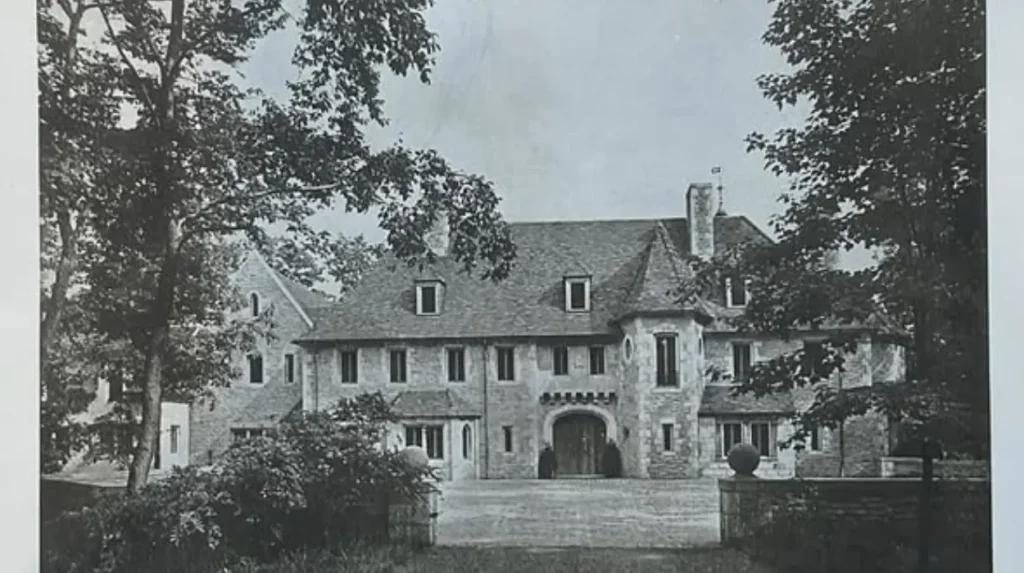
Georgian terraces define Greenwich’s aesthetic with symmetrical facades, sash windows, and high ceilings perfect for restoration. Streets near Blackheath boast 1690s brick builds refaced in Palladian style around 1730, blending eras seamlessly. These homes often retain fireplaces and period details that enhance their enduring charm.
Victorian and Edwardian properties provide spacious family layouts with bay windows and iron railings, many tied to naval history like those housing observatory staff on Ulundi Road. Stuccoed villas from the 1820s line A2 roads, offering elegance despite proximity to transport links. Modern riverside apartments and new builds draw from Queen’s House influences, incorporating sustainable features and panoramic views.
Prime Neighborhoods for Homes
Greenwich Town Centre thrives with market energy and DLR connectivity, where C18 period houses on cul-de-sacs overlook the heath. Properties around SE10 8AT from 1838 capture Cutty Sark proximity and park access, ideal for heritage enthusiasts. Maze Hill delivers secluded luxury near the observatory, featuring C17 brick homes like Nos 20-22 from the late 1600s and stuccoed pairs from 1794.
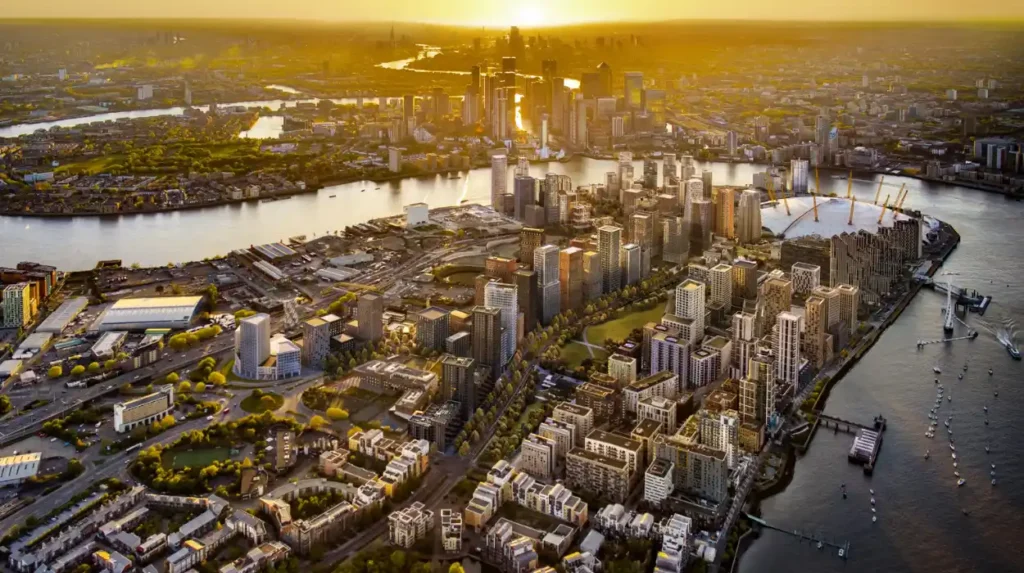
Blackheath edges provide heath walks and family appeal with 1770s stucco houses and Victorian semis around SE10 8AW. West Greenwich’s A2 villas from circa 1820 balance history with O2 convenience, suiting diverse buyers from professionals to families. Riverside spots emphasize Thames vistas via Emirates Cable Car, blending old conversions with fresh developments.
Buying and Market Insights
Average prices for Greenwich homes range from £600,000 for terraces to £1.2m, fueled by UNESCO World Heritage status and strong demand. Victorian semis start at £800k, while riverside penthouses surpass £2m, popular among City commuters via 10-minute Jubilee Line rides to London Bridge. Parkland views and maritime icons drive premiums, with council grants aiding facade preservation.
Shared ownership aids first-time buyers targeting SE10 semis, while investors note 4-5% rental yields from tourists and DLR users. Flood defenses mitigate Thames risks effectively post-1953 standards. Essential steps include Rightmove searches near SE10 8HG, subsidence surveys, and EPC upgrades for Georgians via insulation incentives.
Lifestyle Perks of Greenwich Living
Greenwich residents revel in UNESCO gems like the Royal Observatory, Painted Hall, and Clippers Quay markets, paired with Greenwich Park picnics. Thames Clippers speed to central London, while High Street independents complement Waitrose ease. Outstanding schools such as James Wolfe and Tidemill Primary, plus Queen Elizabeth Hospital, support families robustly.
Sports flourish at park athletics and Blackheath Rugby, with dining from pie & mash to The Ivy’s Michelin flair. O2 nightlife enhances tranquil walled garden evenings, and commutes shine at 15 minutes to Canary Wharf.
Renovation Tips for Period Homes
Preserve cornices, fanlights, and original features during updates to maintain heritage value. Stucco repairs, costing £5k-10k, elevate kerb appeal significantly. Blend Shaker kitchens with Georgian nods, and insulate sash windows at £3k per pair for efficiency without visual loss.
Basement conversions boost terraced home values, but consult Historic England for listed properties. Key advice covers lime plaster for breathable walls, LED lighting under ceiling roses, and smart tech concealed in joinery, alongside clay soil subsidence checks.
Ongoing regeneration, including Thamesmead Crossrail, shortens commutes further. Greenwich Peninsula pushes net-zero homes by 2030 with sustainable designs. Heritage safeguards preserve stock amid expansion, as hybrid work sustains demand for spacious properties.
Annual price growth of 5% exceeds London averages, cementing Greenwich as South London’s enduring gem blending history and modernity.