Lambeth offers a distinctive riverside cultural itinerary in South London, connecting the South Bank arts district, historic waterfront buildings, public spaces and landmarks along the River Thames. A well-planned route combines walking, exhibitions, architecture and riverside views while keeping travel time between attractions manageable. The most efficient approach is to organise the visit geographically, starting near Westminster Bridge or Waterloo and following the river towards Lambeth Bridge.
- What Is a Thames-Side Cultural Itinerary in Lambeth?
- Why Is Lambeth an Important Destination for Riverside Culture?
- Which Lambeth Cultural Landmarks Should You Include in Your Itinerary?
- How Can You Plan a One-Day Thames-Side Walking Route?
- How Does Lambeth’s History Shape Its Riverside Cultural Landmarks?
- Where Can You Experience Art, Theatre and Live Performance Along the Thames?
- Which Historic Buildings and Riverside Views Are Worth Exploring Near Lambeth Bridge?
- How Can You Include Free Cultural Activities in a Thames-Side Itinerary?
- How Should You Plan Transport and Walking Times Along the Thames?
- What Should Visitors Know About Accessibility and Weather?
- How Can You Combine Riverside Sightseeing With Food and Rest Stops?
- How Can You Adapt the Lambeth Riverside Itinerary for Different Visitors?
- When Is the Best Time to Visit Lambeth’s Thames-Side Cultural Landmarks?
- How Can You Make a Thames-Side Lambeth Itinerary More Meaningful?
What Is a Thames-Side Cultural Itinerary in Lambeth?
A Thames-side cultural itinerary in Lambeth is a planned route connecting riverside landmarks, arts venues, historic buildings and public spaces in the London Borough of Lambeth. It combines walking along the South Bank with visits to cultural attractions, including the Southbank Centre, the National Theatre and Lambeth Palace.
Lambeth is a borough in South London situated opposite central London districts along the River Thames. Its northern riverside includes part of the South Bank, a major cultural destination known for performing arts, exhibitions, public events and pedestrian routes.
A Thames-side itinerary focuses on the relationship between the river, cultural institutions and the built environment. Instead of travelling between disconnected attractions, visitors follow a continuous route that explains how London’s waterfront functions as a place for recreation, public gathering and cultural activity.
The itinerary suits first-time visitors, domestic tourists and London residents looking for a structured day out. Business travellers also benefit from shorter walking routes between Waterloo, the South Bank and nearby meeting locations.
The key planning decision is to distinguish attractions that require timed admission from outdoor landmarks that remain accessible without a ticket. This distinction determines the walking order, meal breaks and total duration.
Why Is Lambeth an Important Destination for Riverside Culture?
Lambeth is an important riverside cultural destination because its Thames frontage connects major performing arts venues, public walkways, historic architecture and views across central London. The South Bank provides a concentrated area for experiencing contemporary culture while exploring the river’s role in London’s development.
The South Bank developed into one of London’s best-known cultural areas through major investment in public institutions and arts facilities. Its modern identity reflects post-war redevelopment, the growth of cultural tourism and the expansion of pedestrian spaces along the Thames.
The area contains several institutions within walking distance of one another. The Southbank Centre brings together performance and visual arts venues. The National Theatre presents live theatre productions. Nearby public spaces provide access to riverside views and seasonal activities.
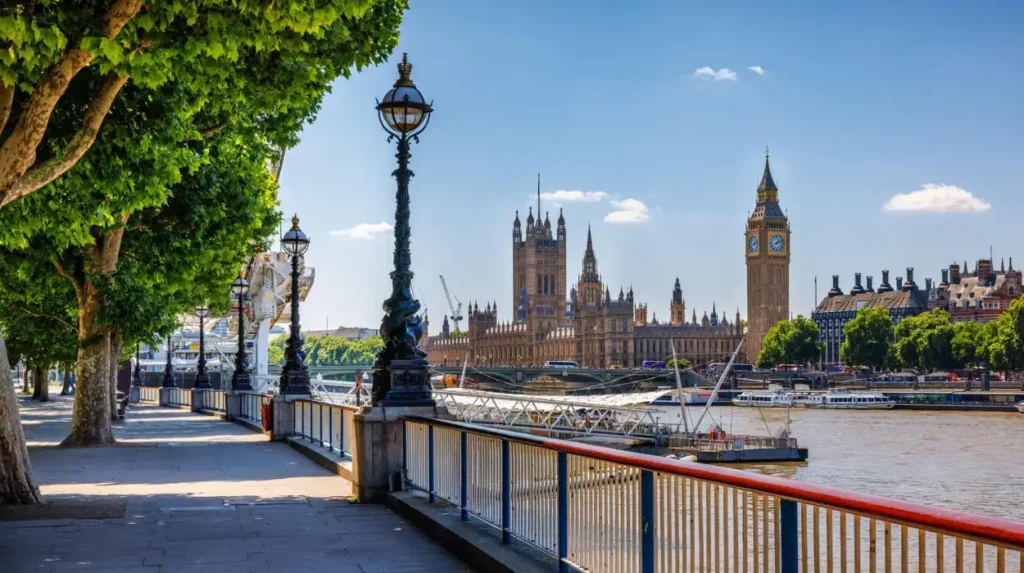
The river also establishes a geographical connection between Lambeth and historic Westminster. Looking north across the Thames reveals important landmarks outside Lambeth, including the Palace of Westminster and the Elizabeth Tower, commonly associated with Big Ben.
This location makes Lambeth suitable for an itinerary that combines cultural visits with architectural observation. Visitors experience both the institutions situated on the South Bank and the wider historic landscape visible from the waterfront.
Which Lambeth Cultural Landmarks Should You Include in Your Itinerary?
The strongest Thames-side itinerary combines the Southbank Centre, the National Theatre, the London Eye riverside area, Lambeth Palace and the historic surroundings of Lambeth Bridge. These locations offer a practical mix of performing arts, public architecture, river views and historical context.
The Southbank Centre is a natural starting point because it sits close to Waterloo Station and the pedestrian riverside route. Visitors can explore its public areas and check the programme for exhibitions or performances.
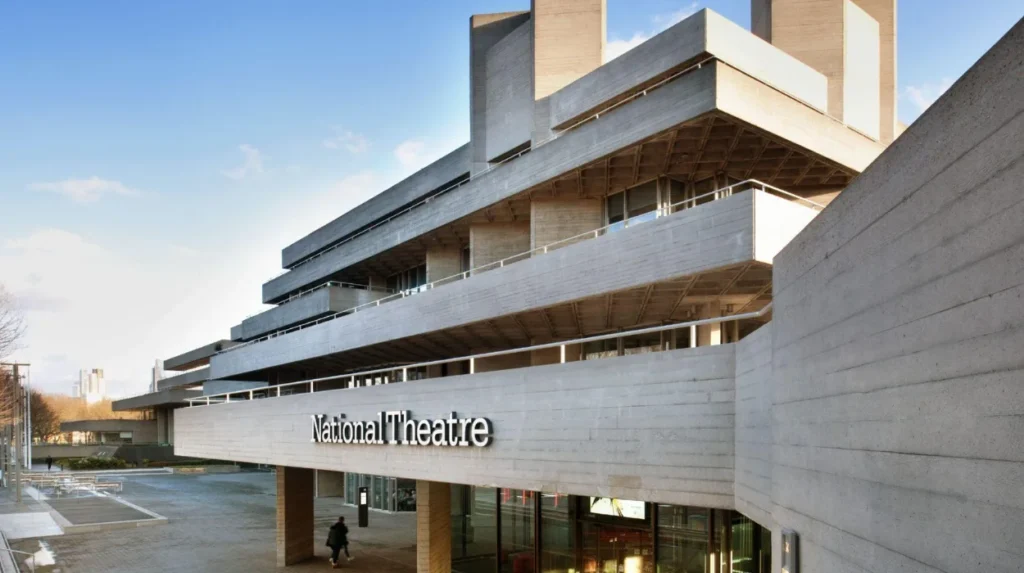
The National Theatre stands further east along the South Bank. Its concrete architecture reflects the modernist design movement and provides a different experience from the area’s older ecclesiastical buildings.
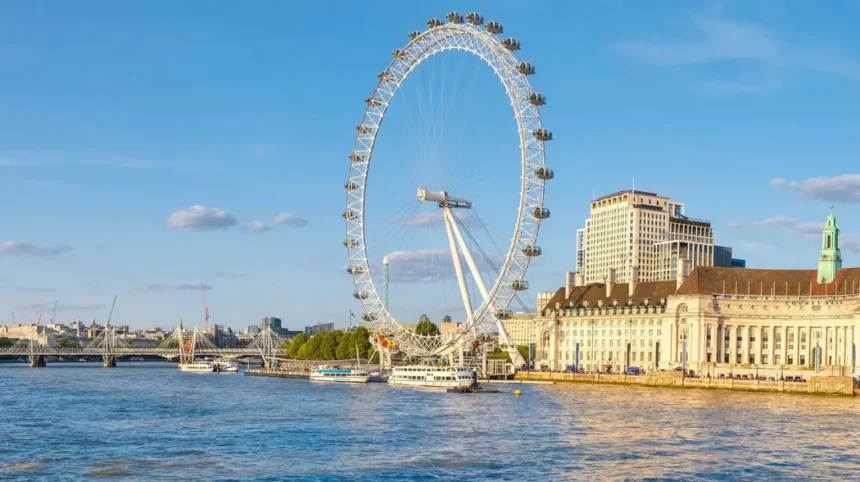
The London Eye occupies the riverside near Westminster Bridge. Although it is a major visitor attraction, it is important to distinguish the observation wheel itself from the public riverside promenade. Walking past the attraction does not require an admission ticket.
Lambeth Palace stands further downstream near Lambeth Bridge. It has served as the London residence of the Archbishops of Canterbury for centuries. Access to its historic interiors and gardens depends on the availability of organised visits and published opening arrangements.
These landmarks should not all be treated as equally accessible. Public promenades are suitable for flexible stops, whereas performances, observation-wheel rides and special palace visits require advance planning.
How Can You Plan a One-Day Thames-Side Walking Route?
A practical one-day route starts at the London Eye, continues towards the Southbank Centre and National Theatre, and finishes with the historic riverside surroundings near Lambeth Palace and Lambeth Bridge. Allow six to eight hours for walking, cultural visits, meals and scheduled activities.
The route works best when visitors separate outdoor sightseeing from activities requiring advance booking. The London Eye and Southbank Centre provide convenient starting points, while the National Theatre offers a suitable stop for architecture and theatre enthusiasts.
These times are planning estimates rather than published attraction schedules. The itinerary needs adjustment when a performance, exhibition or ticketed visit has a fixed entry time.
The London Eye is next to County Hall on Westminster Bridge Road. Waterloo is its nearest Underground station, approximately five minutes away on foot according to the attraction’s official visitor information.
Visitors should check the official Southbank Centre programme before setting the final route. The centre hosts changing exhibitions, performances, festivals and free events, so the cultural opportunities depend on the visit date.
How Does Lambeth’s History Shape Its Riverside Cultural Landmarks?
Lambeth’s riverside heritage reflects centuries of religious activity, transport, urban development and cultural investment. Lambeth Palace represents its medieval ecclesiastical history, while the South Bank’s major arts institutions demonstrate the area’s later transformation into a centre for public culture.
The River Thames historically connected settlements, markets, religious institutions and government in London. Its banks supported movement and trade, while bridges gradually strengthened connections between communities on opposite sides of the river.
Lambeth Palace is a particularly important historic landmark. It has been the London home of the Archbishop of Canterbury for more than 800 years and continues to function as a working religious and administrative centre. Its historic buildings include spaces associated with different periods of construction and use.
The South Bank represents a different stage in the development of Lambeth’s cultural identity. The Festival of Britain in 1951 helped establish a lasting cultural presence in the area. The Royal Festival Hall opened that year and became a central component of the Southbank Centre.
The National Theatre later strengthened the South Bank’s reputation as a destination for performing arts. Its modernist concrete architecture provides a visible contrast with Lambeth Palace’s older brickwork and ecclesiastical design.
This contrast gives visitors a useful framework for interpreting the area. The historic waterfront reveals the long relationship between the river and religious life, while the modern cultural quarter demonstrates how public institutions shape urban identity.
As you explore the modern riverside, you are also crossing a landscape shaped by centuries of change. Read the full to understand the area’s development from its historic roots to its contemporary cultural identity.
The historical perspective adds context to architectural sightseeing. Buildings become evidence of different periods of London’s development rather than isolated photo stops.
Where Can You Experience Art, Theatre and Live Performance Along the Thames?
The Southbank Centre and National Theatre provide the principal cultural venues for a Thames-side itinerary in Lambeth. Visitors can plan around concerts, theatre productions, contemporary art exhibitions, literary events and public installations, with the programme varying by date and venue.
The Southbank Centre is one of the UK’s major arts centres. Its venues include the Royal Festival Hall, Queen Elizabeth Hall, Purcell Room and Hayward Gallery. Together, these spaces support music, dance, performance, talks and visual arts.
The Hayward Gallery is particularly relevant to visitors interested in contemporary visual art. Its exhibitions change throughout the year, so checking the current programme helps determine whether an extended visit fits the itinerary.
The National Theatre focuses on live performance. Visitors attending a production should plan the remainder of the day around the show’s start time and duration. Those without theatre tickets can still appreciate the building’s architecture and explore publicly accessible areas when open.
The best cultural itinerary does not require a ticket at every stop. Combining a paid exhibition or performance with free public spaces creates a flexible balance between scheduled activities and spontaneous exploration.
For an evening visit, choose the performance first and arrange dinner and riverside sightseeing around it. For a daytime visit, prioritise exhibitions and talks with limited opening windows.
Which Historic Buildings and Riverside Views Are Worth Exploring Near Lambeth Bridge?
Lambeth Bridge, Lambeth Palace and the surrounding Thames waterfront provide useful stops for visitors interested in historic architecture and views across central London. The area combines a historic ecclesiastical site, river engineering and sightlines towards Westminster’s prominent government buildings.
Lambeth Bridge connects Lambeth on the south bank with Westminster on the north bank. Its position makes it a useful landmark for understanding the relationship between the two sides of the Thames.
Lambeth Palace stands close to the bridge. The palace is not a conventional walk-in museum, because it remains a working residence and institution. Public access depends on organised tours, open days and other published arrangements. The official website provides current visitor information.
The surrounding riverside offers views towards the Palace of Westminster and other prominent central London buildings. Visitors can use these viewpoints to observe differences in architectural style, riverfront development and the use of public space.
Photography works particularly well when the weather is clear and visibility is good. A wide-angle composition can include the river, bridges and skyline, while architectural details become easier to capture from closer viewpoints.
Keep the itinerary flexible around palace access. If no public visit is scheduled, focus on the exterior surroundings and continue along the public riverside route instead of expecting entry.
How Can You Include Free Cultural Activities in a Thames-Side Itinerary?
Free cultural activities help visitors experience Lambeth’s riverside without purchasing admission to every attraction. Public walkways, outdoor installations, selected arts-centre events and architectural sightseeing provide practical options for travellers managing a limited budget or planning a flexible day.
The South Bank combines ticketed venues with publicly accessible spaces. Visitors can walk along the Thames, view historic bridges, explore the exterior of cultural buildings and look for free exhibitions or performances listed in current programmes.
The Southbank Centre publishes information about free events alongside its ticketed programme. These activities change throughout the year and include selected exhibitions, installations, talks and public events. Check event descriptions for entry requirements and any booking conditions.
The London Eye also provides a riverside experience without requiring visitors to purchase a ride. The promenade gives views of the observation wheel, County Hall, Westminster Bridge and the opposite bank of the Thames.
Free sightseeing does not mean every nearby facility is free. Food, drinks, special exhibitions, guided tours and performances carry separate costs where applicable.
A balanced itinerary allocates money to one priority experience and leaves the remaining time for walking, architecture and free cultural activities. This approach also reduces the pressure to fit too many paid attractions into one day.
How Should You Plan Transport and Walking Times Along the Thames?
Walking is the most practical way to explore the South Bank’s closely grouped cultural landmarks. Waterloo provides a major transport connection, while nearby Underground stations, bus stops and river services offer alternatives for visitors who need to shorten walking distances or change their route.
Waterloo is a convenient arrival point for the South Bank and the London Eye. Southwark Underground station also serves the area, while Westminster and Embankment provide access from the opposite side of the Thames.
The pedestrian route follows the river through a mixture of paved walkways, public spaces and approaches to bridges. Walking makes it easier to stop for photographs, inspect buildings and adjust the itinerary when an exhibition or event attracts interest.
Transport for London’s Journey Planner helps visitors compare routes and check service updates. It also supports journey planning based on walking distance, step-free access and preferred transport modes.
Before travelling, check the following practical details:
- Station access: Confirm lift availability and step-free routes where required.
- Walking distance: Allow extra time for photography, queues, food stops and crowded pedestrian areas.
- River services: Check current pier locations, sailing times and fares before including a boat journey.
- Return travel: Identify the nearest suitable station to the final landmark rather than automatically returning to the starting point.
Walking times depend on the route, crowd levels and individual pace. A compact route between the main South Bank attractions is more suitable for a short visit than a full excursion extending to additional districts.
What Should Visitors Know About Accessibility and Weather?
An accessible Thames-side itinerary requires advance checks of walking surfaces, venue entrances, station facilities and available seating. The South Bank has pedestrian routes, but individual attractions and transport connections have different accessibility arrangements that visitors should verify before travelling.
The South Bank’s riverside walkways are generally suitable for pedestrian sightseeing. However, a continuous riverside route does not guarantee that every entrance, bridge approach, venue or nearby station provides step-free access.
Transport for London’s accessibility guidance helps visitors plan journeys around lifts, ramps and routes that avoid stairs. It also provides service information for checking disruptions before departure.
Visitors with limited mobility should check the facilities at each cultural venue independently. The official Lambeth Palace visitor information states that step-free access is available to most areas, with further details available for specific requirements.
Weather also influences the route. Rain increases the value of indoor attractions such as galleries, performances and covered public areas. In warmer weather, outdoor walking and riverside photography become more comfortable, although exposed sections offer limited shelter.
A practical itinerary includes a flexible indoor stop, rest breaks and enough time to move between venues without rushing. Visitors travelling with children or older relatives should also identify toilets, cafés and suitable places to sit.
How Can You Combine Riverside Sightseeing With Food and Rest Stops?
Food and rest stops work best when they sit between major cultural visits rather than requiring long detours. The South Bank provides cafés, restaurants and informal places to pause, allowing visitors to combine a riverside walk with lunch, refreshments or an early evening meal.
The most convenient strategy is to schedule lunch near the Southbank Centre or National Theatre. This keeps the itinerary within the same general area and avoids unnecessary journeys away from the river.
Choose the length of the meal according to the day’s main activity. A quick lunch suits visitors with an afternoon performance, while a longer break works for travellers concentrating on architecture and outdoor sightseeing.
Check restaurant opening times and menus before arrival when a particular venue is important to the plan. During major performances, festivals and busy tourist periods, popular places become crowded, so allow additional time.
For a quieter experience, take a break between the main attractions rather than immediately before a scheduled show. This gives visitors more flexibility if queues, event entry or walking conditions affect the timetable.
Digital nomads and business travellers can also use a café break to check messages or organise the next stop. However, visitors should verify Wi-Fi availability, seating policies and charging facilities rather than assuming every venue functions as a coworking space.
How Can You Adapt the Lambeth Riverside Itinerary for Different Visitors?
The best Lambeth riverside itinerary depends on the time available, interests and walking requirements of each visitor. First-time tourists benefit from major landmarks, art enthusiasts prioritise exhibitions, and business travellers gain more flexibility by selecting a compact route around fixed appointments.
A first-time visitor should focus on the London Eye, Southbank Centre and National Theatre, with time for views across the Thames. These stops provide a clear introduction to the area’s cultural and architectural identity.
Art enthusiasts should check the Hayward Gallery programme and Southbank Centre events before choosing a date. A major exhibition or performance can become the day’s main activity, with riverside sightseeing arranged around the booking.
History enthusiasts should prioritise Lambeth Palace’s exterior and the surroundings of Lambeth Bridge. Those wanting a deeper understanding of local history can consult Lambeth Archives, the borough’s record office and local studies library. Its collections include historical maps, photographs, documents and records relating to Lambeth’s development. The archives are located at 16 Brixton Hill, away from the immediate riverside itinerary, so they are better treated as a separate visit.
Business travellers with only two or three hours should select two nearby stops rather than attempt the entire route. The Southbank Centre and National Theatre offer a practical pairing, especially when a meeting or train departure limits available time.
Families should build in regular breaks and choose attractions suitable for their children’s ages. A combination of outdoor sightseeing and one indoor activity reduces the need to keep everyone moving continuously.
Explore More Area Guide
Top 10 South East London Private School Rankings 2026
Where to Spend Several Hours Around South Bank, London
When Is the Best Time to Visit Lambeth’s Thames-Side Cultural Landmarks?
The best time to visit depends on whether the priority is outdoor sightseeing, exhibitions or live performance. Daylight hours suit architectural walks and riverside photography, while evenings provide opportunities to attend theatre productions, concerts and other scheduled cultural events.
Spring and summer offer longer daylight hours for exploring the riverfront. These seasons are useful for visitors who want to combine outdoor sightseeing with an exhibition or a meal on the South Bank.
Autumn and winter remain suitable for cultural visits because galleries and theatres provide indoor activities. Shorter days make it important to check sunset times when planning photographs or a lengthy outdoor walk.
Event calendars often determine the most suitable date. The Southbank Centre publishes its programme online, while the National Theatre lists its productions and visitor information. Check both before booking transport or accommodation.
The London Eye’s operating hours also vary by date and season. Confirm the published schedule before building a ride into the itinerary.
For the most flexible day, book essential ticketed activities first and arrange the outdoor route around them. This approach keeps the itinerary practical even when opening hours or event schedules change.
How Can You Make a Thames-Side Lambeth Itinerary More Meaningful?
A meaningful Lambeth itinerary connects cultural experiences with the history, architecture and geography of the Thames. Visitors gain a fuller understanding of the borough by combining major arts venues with historic waterfront landmarks, public spaces and views across the river.
The key is to treat the river as the organising feature of the visit. The Thames links the contemporary cultural institutions of the South Bank with Lambeth Palace’s long religious history and the civic landmarks of Westminster across the water.
A carefully selected route also avoids the common mistake of planning too many attractions in one day. Each venue requires time for entry, exploration and movement to the next stop. Prioritising a few locations creates a more manageable experience.
Before departure, confirm event schedules, admission requirements, transport updates and accessibility arrangements. Keep time available for outdoor views and unplanned stops, especially when public installations or cultural events are taking place.
Lambeth’s riverside remains relevant to visitors because it brings together performance, visual arts, history and public space within a connected part of South London. With a clear route and realistic timing, travellers can experience these different aspects in one well-organised day.
What are the main cultural landmarks to visit along Lambeth’s riverside?
The main cultural landmarks include the Southbank Centre, National Theatre, London Eye riverside area, Lambeth Palace and Lambeth Bridge. These attractions combine performing arts, contemporary culture, historic architecture and views across the River Thames.