South London boasts a rich architectural heritage that reflects its evolution from medieval times through Tudor, Victorian, to modern periods. The buildings in South London encompass a diverse range of styles, and many structures are notable for their historical and cultural significance.
Historical Context of South London Buildings
South London’s architectural story is intertwined with its social and economic development. Historically, the area grew from rural estates and farmland into towns and urban neighborhoods shaped by industrialization, transportation improvements, and population growth. Many older buildings date back to Tudor times, featuring classic brickwork and timber framing typical of the era. Over time, especially after the Great Fire of London in 1666, architectural styles evolved across London, including South London, blending medieval Gothic, Renaissance, and Georgian influences.
South London also includes remnants of important historical buildings such as parts of Lambeth Palace and medieval churches, showing its longstanding role as a center of religious and royal significance. The area witnessed substantial Victorian building activity, especially in neighborhoods like South Kensington, with iconic structures such as the Victorian Gothic-style Natural History Museum and adjacent institutions established during Queen Victoria’s reign. These Victorian buildings are marked by ornate detailing, terracotta tiles, and grand facades. South London’s building heritage thus reveals layers of history that characterize London’s broader architectural eclecticism.
Architectural Styles and Notable Buildings
South London displays a rich mix of architectural styles from different periods:
- Medieval and Tudor: Early buildings include timber-framed houses and brick structures dating to the 15th and 16th centuries. These buildings often feature gabled roofs, leaded windows, and decorative timber elements.
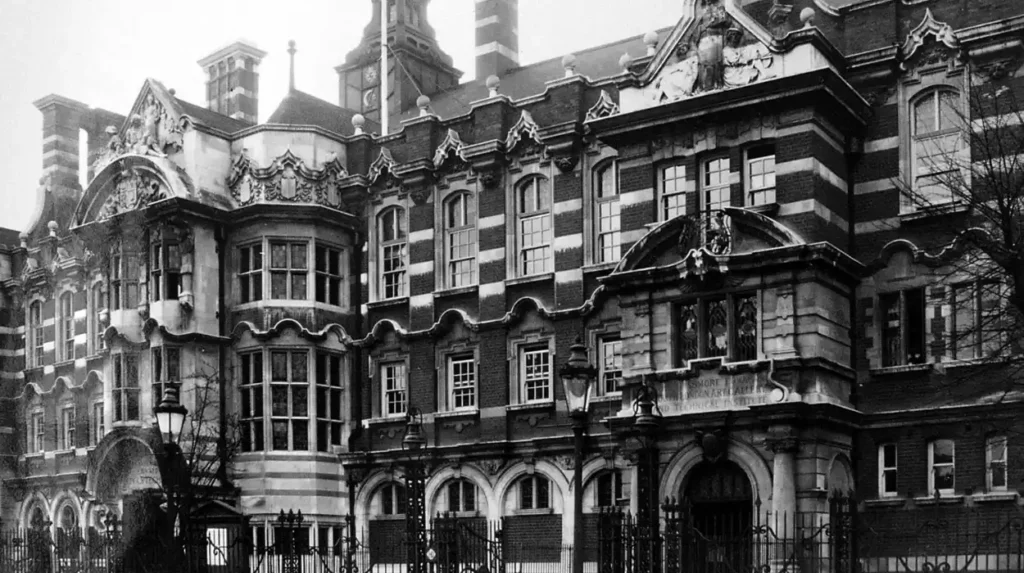
- Victorian and Edwardian: This era brought expansive urbanization with terraced housing, civic buildings, and cultural institutions. Noteworthy are the Romanesque Revival and Victorian Gothic styles seen in institutions like the Natural History Museum and the Royal Albert Hall.
- Modern and Mid-century: Post-World War II development introduced modernist and mid-century architectural projects aimed at addressing housing shortages. South London saw significant council housing and planned estates reflecting post-war social policies.
Notable buildings in South London include Lambeth Palace, the official London residence of the Archbishop of Canterbury; the South London Gallery, an important cultural landmark established in the 19th century; and various mid-century modern estates designed as part of urban renewal efforts. The Dulwich Estate and its architecture showcase how development has been moderated to preserve historic character while integrating modern needs.
Development Trends and Urban Planning
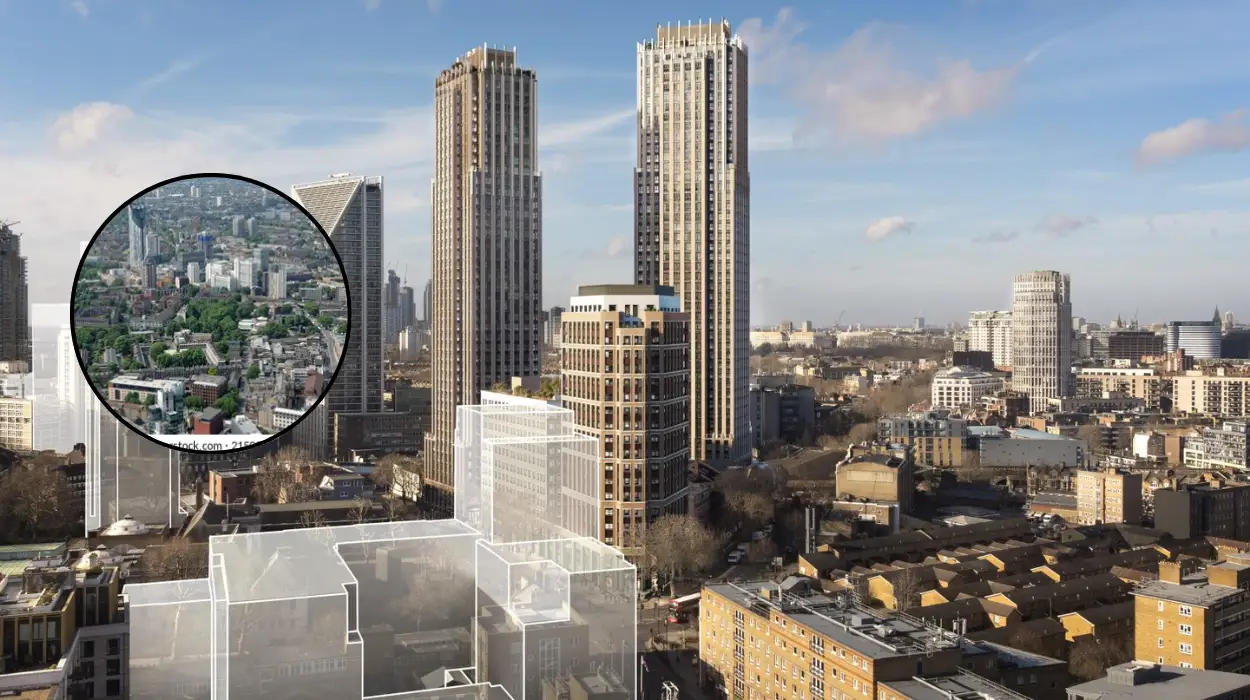
Development in South London has historically been shaped by both private interests and public policy, especially council housing initiatives following World War II. These trends have influenced the scale, density, and character of residential neighborhoods versus commercial or cultural districts. Recent years have seen a combination of preservation efforts and new-build projects aiming to meet housing demand while respecting the area’s unique heritage.
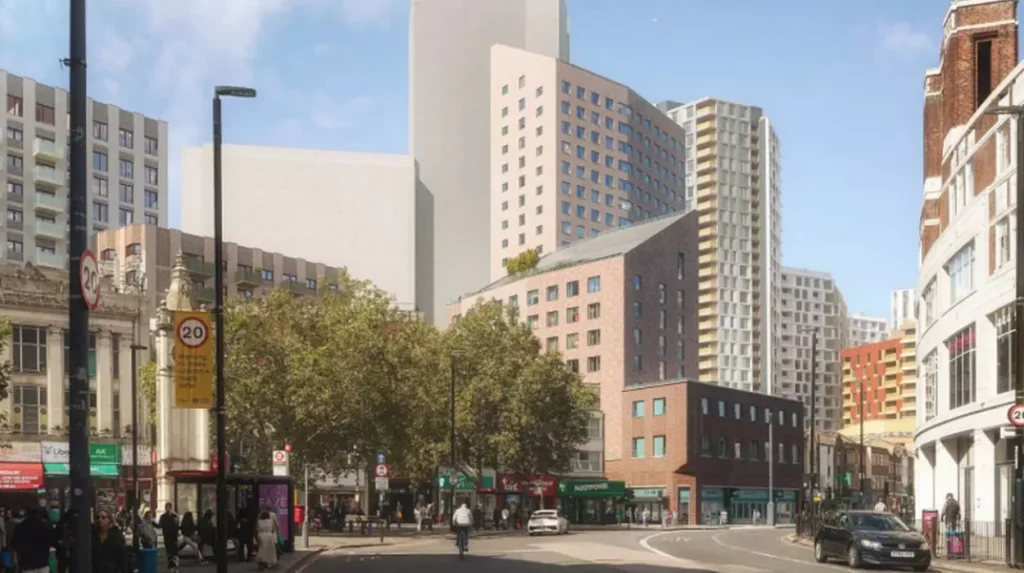
Gentrification and regeneration have altered the urban fabric in parts of South London, leading to increased investment in historic buildings, as well as new contemporary architecture that complements older structures. Urban parks, green spaces, and the integration of walkable amenities continue to influence building designs and neighborhood planning, maintaining a balance between growth and sustainability.
Preservation and Cultural Significance
Preserving South London’s architectural heritage is crucial to maintaining its identity. Conservation areas, listed buildings, and heritage organizations play essential roles in protecting significant structures from demolition or insensitive remodeling. This preservation work educates the public about South London’s unique history and fosters community pride.
Cultural sites tied to the area’s architectural heritage include museums, galleries, churches, and historic homes. Together, they attract tourism and serve as active reminders of the past within a dynamic urban environment. Efforts to adapt historic buildings for modern use demonstrate how South London continues to evolve while honoring its architectural legacy.